của Meg S | 15 tháng 7 năm 2026
Một khoản đầu tư của cộng đồng vào sự công bằng, sự ổn định và cơ hội
Xung đột là một phần tất yếu trong mọi môi trường làm việc, nhưng nếu không được giải quyết, nó có thể làm suy giảm tinh thần làm việc, năng suất, sự hợp tác và lòng tin. Những tác động này không chỉ giới hạn trong môi trường làm việc mà còn lan rộng ra ngoài, ảnh hưởng đến nhân viên, người sử dụng lao động, gia đình và cộng đồng thông qua việc sụt giảm năng suất, tỷ lệ nhân viên nghỉ việc, chi phí tài chính và các mối quan hệ bị rạn nứt.
Hòa giải tại nơi làm việc mang đến một phương thức tự nguyện, bảo mật và chi phí hợp lý để người lao động và tổ chức giải quyết xung đột với sự hỗ trợ của một chuyên gia trung lập và đáng tin cậy. Quá trình hòa giải nhạy bén về văn hóa thừa nhận rằng văn hóa, bản sắc, phong cách giao tiếp và trải nghiệm thực tế của mỗi người đều ảnh hưởng đến cách họ đối mặt với xung đột. Bằng cách tạo ra một không gian tôn trọng và bao trùm, nơi mọi tiếng nói đều được lắng nghe, hòa giải giúp xây dựng sự thấu hiểu, củng cố mối quan hệ và giải quyết tranh chấp trước khi chúng leo thang.
Hầu hết nhân viên làm việc toàn thời gian dành nhiều thời gian hơn trong các ngày làm việc trong tuần để ở bên đồng nghiệp so với gia đình của họ. Một môi trường làm việc lành mạnh và hòa nhập không chỉ là một đặc quyền — đó là yếu tố thiết yếu đối với hạnh phúc của nhân viên, thành công của tổ chức và sự phát triển của cộng đồng.
KCDRC cung cấp dịch vụ hòa giải tại nơi làm việc trên toàn Hạt King, giúp đồng nghiệp, các nhóm và tổ chức giải quyết các tranh chấp phức tạp, cải thiện giao tiếp và tìm ra các giải pháp thiết thực. Thông qua một quy trình an toàn và có hệ thống, hòa giải giúp khôi phục lòng tin, củng cố sự hợp tác và góp phần xây dựng môi trường làm việc lành mạnh hơn.
Một vài nhận xét từ các hòa giải viên của chúng tôi
Hai người hòa giải, tác động lớn hơn:
Hình thức hòa giải chung mang lại giá trị gia tăng cho quá trình hòa giải. Thông qua các dịch vụ hòa giải cộng đồng của KCDRC, chúng tôi có thể tiến hành hòa giải chung cho nhiều tranh chấp, bao gồm cả những xung đột phức tạp tại nơi làm việc có sự tham gia của nhiều bên.
Việc có hai hòa giải viên đồng nghĩa với việc có thêm nhiều góc nhìn, sự lắng nghe sâu sắc hơn và sự thấu hiểu rõ ràng hơn về những lo ngại và mục tiêu của mỗi bên. Trước mỗi phiên hòa giải, chúng tôi có thể so sánh các quan sát, lên kế hoạch chiến lược và chuẩn bị để đối phó với những thách thức. Trong quá trình hòa giải, một hòa giải viên có thể dẫn dắt cuộc trò chuyện trong khi người còn lại quan sát diễn biến, nhận ra những tín hiệu quan trọng và giúp duy trì tính hiệu quả của cuộc thảo luận.
Hình thức đồng hòa giải cũng góp phần giúp các thỏa thuận trở nên rõ ràng hơn bằng cách cho phép chúng ta tập trung vào cả cuộc đối thoại lẫn các chi tiết cụ thể của giải pháp. Điều quan trọng không kém là, nó mang lại cho chúng ta cơ hội để suy ngẫm, học hỏi lẫn nhau và không ngừng hoàn thiện phương pháp làm việc của mình.
Trong các vụ tranh chấp phức tạp, chúng tôi nhận thấy rằng hình thức đồng hòa giải giúp củng cố cả quá trình lẫn kết quả. Hãy liên hệ tại đây để tìm hiểu về giải pháp.
Bắt đầu từ những giá trị của chúng ta:
Một câu hỏi đơn giản có thể mở ra cánh cửa cho những cuộc trò chuyện ý nghĩa: “Hãy kể cho tôi nghe về nơi làm việc mà bạn yêu thích nhất.”
Các câu trả lời hiếm khi đề cập đến chức danh hay mức lương. Mọi người thường kể về những môi trường làm việc nơi họ cảm thấy được tôn trọng, tin tưởng, hỗ trợ và gắn kết. Họ nhớ đến tinh thần làm việc nhóm, sự giao tiếp cởi mở, những tràng cười và mục tiêu chung.
Những câu chuyện này thường bộc lộ những điểm chung, ngay cả giữa những người đang có mâu thuẫn. Bằng cách tập trung vào những giá trị chung như sự tin tưởng, sự công bằng và cảm giác thuộc về, các nhóm có thể vượt ra ngoài việc giải quyết vấn đề và bắt đầu xây dựng môi trường làm việc mà họ mong muốn được là một phần của nó.
Nhu cầu là rất lớn: Năm số liệu về chi phí của xung đột tại nơi làm việc
1. Xung đột gây ra hàng tỷ USD chi phí ẩn. Nhân viên tại Mỹ mất 2,8 giờ mỗi tuần để giải quyết xung đột — tương đương 359 tỷ USD tiền lương hàng năm, hoặc 385 triệu ngày làm việc bị mất. Con số này được ghi nhận từ năm 2008; con số hiện nay chắc chắn còn cao hơn. (Báo cáo Nguồn nhân lực Toàn cầu của CPP, 2008)
2. Các tổ chức quy mô nhỏ chịu tác động nặng nề nhất: Đối với các doanh nghiệp nhỏ, tổ chức phi lợi nhuận và tổ chức cộng đồng, chi phí do xung đột chưa được giải quyết có thể gây ra tác động đặc biệt nghiêm trọng.
- Xung đột tại nơi làm việc góp phần dẫn đến:
- Tỷ lệ thay đổi nhân sự và những thách thức trong tuyển dụng
-
- Sụt giảm năng suất và suy giảm tinh thần làm việc
-
- Mối quan hệ căng thẳng giữa nhân viên và ban lãnh đạo
-
- Tăng nguy cơ xảy ra các tranh chấp pháp lý tốn kém
- Các nghiên cứu cho thấy:
- 51% nhân viên đã từng cân nhắc việc nghỉ việc do mâu thuẫn tại nơi làm việc
-
- 41% đã nghỉ việc vì mâu thuẫn
-
- Việc thay thế một nhân viên có thể tốn 50–200% mức lương hàng năm của họ
Nguồn: Tổng hợp các nghiên cứu về xung đột tại nơi làm việc (2026); Nghiên cứu của SHRM về tỷ lệ nghỉ việc và chi phí tuyển dụng trên mỗi nhân viên. theo báo cáo của Allen & Unger (2025).
3. Nhiều tổ chức cần sự hỗ trợ: Hầu hết các nơi làm việc đều mong muốn giải quyết xung đột một cách hiệu quả — nhưng nhiều nơi lại thiếu nguồn lực và chuyên môn để làm điều đó.
- 72% các tổ chức chưa có chính sách giải quyết xung đột chính thức
- 98% nhân viên nhận thức được tầm quan trọng của khóa đào tạo về giải quyết xung đột
- Chỉ có 27% số nhà quản lý được đánh giá là có kỹ năng cao trong việc giải quyết xung đột
Một trung tâm giải quyết tranh chấp phi lợi nhuận lấp đầy khoảng trống quan trọng này bằng cách cung cấp các dịch vụ trung lập và dễ tiếp cận mà nhiều tổ chức không thể tự xây dựng bên trong tổ chức của mình.
Nguồn: Tổng hợp số liệu thống kê về xung đột tại nơi làm việc (2026); Nghiên cứu về xung đột của Công ty Myers-Briggs.
4. Hòa giải mang lại kết quả tốt hơn: Hòa giải giúp mọi người giải quyết xung đột một cách trực tiếp, tôn trọng lẫn nhau và hợp tác.
- Hòa giải mang lại kết quả và xây dựng lòng tin.
- 71,2% các vụ khiếu nại về phân biệt đối xử tại nơi làm việc do EEOC làm trung gian hòa giải đã được giải quyết trong năm tài chính 2024
-
- Gần một nửa số thỏa thuận đạt được thông qua hòa giải bao gồm các giải pháp ngoài việc bồi thường tài chính, chẳng hạn như đào tạo, cải thiện chính sách hoặc phục hồi chức vụ
-
- 96% số người tham gia cho biết họ sẽ sử dụng phương pháp hòa giải một lần nữa
-
- 98,6% các nhà tuyển dụng sẽ sử dụng dịch vụ hòa giải một lần nữa
Hòa giải giúp duy trì các mối quan hệ, khuyến khích tinh thần chịu trách nhiệm và đưa ra các giải pháp mà thủ tục tố tụng thường không thể mang lại.
Nguồn: Dữ liệu năm tài chính 2024 của Ủy ban Cơ hội Việc làm Bình đẳng Hoa Kỳ (EEOC); Báo cáo đánh giá chương trình hòa giải của EEOC (2023).
5. Các vụ kiện tụng tiêu tốn thời gian và tiền bạc. Chi phí trung bình cho mỗi vụ khiếu nại lao động là 160.000 USD và kéo dài trung bình 318 ngày. Hầu hết các phiên hòa giải tại nơi làm việc được giải quyết trong một phiên kéo dài 3–4 giờ — giúp doanh nghiệp duy trì khả năng thanh toán, nhân viên tiếp tục làm việc và tránh đưa vụ việc ra tòa. (Hướng dẫn của Hiscox về các vụ kiện của người lao động; dữ liệu của EEOC).
Tóm lại:
Hòa giải tại nơi làm việc tạo ra tác động lâu dài bằng cách biến xung đột thành cơ hội để thấu hiểu, hợp tác và tạo ra những thay đổi tích cực. Bằng cách mang đến một giải pháp thay thế nhanh chóng, tiết kiệm chi phí và hiệu quả hơn so với các phương thức giải quyết tranh chấp truyền thống, hòa giải giúp mọi người tìm ra những giải pháp nhằm củng cố mối quan hệ và khôi phục lòng tin.
Những lợi ích này vượt xa phạm vi các xung đột cá nhân. Hoạt động hòa giải góp phần xây dựng môi trường làm việc lành mạnh hơn, hỗ trợ các tổ chức có khả năng thích ứng cao hơn, đồng thời giúp tạo dựng một Hạt King vững mạnh và gắn kết hơn. Bằng cách đầu tư vào đối thoại mang tính xây dựng và giải quyết công bằng, chúng tôi hỗ trợ các nhà tuyển dụng, người lao động và các đối tác cộng đồng – những người mà nhờ nỗ lực chung đã góp phần giúp cộng đồng của chúng ta phát triển thịnh vượng.
Tìm hiểu về độ phân giải
Bài viết này ban đầu được đăng trên bản tin hàng tháng của chúng tôi; hãy đăng ký tại đây.
của Meg S | 18 tháng 3 năm 2026
Mọi mối quan hệ đều gặp phải những mâu thuẫn. Người bạn cùng phòng để bát đĩa bẩn trong bồn rửa, người bạn đời có cách quản lý tiền bạc khác mình, hay người bạn hủy kế hoạch vào phút chót. Xung đột là một phần không thể tách rời trong các mối quan hệ giữa con người. Điều phân biệt những mối quan hệ bền vững với những mối quan hệ dễ rạn nứt thường không phải là việc xung đột có xảy ra hay không, mà là cách mọi người xử lý nó. Đó chính là lúc việc hiểu rõ các phong cách giải quyết xung đột trở nên quan trọng.
Phong cách giải quyết xung đột là gì?
Phong cách ứng xử khi xung đột là những thói quen mà chúng ta thường rơi vào khi xảy ra bất đồng. Hãy coi đó là chế độ hoạt động mặc định của bạn khi phải đối mặt với áp lực. Một số người lao vào giải quyết ngay lập tức, mong muốn làm rõ vấn đề một cách nhanh chóng. Một số khác lại lùi bước, hy vọng vấn đề sẽ tự giải quyết. Cả hai cách tiếp cận này đều không sai về bản chất, nhưng vấn đề nảy sinh khi phong cách của bạn mâu thuẫn với phong cách của người khác, hoặc khi bạn áp dụng cùng một cách tiếp cận cho mọi tình huống mà không xem xét bối cảnh cụ thể.
Khung lý thuyết được sử dụng rộng rãi nhất để phân tích các kiểu tính cách trong xung đột xuất phát từ mô hình Thomas-Kilmann, mô hình này phân loại các phong cách theo hai trục: mức độ quyết đoán (mức độ bạn ưu tiên nhu cầu của bản thân) và mức độ hợp tác (mức độ bạn ưu tiên nhu cầu của người khác). Điều này tạo ra năm phong cách riêng biệt.
Năm phong cách giải quyết xung đột
Cạnh tranh
Mức độ quyết đoán cao, mức độ hợp tác thấp.
- Các đối thủ cạnh tranh coi xung đột như một trò chơi có tổng bằng không. Họ kiên quyết bảo vệ quan điểm của mình, đôi khi bất chấp việc làm tổn hại đến mối quan hệ. Phong cách này có thể hiệu quả trong các tình huống khẩn cấp hoặc khi bạn cần giữ vững lập trường về một giá trị không thể thương lượng, nhưng nếu lạm dụng, nó có thể khiến người khác cảm thấy bị áp đảo.
Tránh
Mức độ quyết đoán thấp, mức độ hợp tác thấp.
- Những người có xu hướng né tránh sẽ hoàn toàn tránh xa xung đột. Họ chuyển sang chủ đề khác, rời khỏi phòng, hoặc để các vấn đề âm ỉ mãi không giải quyết. Đôi khi việc né tránh là một chiến lược, bởi không phải vấn đề nào cũng đáng để tranh cãi đến cùng. Tuy nhiên, việc né tránh kéo dài sẽ khiến sự oán giận tích tụ và cản trở việc giải quyết triệt để.
Thích ứng
Mức độ quyết đoán thấp, mức độ hợp tác cao.
- Những người có tính cách “chịu nhượng” luôn đặt sự hòa hợp và hạnh phúc của người khác lên hàng đầu, thường phải hy sinh nhu cầu của bản thân. Họ rất giỏi trong việc xoa dịu tình hình, nhưng việc liên tục hy sinh bản thân có thể gây ra sự oán giận và làm xói mòn lòng tự trọng.
Thỏa hiệp
Mức độ quyết đoán vừa phải, mức độ hợp tác vừa phải.
- Những người biết thỏa hiệp tìm kiếm điểm cân bằng, nơi mỗi bên đều nhượng bộ một chút. Cách tiếp cận này thực tế và hiệu quả, nên rất hữu ích cho những quyết định không mang tính sống còn. Nhược điểm là gì? Cả hai bên có thể chỉ cảm thấy hài lòng một phần, và những vấn đề cốt lõi có thể vẫn chưa được giải quyết.
Hợp tác
Mức độ quyết đoán cao, mức độ hợp tác cao.
- Các bên hợp tác cùng nhau đi sâu vào mâu thuẫn, tìm kiếm một giải pháp giải quyết triệt để những lo ngại của cả hai bên. Phong cách này đòi hỏi thời gian, sự tin tưởng và lòng tò mò chân thành. Khi phương pháp này phát huy hiệu quả, nó sẽ củng cố mối quan hệ. Tuy nhiên, nếu áp dụng một cách gượng ép vào những vấn đề nhỏ nhặt, nó có thể khiến người ta cảm thấy mệt mỏi.
Tại sao phong cách mặc định của bạn lại quan trọng
Hầu hết chúng ta đều có một hoặc hai phong cách mà mình thường dựa vào một cách bản năng. Những phản ứng mặc định này hình thành từ rất sớm, chịu ảnh hưởng bởi mối quan hệ gia đình, văn hóa và những trải nghiệm trong quá khứ. Có thể bạn đã học cách tránh xung đột trong một gia đình hay thay đổi, hoặc bạn đã rèn luyện được tinh thần cạnh tranh trong những môi trường mà việc lên tiếng là cách duy nhất để được lắng nghe.
Vấn đề là cách làm theo thói quen chỉ là một thói quen, chứ không phải là một chiến lược. Giao tiếp trong mối quan hệ sẽ được cải thiện khi bạn có thể lựa chọn cách tiếp cận phù hợp với từng tình huống cụ thể, thay vì lặp đi lặp lại cùng một cách làm mỗi lần. Mục tiêu chính là sự linh hoạt.
Cách xác định phong cách giải quyết xung đột của bạn
Lần tới khi căng thẳng nảy sinh, hãy lắng nghe bản năng của mình:
- Bạn có tiến lại gần hay lùi lại không? Việc tiến lại gần xung đột cho thấy xu hướng cạnh tranh hoặc hợp tác. Việc lùi lại cho thấy xu hướng né tránh hoặc nhượng bộ.
- Điều gì khiến bạn lo lắng nhất? Việc ưu tiên nhu cầu của bản thân thường đồng nghĩa với việc cạnh tranh. Còn việc ưu tiên mối quan hệ thì đồng nghĩa với việc nhường nhịn.
- Sau đó bạn cảm thấy thế nào? Cảm giác bực bội thường là dấu hiệu của sự nhượng bộ hoặc né tránh. Sự hài lòng với những giải pháp chưa trọn vẹn cho thấy sự thỏa hiệp.
Bạn cũng có thể hỏi những người mà bạn tin tưởng xem họ cảm nhận thế nào về những mâu thuẫn giữa họ và bạn. Góc nhìn của họ thường giúp bạn nhận ra những điểm mù của bản thân.
Những lời khuyên thiết thực để giải quyết xung đột trong mối quan hệ
1. Hãy gọi tên những gì đang xảy ra.
- Khi bạn nhận thấy sự bất đồng về phong cách, hãy nhẹ nhàng chỉ ra điều đó. “Tôi nghĩ mình đang cố tránh cuộc trò chuyện này, còn bạn lại muốn giải quyết vấn đề ngay bây giờ. Chúng ta có thể tìm ra một giải pháp trung dung không?” Điều này sẽ chuyển hướng mối quan hệ từ đối đầu sang hợp tác.
2. Phù hợp phong cách với mức cược.
- Hãy dành sự hợp tác cho những vấn đề thực sự quan trọng: các giá trị, những mô hình lặp lại, và những quyết định có tác động lâu dài. Đối với những phiền toái nhỏ nhặt, hãy bỏ qua hoặc giải quyết chúng bằng một thỏa hiệp nhanh gọn.
3. Tách biệt con người khỏi vấn đề.
- Hãy tập trung vào vấn đề cụ thể và hành vi đó, chứ đừng đưa ra những nhận định chung chung như “Cậu luôn im lặng” hay “Cậu phải thắng mọi thứ”.
4. Hãy tò mò tìm hiểu phong cách của người kia.
- Hãy đặt câu hỏi thay vì đưa ra những giả định. Câu hỏi “Điều gì sẽ giúp bạn cảm thấy được lắng nghe vào lúc này?” thể hiện sự tôn trọng đối với quá trình của họ.
5. Hãy rèn luyện phong cách mà bạn ít sử dụng.
- Nếu bạn luôn có xu hướng cạnh tranh, hãy thử thực sự biết nhường nhịn. Nếu bạn luôn có xu hướng né tránh, hãy thử ở lại cuộc trò chuyện thêm năm phút so với mức bạn cảm thấy thoải mái.
Bức tranh toàn cảnh
Hiểu về các kiểu tính cách trong xung đột không phải là để gán nhãn cho bản thân hay người khác. Điều này nhằm mục đích mở rộng kho kỹ năng của bạn. Những người giao tiếp giỏi nhất có thể cạnh tranh khi cần thiết, hợp tác khi điều đó thực sự quan trọng, nhường nhịn một cách lịch thiệp, thỏa hiệp một cách hiệu quả, và biết rút lui khỏi những cuộc tranh cãi không đáng để dính líu.
Xung đột không nhất thiết phải làm tổn hại đến các mối quan hệ. Nếu được xử lý khéo léo, nó sẽ xây dựng lòng tin, làm sâu sắc thêm sự thấu hiểu và tạo điều kiện thuận lợi cho sự kết nối chân thành. Bước đầu tiên là nhận ra những thói quen của bản thân. Bước tiếp theo là chủ động lựa chọn cách bạn muốn thể hiện bản thân.
Bạn muốn tìm hiểu thêm? Hãy tham khảo các khóa đào tạo về giải quyết xung đột của chúng tôi.
của Meg S | 29 tháng 1 năm 2026
Khi xung đột nảy sinh, dù là trong kinh doanh, các vấn đề gia đình hay tranh chấp trong cộng đồng, nhiều người thường cho rằng lựa chọn duy nhất của họ là trực tiếp đưa vụ việc ra tòa. Tuy nhiên, còn có một con đường khác thường hiệu quả hơn, ít tốn kém hơn và ít gây căng thẳng hơn rất nhiều: hòa giải. Nếu bạn từng tự hỏi “hòa giải là gì?” hay quá trình này có thể giúp giải quyết tranh chấp của bạn như thế nào, thì bạn đã đến đúng nơi rồi.
Hiểu về hòa giải: Những kiến thức cơ bản
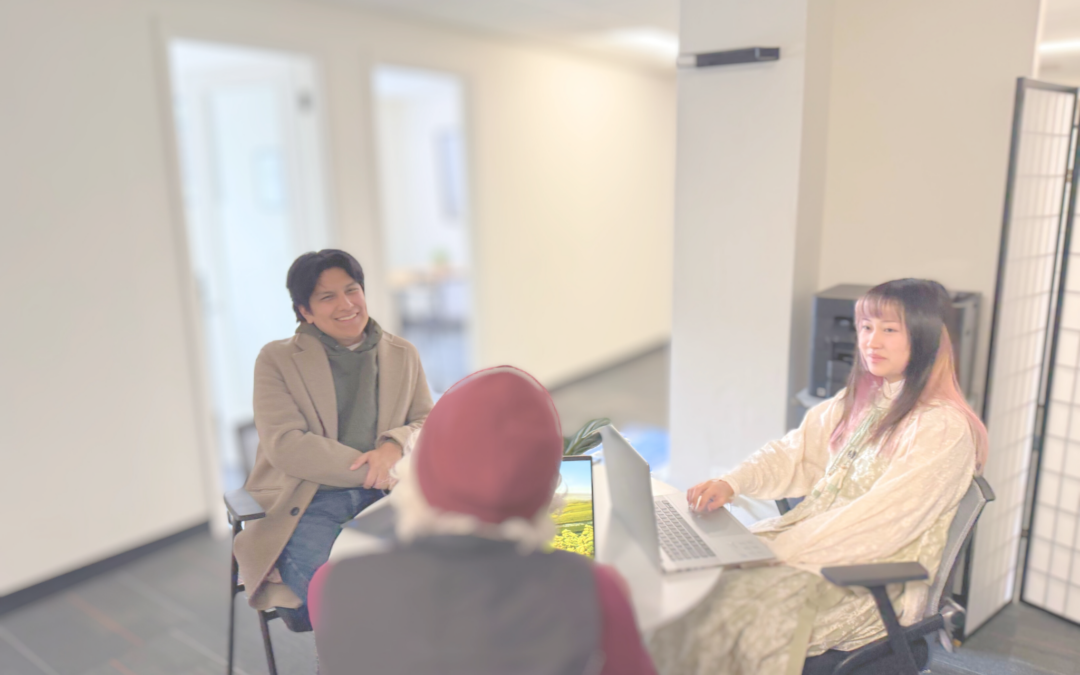
Hòa giải là một quá trình tự nguyện và bảo mật, trong đó một bên thứ ba trung lập giúp những người đang có mâu thuẫn tìm ra giải pháp cho riêng mình. Khác với thẩm phán – người đưa ra quyết định thay cho bạn – người hòa giải sẽ tạo điều kiện cho cuộc đối thoại và hướng dẫn các bên tranh chấp đi đến những thỏa thuận mà cả hai bên đều chấp nhận được.
Hãy xem hòa giải như việc có một người đối thoại giàu kinh nghiệm, người sẽ giúp bạn và bên kia giao tiếp hiệu quả hơn, khám phá những phương án mà có thể bạn chưa từng nghĩ đến, và cùng nhau tìm ra những giải pháp thực sự phù hợp với tất cả các bên liên quan. Điều quan trọng không phải là thắng hay thua, mà là tìm ra một hướng đi mà mọi người đều có thể chấp nhận.
Quy trình hòa giải diễn ra như thế nào?
Quá trình hòa giải thường tuân theo các bước chính sau đây. Trước tiên, mỗi bên trình bày quan điểm của mình về tình huống mà không bị ngắt lời. Mục đích ở đây không phải là để chứng minh ai đúng, ai sai, mà là để thấu hiểu những lo ngại và lợi ích của từng người.
Tiếp theo, người hòa giải sẽ giúp xác định những vấn đề cốt lõi cần được giải quyết, và thường qua đó cho thấy rằng những vấn đề thực sự lại khác với những gì mọi người ban đầu nghĩ là nguyên nhân gây ra mâu thuẫn. Sau đó, tất cả các bên cùng nhau đưa ra các giải pháp tiềm năng. Cách tiếp cận hợp tác này thường dẫn đến những kết quả sáng tạo mà không một cá nhân nào có thể tự mình nghĩ ra. Cuối cùng, dưới sự hướng dẫn của người hòa giải, các bên cùng nỗ lực đạt được các thỏa thuận nhằm đáp ứng những nhu cầu và lợi ích quan trọng nhất của tất cả mọi người.
Điều gì khiến thủ tục hòa giải khác với thủ tục tòa án?
Khác với việc đưa ra tòa, hòa giải giúp bạn lấy lại quyền kiểm soát. Bạn vẫn giữ quyền ra quyết định vì không có thẩm phán nào áp đặt một giải pháp. Thay vào đó, chính bạn là người xây dựng các thỏa thuận phù hợp với hoàn cảnh cụ thể của mình. Mọi nội dung được thảo luận trong quá trình hòa giải đều được bảo mật, và bản chất hợp tác của phương pháp này thường giúp các bên tiến về phía trước với sự giao tiếp tốt hơn, thay vì để lại những mối quan hệ bị tổn thương.
Hầu hết các vụ hòa giải đều được giải quyết trong vòng vài giờ hoặc vài ngày, chứ không phải vài tháng hay vài năm, và chi phí thường chỉ bằng một phần nhỏ so với số tiền bạn phải bỏ ra cho việc kiện tụng. Có lẽ điều quan trọng nhất là bạn sẽ có được những giải pháp mà chính bạn đã góp phần tạo ra, thay vì những quyết định được áp đặt bởi một người không hiểu hết hoàn cảnh cụ thể của bạn.
Vai trò của bên thứ ba trung lập
Một hòa giải viên giỏi không chỉ đơn thuần đóng vai trò như một trọng tài. Họ tạo ra một không gian an toàn cho cuộc đối thoại cởi mở và giúp các bên giao tiếp hiệu quả hơn. Họ đặt ra những câu hỏi nhằm làm rõ những lợi ích và nhu cầu tiềm ẩn, hướng cuộc trò chuyện đến việc giải quyết vấn đề một cách hiệu quả, đồng thời đảm bảo mọi người đều có cơ hội bày tỏ quan điểm trong quá trình này.
Người hòa giải không đứng về phía nào, không đưa ra lời khuyên pháp lý và cũng không ra quyết định thay cho bạn. Thay vào đó, họ đóng vai trò điều phối một quá trình giúp bạn tự giải quyết tranh chấp của mình. Hãy coi họ như một người hướng dẫn, giúp bạn điều hướng cuộc trò chuyện và khám phá những khả năng mà có thể bạn chưa từng nghĩ đến khi tự mình giải quyết.
Trong những trường hợp nào thì hòa giải có thể giúp ích?
Hòa giải mang lại hiệu quả cao trong hầu như mọi xung đột mà các bên cần cùng nhau tìm ra lối đi phía trước. Quá trình này đặc biệt phát huy tác dụng trong những tình huống mà mối quan hệ giữa các bên là yếu tố quan trọng và các giải pháp sáng tạo có thể mang lại lợi ích cho tất cả các bên liên quan.
Tranh chấp gia đình và cá nhân:
- Các xung đột gia đình thường liên quan đến những cảm xúc sâu sắc và các mối quan hệ lâu dài, điều này khiến cho việc hòa giải trở nên đặc biệt có giá trị. Các thủ tục ly hôn, thỏa thuận về quyền nuôi con và lịch trình thăm nom có thể được giải quyết với ít tổn thương hơn và tập trung nhiều hơn vào điều gì là tốt nhất cho tất cả mọi người, đặc biệt là trẻ em. Các tranh chấp về thừa kế, quyết định chăm sóc người cao tuổi và những bất đồng giữa anh chị em hoặc các thành viên khác trong gia đình có thể được giải quyết đồng thời vẫn giữ gìn được những mối quan hệ gia đình mà các cuộc tranh chấp tại tòa án có thể phá hủy vĩnh viễn.
Các vấn đề về nhà ở và bất động sản:
- Các xung đột liên quan đến nhà ở đặt ra những thách thức đặc thù vì mọi người thường phải tiếp tục sinh sống hoặc làm việc trong không gian gần gũi. Các tranh chấp giữa chủ nhà và người thuê nhà về tiền đặt cọc, vi phạm hợp đồng thuê nhà hoặc việc bảo trì tài sản có thể được giải quyết mà không cần tốn thời gian và chi phí cho các thủ tục trục xuất. Các xung đột giữa hàng xóm về ranh giới tài sản, vấn đề tiếng ồn hoặc lối đi chung sẽ được hưởng lợi từ phương pháp hòa giải, vốn tập trung vào việc tìm kiếm các giải pháp thiết thực giúp mọi người chung sống hòa bình.
- Nhiều tranh chấp thường ngày, vốn có thể phải đưa ra tòa án giải quyết các vụ kiện nhỏ, có thể được giải quyết một cách thỏa đáng hơn thông qua hòa giải. Các khiếu nại của người tiêu dùng về sản phẩm bị lỗi, tranh chấp về dịch vụ với nhà thầu và các yêu cầu bồi thường theo bảo hành thường đạt được kết quả tốt hơn khi cả hai bên cùng hợp tác để tìm ra giải pháp. Những tình huống này thường liên quan đến sự hiểu lầm hoặc kỳ vọng không được đáp ứng, và hòa giải có thể giải quyết những vấn đề này một cách hiệu quả hơn so với phán quyết của thẩm phán.
- Các tranh chấp tại nơi làm việc thường được giải quyết hiệu quả thông qua hòa giải vì người lao động và người sử dụng lao động thường cần duy trì mối quan hệ công việc. Các khiếu nại về phân biệt đối xử, tố cáo quấy rối và tranh chấp liên quan đến việc sa thải trái pháp luật đôi khi có thể được giải quyết theo những cách vừa giải quyết được các vấn đề cốt lõi tại nơi làm việc, vừa đáp ứng nhu cầu của tất cả các bên. Ngay cả khi mối quan hệ lao động không thể cứu vãn, hòa giải thường mang lại kết quả thỏa đáng hơn so với các thủ tục pháp lý chính thức.
- Các xung đột trong cộng đồng đòi hỏi sự quan tâm đặc biệt đến các mối quan hệ hiện có và lợi ích chung. Các tranh chấp trong hiệp hội chủ nhà, bất đồng về nguồn lực cộng đồng và mâu thuẫn giữa hàng xóm có thể được giải quyết thông qua hòa giải với các giải pháp cân nhắc nhu cầu của mọi người để cùng sống hòa thuận trong cùng một khu vực. Những tranh chấp này thường liên quan đến những người sẽ thường xuyên tiếp xúc với nhau, khiến phương pháp hòa giải – vốn chú trọng duy trì mối quan hệ – trở nên đặc biệt có giá trị.
Yêu cầu then chốt trong tất cả các tình huống này cũng như các lĩnh vực xung đột khác là tất cả các bên phải sẵn sàng tham gia một cách tự nguyện và hành động trên tinh thần thiện chí. Khi mọi người ngồi vào bàn đàm phán với thái độ sẵn sàng lắng nghe, chia sẻ quan điểm của mình và cùng nhau tìm kiếm giải pháp, hòa giải có thể mang lại hiệu quả đáng kể trong việc chuyển hóa xung đột thành hợp tác.
Tại sao nên chọn hòa giải?
Ngoài những lợi ích thiết thực về tốc độ và tiết kiệm chi phí, hòa giải còn mang lại một điều độc đáo: cơ hội được lắng nghe và tham gia tích cực vào việc giải quyết chính những vấn đề của bản thân. Tại tòa án, bạn trình bày vụ việc của mình và chờ đợi người khác quyết định tương lai của bạn. Trong quá trình hòa giải, bạn là người tham gia tích cực vào việc xây dựng các giải pháp phản ánh nhu cầu và ưu tiên thực sự của bạn.
Nhiều người cho rằng hòa giải mang lại sức mạnh vì phương pháp này thừa nhận rằng những người gần gũi nhất với xung đột thường là những người hiểu rõ nhất về nó và ở vị trí thuận lợi nhất để đưa ra các giải pháp khả thi. Khi bạn tham gia xây dựng thỏa thuận, bạn sẽ có nhiều khả năng tuân thủ nó hơn vì thỏa thuận đó giải quyết những vấn đề quan trọng nhất đối với bạn.
Bắt đầu với thủ tục hòa giải
Nếu bạn đang gặp phải một xung đột và băn khoăn không biết liệu hòa giải có thể giúp ích hay không, hãy cân nhắc những câu hỏi sau đây:
- Tất cả các bên có sẵn sàng tham gia một cách tự nguyện không?
- Việc duy trì các mối quan hệ có quan trọng đối với bạn không?
- Bạn có muốn có quyền kiểm soát kết quả nhiều hơn so với những gì tòa án có thể mang lại không?
- Bạn đang tìm kiếm một cách giải quyết vấn đề một cách bảo mật?
- Quý vị có muốn tận dụng một quy trình nhanh hơn và tiết kiệm chi phí hơn không?
- Bạn có thích cùng nhau tìm ra giải pháp hơn là tranh cãi gay gắt không?
Nếu bạn trả lời “có” cho bất kỳ câu hỏi nào trong số này, hòa giải có thể là một lựa chọn tuyệt vời cho trường hợp của bạn. Để tìm hiểu thêm hoặc đặt lịch hòa giải, hãy nhấp vào đây.
Tiến lên phía trước
Hòa giải là một cách tiếp cận khác trong việc nhìn nhận xung đột. Thay vì coi tranh chấp là những cuộc chiến cần phải thắng, hòa giải xem chúng như những vấn đề cần được giải quyết cùng nhau. Cách tiếp cận này thừa nhận rằng các giải pháp bền vững xuất phát từ việc thấu hiểu nhu cầu của nhau và hợp tác với nhau để đi đến những thỏa thuận mà mọi người đều có thể chấp nhận được.
Khi xảy ra tranh chấp trong cuộc sống, hãy nhớ rằng ra tòa không phải là lựa chọn duy nhất của bạn. Hòa giải mang đến một con đường tôn trọng tiếng nói của mọi người, bảo vệ các mối quan hệ quan trọng và trao quyền cho bạn để tìm ra những giải pháp thực sự phù hợp với hoàn cảnh riêng của mình. Điều quan trọng là tìm ra một hướng đi giúp mọi người đều giữ được phẩm giá của mình trong khi giải quyết những vấn đề thực sự đang đặt ra.
Dù bạn đang phải đối mặt với bất đồng trong kinh doanh, xung đột gia đình hay tranh chấp trong cộng đồng, hòa giải sẽ cung cấp các công cụ và khuôn khổ cần thiết để chuyển từ xung đột sang giải quyết, đồng thời vẫn giữ nguyên các mối quan hệ, nguồn lực và sự an tâm của bạn. Đôi khi, những giải pháp tốt nhất chính là những giải pháp mà chúng ta cùng nhau tạo ra!
của Meg S | 24 tháng 9 năm 2025
Di sản của hoạt động hòa giải giữa các bạn học
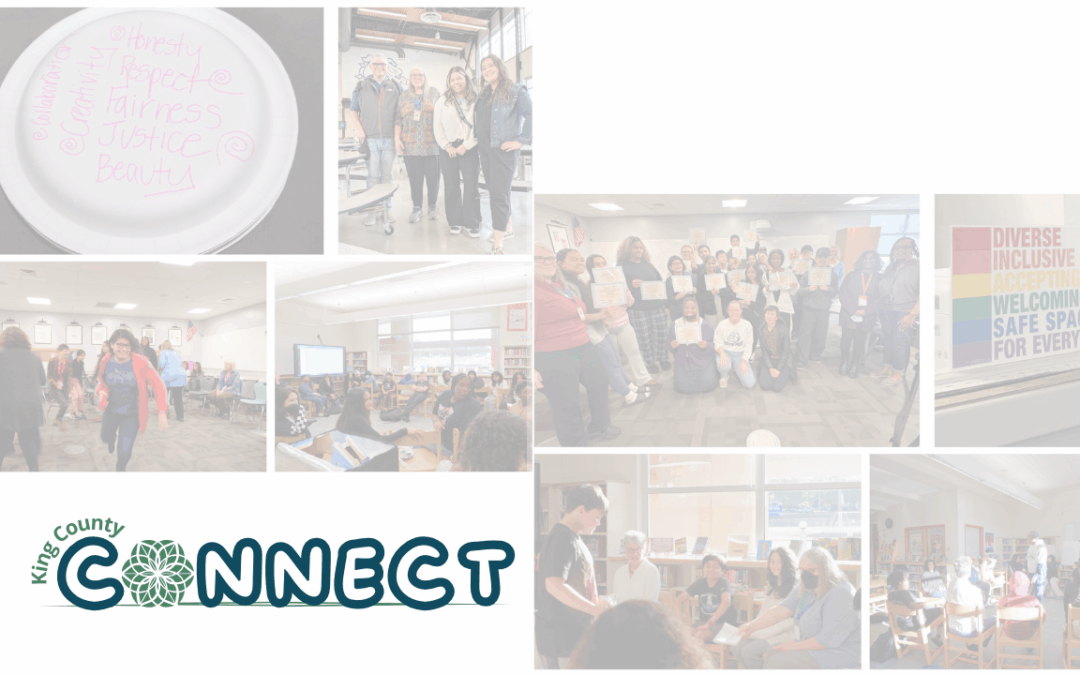
Khi các chương trình hòa giải đồng đẳng của KCDRC kết thúc, điều này không chỉ đánh dấu sự khép lại của một chương, mà còn là sự khởi đầu của một tầm nhìn mới. Trong nhiều năm qua, hòa giải đồng đẳng đã mang đến cho thanh thiếu niên cơ hội rèn luyện kỹ năng lãnh đạo thông qua việc giải quyết tranh chấp, lắng nghe sâu sắc và xây dựng lòng tin với bạn bè đồng trang lứa. Những trải nghiệm đó đã gieo mầm ý tưởng rằng giới trẻ không chỉ có khả năng giải quyết xung đột, mà còn có vị thế đặc biệt để dẫn dắt cộng đồng của họ vượt qua những thay đổi.
Tia lửa được mài giũa bởi xung đột toàn cầu
Ngọn lửa khơi nguồn cho KC CONNECT đã tồn tại từ lâu, bắt nguồn từ nhiều năm hoạt động phát triển thanh thiếu niên và đối thoại cộng đồng. Tuy nhiên, vào đầu năm nay, khi những câu chuyện về xung đột diễn ra trên khắp thế giới, đặc biệt là những hình ảnh về các gia đình bị chia cắt tại Los Angeles trong các cuộc đột kích của ICE, tia lửa đó đã được mài dũa thành một tầm nhìn rõ ràng. Những khoảnh khắc này đã nhấn mạnh sự cấp thiết của việc chuẩn bị cho thanh thiếu niên và các gia đình không chỉ để giải quyết những mâu thuẫn hàng ngày, mà còn để đối mặt với sự bất công hệ thống, cùng nhau hàn gắn vết thương và bước vào vai trò lãnh đạo. Từ niềm tin này, ý tưởng về KC CONNECT đã dần hình thành.
Phát triển trên nền tảng vững chắc
KC CONNECT được xây dựng dựa trên di sản của mô hình hòa giải giữa các bạn đồng trang lứa và những bài học rút ra từ chương trình thí điểm Bridge năm 2024. Từ những nền tảng đó, đã nảy sinh hai nhận thức quan trọng: rằng việc giải quyết xung đột là trách nhiệm của mọi người, không chỉ riêng các hòa giải viên được đào tạo, và rằng đối thoại lấy sự hàn gắn làm trọng tâm có sức mạnh để củng cố toàn bộ cộng đồng. Thay vì giới hạn các kỹ năng này cho một nhóm nhỏ các học sinh hòa giải viên, KC CONNECT mở rộng cơ hội tiếp cận cho thanh thiếu niên và các gia đình trên toàn Hạt King.
Cách tham gia
KC CONNECT cung cấp hai hình thức tham gia. Các trường học, tổ chức phi lợi nhuận phục vụ thanh thiếu niên và các nhóm cộng đồng có thể tổ chức các buổi hội thảo trực tiếp tại lớp học, các chương trình sau giờ học, các nhóm thanh thiếu niên hoặc các hoạt động gắn kết gia đình, được thiết kế riêng phù hợp thông qua sự hợp tác với đội ngũ nhân viên. Đối với cá nhân, KCDRC cũng tổ chức các buổi hội thảo trực tuyến miễn phí hàng tháng, mở cửa cho tất cả thanh thiếu niên và gia đình tại Hạt King. Các buổi này bao gồm ba chủ đề chính: Nền tảng của xung đột (nguyên nhân, giao tiếp, cảm xúc và bản sắc), Phát triển kỹ năng (các phương pháp hòa giải, vòng tròn gia đình và xung đột trực tuyến), và Nhận thức phê phán & Quyền lực văn hóa (xung đột như một quá trình thay đổi, vòng tròn thanh thiếu niên, lấy lại quyền lực). Cùng nhau, các lựa chọn này giúp KC CONNECT vừa dễ tiếp cận vừa đáp ứng linh hoạt các nhu cầu của cộng đồng.
Đặt sự hòa nhập và công bằng làm trọng tâm
Như Sharon giải thích, sức mạnh của KC CONNECT nằm ở tính bao trùm của chương trình. Mỗi người tham gia không chỉ rời buổi hội thảo với những công cụ thiết thực về giao tiếp và giải quyết vấn đề, mà còn có được trải nghiệm được lắng nghe và trân trọng. “Mọi người đều nên được tiếp cận những kỹ năng này,” cô chia sẻ. “Mỗi người tham gia đều học được những cách thức mới để tương tác, giúp họ giải quyết vấn đề của bản thân, hợp tác với người khác và cùng nhau xây dựng một cộng đồng.”
Tầm nhìn về vai trò lãnh đạo của thanh niên
Tầm nhìn của Fergie không chỉ dừng lại ở các buổi hội thảo mà còn vươn xa đến một mô-đun lãnh đạo trong tương lai. Cô rất mong muốn được chứng kiến giới trẻ bước vào các không gian công dân, nơi tiếng nói của họ có thể tác động đến sự thay đổi. Cô hy vọng rằng KC CONNECT sẽ truyền cảm hứng cho giới trẻ, đặc biệt là những người đến từ các cộng đồng vốn bị loại trừ khỏi quá trình ra quyết định trong lịch sử, để họ nộp đơn ứng tuyển vào các hội đồng tư vấn cấp huyện và toàn tiểu bang, đồng thời nhận thức được bản thân là những nhà lãnh đạo có khả năng định hình chính sách và các ưu tiên của cộng đồng. Như cô mô tả: “Điều này không chỉ đơn thuần là một ghế trong hội đồng, mà còn là việc truyền cảm hứng cho giới trẻ để họ nhận ra mình có sức mạnh tạo ra sự khác biệt, bằng bất kỳ cách nào họ chọn.”
Hơn cả một chương trình: Một phong trào
Sự chuyển đổi này hoàn toàn phù hợp với các giá trị của Trung tâm Giải quyết Tranh chấp. Bằng cách lấy việc hàn gắn, sự đáp ứng nhu cầu cộng đồng và công bằng làm trọng tâm, KC CONNECT đảm bảo rằng việc giải quyết xung đột không chỉ là một công cụ để giải quyết vấn đề, mà còn là một phương tiện để xây dựng những cộng đồng vững mạnh và kiên cường hơn. Như Dave, Giám đốc Điều hành, đã nhận định: “Đây không chỉ là một chương trình, mà còn là một phong trào. Chúng tôi đang chuẩn bị cho các em nhỏ để các em có thể thay đổi thế giới.”
KC CONNECT không chỉ đơn thuần là sự tiếp nối của những hoạt động trước đây. Chương trình này thể hiện một sự chuyển hướng trong phương pháp tiếp cận: từ việc giải quyết từng xung đột riêng lẻ sang trang bị cho cả cộng đồng những kỹ năng để hàn gắn, lãnh đạo và vận động cho sự thay đổi. Đây là một chương trình có nguồn gốc từ lịch sử, được xây dựng cho hiện tại và chuẩn bị cho thế hệ lãnh đạo của tương lai.
Tìm hiểu thêm hoặc đăng ký tham gia hội thảo!
Bài viết này ban đầu được đăng trên bản tin của chúng tôi; hãy đăng ký tại đây.

của Meg S | 15 tháng 7 năm 2025
Một trong những chương trình cốt lõi do Trung tâm Giải quyết Tranh chấp Hạt King (KCDRC) cung cấp là hòa giải gia đình, trong đó các hòa giải viên của KCDRC hỗ trợ mọi người giải quyết các vấn đề liên quan đến kế hoạch nuôi dạy con cái, ly hôn hoặc những thay đổi và căng thẳng khác trong gia đình. Thông thường, điều này bao gồm việc các bậc cha mẹ cùng nhau thảo luận về kế hoạch nuôi dạy con cái hoặc điều chỉnh các thỏa thuận hiện có, cũng như các vụ ly hôn. Tuy nhiên, hòa giải gia đình cũng có thể liên quan đến các vấn đề khác, chẳng hạn như anh chị em cùng nhau chăm sóc người cao tuổi hoặc các thành viên trong gia đình phân chia trách nhiệm chung sau khi mất người thân.
Các bên thường bước vào phiên hòa giải gia đình với tâm trạng băn khoăn hoặc cam chịu. Trong buổi tiếp nhận ban đầu, họ thường chia sẻ rằng đã thử mọi cách có thể nghĩ ra và đã đưa ra các yêu cầu theo nhiều hình thức khác nhau, đôi khi kéo dài nhiều năm. Nếu có con cái liên quan, mỗi bậc cha mẹ có thể cảm thấy mình đang hành động vì lợi ích tốt nhất của con cái trong khi người kia thì không. Hòa giải không phải lúc nào cũng mang lại hy vọng – đôi khi chỉ là điều họ được tòa án hoặc kế hoạch nuôi dạy con yêu cầu phải thử. Hòa giải gia đình không phải là giải quyết mọi vấn đề chỉ trong một cuộc trò chuyện. Đó là việc tạo ra không gian cho những người đang có xung đột, thường là những người có chung quá khứ và trách nhiệm, để họ thoát khỏi những lối mòn cũ và có một không gian để giao tiếp theo cách khác. Để nói thẳng thắn. Để được lắng nghe. Để hình dung ra con đường phía trước sẽ như thế nào, ngay cả khi con đường đó có vẻ mờ mịt.
Chuẩn bị là YẾU TỐ QUAN TRỌNG NHẤT!
Quyền tự quyết là nền tảng của quá trình hòa giải gia đình thành công. Khác với các thủ tục pháp lý truyền thống, hòa giải trao quyền ra quyết định trực tiếp cho các bên liên quan, từ đó nuôi dưỡng cảm giác chủ động và sự tự chủ. Như một nhân viên đã giải thích, “Tại KCDRC, may mắn thay, chúng tôi không làm việc theo hoa hồng và không cần phải gây áp lực buộc mọi người tham gia hòa giải với chúng tôi chỉ vì mục đích kiếm tiền. Chúng tôi cũng phục vụ cộng đồng bằng cách đảm bảo các bên có đầy đủ thông tin và sự hỗ trợ để quyết định điều gì là tốt nhất cho họ trong số các lựa chọn có sẵn.”
Cùng với sự tự do và cơ hội đó là trách nhiệm. Để quá trình hòa giải đạt hiệu quả, mỗi bên không chỉ quyết định tham gia dịch vụ hòa giải gia đình của KCDRC, mà còn phải cam kết chuẩn bị kỹ lưỡng và tham gia một cách chủ động. Hòa giải gia đình sẽ mang lại kết quả tốt nhất khi các bên đến với sự chuẩn bị chu đáo, không chỉ về mặt thủ tục giấy tờ mà còn về mặt nhận thức.
Tại KCDRC, việc quản lý vụ việc gia đình tạo tiền đề cho các phương án giải quyết có ý nghĩa bằng cách giúp các bên trang bị góc nhìn và các công cụ giao tiếp cần thiết. Hoạt động hướng dẫn quản lý vụ việc cũng hỗ trợ các cá nhân đối mặt với những cảm xúc và quyết định khó khăn mà họ sẽ phải giải quyết trong quá trình hòa giải. Quy trình tiếp nhận vụ việc gia đình của KCDRC giúp các bên hiểu rõ những khả năng thực tế của hòa giải: những vấn đề mà hòa giải có thể giúp giải quyết và những vấn đề mà nó không thể giải quyết. Ngay cả khi không dẫn đến một phiên hòa giải với thỏa thuận giải quyết, nhiều người vẫn cảm thấy nhẹ nhõm và sáng tỏ hơn sau cuộc trò chuyện tiếp nhận vụ việc gia đình tại KCDRC. Trong quá trình tiếp nhận vụ việc gia đình tại KCDRC, các vụ việc được đánh giá xem có phù hợp để hòa giải hay không, và chúng tôi cũng cung cấp nhiều giới thiệu về các nguồn lực hỗ trợ.
Hỗ trợ các bên
Khi việc tiếp nhận tại KCDRC dẫn đến một phiên hòa giải gia đình, quy trình này giúp các bên tham gia hòa giải có sự tập trung và sẵn sàng tìm kiếm các giải pháp: Các bên cần chuẩn bị những thông tin nào để làm cơ sở cho cuộc thảo luận hòa giải? Những phương án tốt nhất, tồi tệ nhất và thực tế nhất là gì đối với từng bên, cũng như đối với các bên liên quan khác? Các bên hầu như luôn cần không chỉ sự chuẩn bị này, mà còn cần sự hỗ trợ liên tục trong suốt phiên hòa giải gia đình để có thể bày tỏ những lo ngại của mình một cách rõ ràng và đầy sự đồng cảm.
Các hòa giải viên gia đình của KCDRC tôn trọng quan điểm rằng các bên là những người hiểu rõ nhất về hoàn cảnh của chính mình và không chỉ đạo họ phải làm gì hay ép buộc họ phải chấp nhận những thỏa hiệp mà họ có thể không sẵn lòng hoặc không thể thực hiện được. Thay vào đó, các hòa giải viên giúp các bên tham gia bình tĩnh lại, xác định những điều thực sự quan trọng và khám phá các phương án mà chính họ — chứ không phải bên thứ ba — sẽ tự quyết định lựa chọn. Khi cần thiết, các bên được khuyến khích trao đổi với luật sư để xem xét bất kỳ thỏa thuận nào đã đạt được. Các bên cũng có thể chọn mời luật sư của mình tham gia buổi hòa giải.
Những thay đổi trong cuộc trò chuyện
Một sự thay đổi thường thấy trong quá trình hòa giải gia đình là cách mọi người nói chuyện. Các hòa giải viên thường nhận thấy rằng trước tiên một bên, rồi đến bên kia sẽ bắt đầu sử dụng những cụm từ như “theo quan điểm của tôi” hoặc “theo như tôi hiểu thì.” Như hòa giải viên Beckey của KCDRC Sukovaty chia sẻ rằng, “Rất nhiều việc mà chúng tôi, với tư cách là những người hòa giải, thực hiện – và điều này đặc biệt quan trọng trong các vụ hòa giải gia đình – là giúp mọi người chuyển từ việc cố gắng chứng minh quan điểm của mình sang việc đặt câu hỏi. Từ việc đổ lỗi sang tập trung vào thực tế cụ thể. Từ ‘điều này luôn xảy ra’ sang ‘chúng ta có thể làm gì khác đi trong tương lai?’” Đó là những khoảnh khắc nhỏ bé, nhưng chúng cho thấy cuộc đối thoại đang thay đổi hướng đi. Những gì ban đầu chỉ là cảm giác tuyệt vọng và bực bội đang dần chuyển sang việc tập trung vào việc cùng nhau giải quyết vấn đề.
Những thay đổi đó thường – nhưng không phải lúc nào cũng – dẫn đến một thỏa thuận chính thức. Tuy nhiên, những thay đổi đó hầu như luôn có nghĩa là họ có thể kết thúc quá trình hòa giải ở một điểm tốt hơn cho bản thân và gia đình so với điểm xuất phát. Đôi khi, thành công lớn nhất trong hòa giải gia đình không phải là một thỏa thuận đã ký kết. Đó là giọng điệu dịu dàng hơn, một khoảnh khắc im lặng suy ngẫm khi thực sự lắng nghe, sự sẵn lòng nhìn nhận một câu chuyện quen thuộc từ một góc độ mới, hoặc việc lập ra những kế hoạch không chính thức để tiếp tục hợp tác theo cách mới với sự giao tiếp tốt hơn.
bởi Meg S | Ngày 14 tháng 5 năm 2025
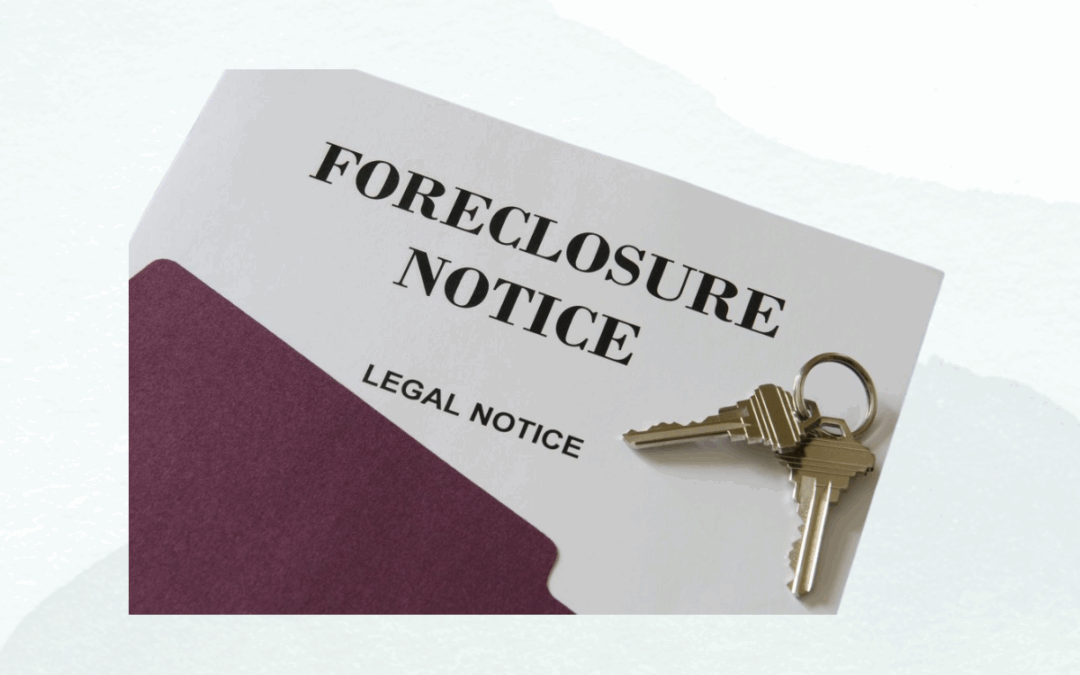
Ngăn ngừa tịch biên thông qua hòa giải là một trong những công cụ hiệu quả nhất và ít được sử dụng nhất dành cho những chủ nhà đang phải đối mặt với căng thẳng tài chính. Tại Trung tâm giải quyết tranh chấp của Quận King (KCDRC), hòa giải giúp cư dân giải quyết các cuộc trò chuyện khó khăn với bên cho vay, giải quyết hiểu lầm và tìm giải pháp thay thế trước khi việc tịch biên trở thành hiện thực.
Công việc này gắn chặt với chương trình HOMES —Dịch vụ tiếp cận, cố vấn và giáo dục cho chủ nhà—giúp người lớn tuổi, cựu chiến binh và người khuyết tật nộp đơn xin miễn thuế tài sản của Quận King. Cùng nhau, các dịch vụ này cung cấp hỗ trợ có ý nghĩa cho cư dân có nguy cơ mất ổn định nhà ở.
Hòa giải là gì?
Hoà giải là một quá trình tự nguyện, bảo mật, trong đó một bên thứ ba trung lập giúp mọi người có những cuộc trò chuyện có cấu trúc và hướng tới các thỏa thuận. Tại KCDRC, các nhà hoà giải được đào tạo của chúng tôi không đứng về bên nào hoặc đưa ra lời khuyên pháp lý. Thay vào đó, họ tạo ra không gian để hiểu, giải quyết vấn đề và làm sáng tỏ trong những thời điểm khó khăn.
Trong bối cảnh nhà ở, điều này có thể có nghĩa là tạo điều kiện cho các cuộc trò chuyện giữa:
-
Chủ nhà và người cung cấp dịch vụ thế chấp
-
Các thành viên gia đình điều hướng các quyết định về tài sản chung
-
Chủ nhà và viên chức quận hoặc cố vấn tài chính
Làm thế nào để hòa giải giúp ngăn ngừa việc tịch thu tài sản
Khi chủ nhà chậm thanh toán hoặc gặp khó khăn với thuế, giao tiếp thường bị gián đoạn. Hoà giải đưa mọi người vào bàn và tạo cơ hội để:
-
Làm rõ tình hình
-
Xác định các lựa chọn như kế hoạch thanh toán, giảm thuế hoặc điều chỉnh tạm thời
-
Kết nối với các nguồn hỗ trợ , bao gồm hỗ trợ pháp lý và tư vấn tài chính
-
Xây dựng lại lòng tin và giảm bớt căng thẳng về mặt cảm xúc
Hoà giải có thể đặc biệt hiệu quả khi kết hợp với các chương trình như HOMES (Dịch vụ tiếp cận, cố vấn và giáo dục cho chủ nhà), giúp cư dân đủ điều kiện nộp đơn xin miễn thuế tài sản của Quận King. Bằng cách giải quyết cả hai khía cạnh tài chính và quan hệ của căng thẳng về nhà ở, cư dân có nhiều khả năng tìm thấy sự ổn định lâu dài.
Kết quả thực tế
Mặc dù mỗi tình huống đều khác nhau, sau đây là một số kết quả phổ biến của hoạt động hòa giải liên quan đến nhà ở tại KCDRC:
-
Thỏa thuận về thời hạn trả nợ mới
-
Phối hợp tài liệu miễn thuế tài sản
-
Thỏa thuận gia đình về quyền sở hữu chung hoặc trách nhiệm tài chính
-
Giới thiệu đến các cố vấn nhà ở hoặc luật sư khi cần thiết
Cách truy cập trợ giúp
Nếu bạn hoặc người quen của bạn có nguy cơ bị tịch thu nhà hoặc đang phải vật lộn với căng thẳng về nhà ở, hãy liên hệ sớm . Việc hòa giải càng sớm thì thường sẽ có nhiều lựa chọn hơn.
Bạn có thể:
Bạn không phải đối mặt với việc tịch biên tài sản một mình. Hoà giải có thể là bước đầu tiên hướng tới sự sáng suốt, ổn định và bình yên trong tâm trí.