por Meg S | 15 de julio de 2026
Una inversión comunitaria en equidad, estabilidad y oportunidades
Los conflictos son algo natural en cualquier lugar de trabajo, pero, si no se resuelven, pueden minar la moral, la productividad, la colaboración y la confianza. Sus efectos van más allá del ámbito laboral y afectan a los empleados, a los empresarios, a las familias y a las comunidades a través de la pérdida de productividad, la rotación de personal, los costes económicos y el deterioro de las relaciones.
La mediación laboral ofrece a los empleados y a las organizaciones una forma voluntaria, confidencial y asequible de resolver conflictos con el apoyo de un profesional neutral y de confianza. Un proceso de mediación sensible a las diferencias culturales reconoce que la cultura, la identidad, los estilos de comunicación y las experiencias vividas determinan la forma en que las personas viven los conflictos. Al crear un espacio respetuoso e inclusivo en el que se escucha a todas las voces, la mediación contribuye a fomentar el entendimiento, fortalecer las relaciones y resolver las disputas antes de que se agraven.
La mayoría de los empleados a tiempo completo pasan más horas de los días laborables, mientras están despiertos, con sus compañeros de trabajo que con sus propias familias. Un entorno laboral saludable e inclusivo no es un simple extra, sino que es esencial para el bienestar de los empleados, el éxito de la organización y el desarrollo de las comunidades.
El KCDRC ofrece servicios de mediación laboral en todo el condado de King, ayudando a compañeros de trabajo, equipos y organizaciones a resolver conflictos complejos, mejorar la comunicación y encontrar soluciones prácticas. A través de un proceso seguro y estructurado, la mediación contribuye a restablecer la confianza, reforzar la colaboración y fomentar entornos de trabajo más saludables.
Un par de observaciones de nuestros mediadores
Dos mediadores, mayor impacto:
La co-mediación aporta un valor añadido al proceso de mediación. A través de los servicios de mediación comunitaria del KCDRC, podemos llevar a cabo la co-mediación en numerosas disputas, incluidos conflictos laborales complejos en los que intervienen varias partes.
Contar con dos mediadores supone disponer de más puntos de vista, una escucha más profunda y una comprensión más sólida de las preocupaciones y los objetivos de cada parte. Antes de una sesión, podemos comparar observaciones, planificar estrategias y prepararnos para los retos. Durante la mediación, un mediador puede guiar la conversación mientras el otro observa la dinámica, capta señales importantes y contribuye a que el debate sea productivo.
La co-mediación también favorece la consecución de acuerdos más claros, ya que nos permite centrarnos tanto en la conversación como en los detalles de la resolución. Y, lo que es igual de importante, nos brinda la oportunidad de reflexionar, aprender unos de otros y seguir mejorando nuestra práctica.
En los conflictos complejos, hemos comprobado que la comediación refuerza tanto el proceso como los resultados. Solicite información sobre la resolución de conflictos aquí.
Empezando por lo que valoramos:
Una simple pregunta puede dar pie a conversaciones interesantes: «Cuéntame cuál es tu lugar de trabajo favorito».
Las respuestas rara vez tienen que ver con los cargos o el sueldo. La gente describe lugares de trabajo en los que se sintieron respetados, en los que se les tenía confianza, se les apoyaba y se sentían integrados. Recuerdan el trabajo en equipo, la comunicación abierta, las risas y un sentido compartido de propósito.
Estas historias suelen poner de manifiesto puntos en común, incluso entre personas en conflicto. Al centrarse en valores compartidos como la confianza, la equidad y el sentido de pertenencia, los equipos pueden ir más allá de la mera resolución de problemas y empezar a crear el entorno laboral del que desean formar parte.
La necesidad es considerable: Cinco datos sobre el coste de los conflictos en el lugar de trabajo
1. Los conflictos suponen miles de millones en costes ocultos. Los empleados estadounidenses dedican 2,8 horas a la semana a lidiar con conflictos, lo que supone 359 000 millones de dólares en horas remuneradas al año, o 385 millones de días laborables perdidos. Esa cifra data de 2008; es casi seguro que el coste actual sea mayor. (Informe sobre el capital humano de CPP Global, 2008)
2. Las organizaciones pequeñas son las más afectadas: Para las pequeñas empresas, las organizaciones sin ánimo de lucro y las organizaciones comunitarias, el coste de un conflicto sin resolver puede resultar especialmente perjudicial.
- Los conflictos en el lugar de trabajo contribuyen a:
- Rotación de personal y retos en la contratación
-
- Pérdida de productividad y disminución de la moral
-
- Tensiones en las relaciones entre los empleados y la dirección
-
- Mayor riesgo de disputas legales costosas
- Las investigaciones demuestran que:
- El 51 % de los empleados se ha planteado dejar un trabajo debido a conflictos en el lugar de trabajo
-
- El 41 % ha dejado un trabajo debido a un conflicto
-
- Sustituir a un empleado puede suponer un coste de entre el 50 % y el 200 % de su salario anual
Fuentes: Recopilación de estudios sobre conflictos laborales (2026); estudio de la SHRM sobre la rotación de personal y el coste por contratación. Según lo publicado por Allen & Unger (2025).
3. Muchas organizaciones necesitan apoyo: La mayoría de los lugares de trabajo quieren gestionar los conflictos de forma eficaz, pero muchos carecen de los recursos y la experiencia necesarios para hacerlo.
- El 72 % de las organizaciones carece de una política formal de resolución de conflictos
- El 98 % de los empleados reconoce la importancia de la formación en resolución de conflictos
- Solo el 27 % de los directivos se considera altamente capacitado para gestionar conflictos
Un centro sin ánimo de lucro dedicado a la resolución de conflictos cubre esta carencia fundamental al ofrecer servicios imparciales y accesibles que muchas organizaciones no pueden desarrollar internamente.
Fuentes: Recopilación de estadísticas sobre conflictos laborales (2026); Investigación sobre conflictos de The Myers-Briggs Company.
4. La mediación da lugar a mejores resultados: la mediación ayuda a las personas a abordar los conflictos de forma directa, respetuosa y colaborativa.
- La mediación genera y se gana la confianza.
- El 71,2 % de las denuncias por discriminación laboral en las que intervino la EEOC como mediadora se resolvieron en el ejercicio fiscal 2024
-
- Casi la mitad de los acuerdos alcanzados mediante mediación incluían soluciones que iban más allá de las compensaciones económicas, como formación, mejoras en las políticas o la reincorporación al puesto de trabajo.
-
- El 96 % de los participantes volvería a recurrir a la mediación
-
- El 98,6 % de los empresarios volvería a recurrir a la mediación
La mediación preserva las relaciones, fomenta la responsabilidad y genera soluciones que, a menudo, el litigio no puede ofrecer.
Fuentes: Datos de la Comisión para la Igualdad de Oportunidades en el Empleo de EE. UU. (EEOC) correspondientes al ejercicio fiscal 2024; evaluación del programa de mediación de la EEOC (2023).
5. Los litigios consumen tiempo y dinero. Una demanda laboral cuesta de media 160 000 dólares y se prolonga durante 318 días. La mayoría de las mediaciones laborales se resuelven en una sola sesión de entre tres y cuatro horas, lo que permite a los empresarios mantener su solvencia, a los empleados seguir trabajando y que los casos no lleguen a los tribunales. (Guía de Hiscox sobre demandas de empleados; datos de la EEOC).
En resumen:
La mediación laboral genera un impacto duradero al transformar los conflictos en oportunidades para el entendimiento, la colaboración y el cambio positivo. Al ofrecer una alternativa más rápida, asequible y eficaz que los métodos tradicionales de resolución de conflictos, la mediación ayuda a las personas a encontrar soluciones que fortalecen las relaciones y restablecen la confianza.
Los beneficios van mucho más allá de los conflictos individuales. La mediación contribuye a crear entornos laborales más saludables, fomenta la resiliencia de las organizaciones y ayuda a construir un condado de King más sólido y cohesionado. Al invertir en el diálogo constructivo y en la resolución equitativa de conflictos, apoyamos a los empresarios, a los trabajadores y a los socios comunitarios, cuyos esfuerzos conjuntos contribuyen al progreso de nuestra comunidad.
Solicitar información sobre la resolución
Este artículo se publicó originalmente en nuestro boletín mensual; suscríbete aquí.

por Meg S | 18 de marzo de 2026
En todas las relaciones surgen roces. Un compañero de piso que deja los platos en el fregadero, una pareja que gestiona el dinero de forma diferente, un amigo que cancela los planes a última hora. El conflicto forma parte inherente de las relaciones humanas. Lo que distingue a las relaciones que prosperan de las que se desmoronan no suele ser si se producen conflictos, sino cómo las personas los afrontan. Ahí es donde entra en juego la comprensión de los estilos de conflicto.
¿Qué son los estilos de conflicto?
Los estilos de conflicto son los patrones habituales en los que caemos cuando surgen desacuerdos. Piensa en ellos como tu modo de actuar por defecto cuando estás bajo presión. Algunas personas se lanzan de cabeza, ansiosas por resolver las cosas de inmediato. Otras se retiran, con la esperanza de que el problema se resuelva por sí solo. Ninguno de los dos enfoques es intrínsecamente incorrecto, pero los problemas surgen cuando tu estilo choca con el de otra persona, o cuando aplicas el mismo enfoque a todas las situaciones, independientemente del contexto.
El marco más utilizado para comprender los tipos de personalidad en situaciones de conflicto proviene del modelo de Thomas-Kilmann, que clasifica los estilos a lo largo de dos ejes: la asertividad (en qué medida se dan prioridad a las propias necesidades) y la cooperatividad (en qué medida se dan prioridad a las necesidades de la otra persona). De este modo se definen cinco estilos distintos.
Los cinco estilos de gestión de conflictos
Competir
Alta asertividad, baja capacidad de cooperación.
- Los competidores consideran el conflicto como un juego de suma cero. Defienden con firmeza su postura, a veces a costa de la relación. Este estilo puede resultar eficaz en situaciones de emergencia o cuando es necesario mantenerse firme en un valor no negociable, pero si se abusa de él, puede hacer que los demás se sientan arrollados.
Evitar
Baja asertividad, baja capacidad de cooperación.
- Las personas evasivas eluden el conflicto por completo. Cambian de tema, se marchan de la habitación o dejan que los problemas se prolonguen indefinidamente. A veces, la evasión es estratégica, ya que no todas las causas merecen la pena defenderse a toda costa. Sin embargo, la evasión crónica hace que el resentimiento vaya creciendo e impide una resolución real.
Adaptable
Baja asertividad, alta cooperatividad.
- Las personas complacientes dan prioridad a la armonía y a la felicidad de los demás, a menudo a costa de sus propias necesidades. Son expertas en calmar los ánimos, pero el sacrificio constante puede generar resentimiento y minar la autoestima.
Comprometedor
Asertividad moderada, espíritu de colaboración moderado.
- Quienes apuestan por el compromiso buscan un término medio en el que todos cedan un poco. Es un enfoque práctico y eficaz, lo que lo hace útil para decisiones de menor importancia. ¿El inconveniente? Es posible que ambas partes queden solo parcialmente satisfechas y que los problemas subyacentes no se aborden.
Colaborar
Alto nivel de asertividad, alto nivel de cooperatividad.
- Los colaboradores analizan a fondo el conflicto, buscando una solución que tenga plenamente en cuenta las preocupaciones de ambas partes. Este enfoque requiere tiempo, confianza y una curiosidad genuina. Cuando funciona, refuerza las relaciones. Sin embargo, cuando se aplica de forma forzada en cuestiones de menor importancia, puede resultar agotador.
Por qué es importante tu estilo predeterminado
La mayoría de nosotros tenemos uno o dos estilos a los que recurrimos instintivamente. Estos patrones se forman desde muy temprano, moldeados por la dinámica familiar, la cultura y las experiencias pasadas. Quizá aprendiste a evitar los conflictos en un hogar conflictivo, o desarrollaste un espíritu competitivo en entornos en los que alzar la voz era la única forma de hacerte oír.
El problema es que recurrir a lo habitual es solo un hábito, no una estrategia. La comunicación en las relaciones mejora cuando puedes elegir tu enfoque en función de la situación, en lugar de recurrir siempre a la misma fórmula. La flexibilidad es el objetivo.
Cómo identificar tu estilo de gestión de conflictos
Presta atención a tus instintos la próxima vez que surja tensión:
- ¿Te acercas o te alejas? Acercarse al conflicto sugiere tendencias a competir o a colaborar. Alejarse indica que se busca evitarlo o adaptarse a él.
- ¿Cuál es tu principal preocupación? Dar prioridad a tus propias necesidades implica entrar en conflicto. Dar prioridad a la relación implica ceder.
- ¿Cómo te sientes después? El resentimiento suele indicar que te has adaptado a la situación o que la has evitado. La satisfacción con soluciones parciales apunta a que has cedido.
También puedes preguntar a personas de confianza cómo viven los conflictos contigo. Su punto de vista suele revelar aspectos que a ti se te escapan.
Consejos prácticos para resolver conflictos en las relaciones
1. Explica qué está pasando.
- Cuando detectes un conflicto de estilos, señálalo con tacto. «Creo que estoy intentando evitar esta conversación, y tú quieres resolverla ahora mismo. ¿Podemos encontrar un término medio?». Esto cambia la dinámica, pasando de un enfoque conflictivo a uno colaborativo.
2. Adapta el estilo a lo que hay en juego.
- Reserva la colaboración para los asuntos que realmente importan: los valores, los patrones recurrentes y las decisiones con repercusiones a largo plazo. No le des importancia a las pequeñas molestias o resuélvelas con un rápido acuerdo.
3. Distingue a la persona del problema.
- Céntrate en el problema concreto y en el comportamiento, no en juicios generales como «Siempre te cierras en banda» o «Tienes que ganarlo todo».
4. Muéstrate interesado por el estilo de la otra persona.
- Haz preguntas en lugar de dar cosas por sentadas. «¿Qué te ayudaría a sentirte escuchado en este momento?» demuestra respeto por su proceso.
5. Practica el estilo que menos utilizas.
- Si siempre te pones a la defensiva, intenta mostrarte de verdad comprensivo. Si siempre te escapas, intenta quedarte en la conversación cinco minutos más de lo que te resulte cómodo.
Una visión más amplia
Entender los tipos de personalidad en los conflictos no consiste en etiquetarse a uno mismo ni a los demás. Se trata de ampliar tu repertorio. Los mejores comunicadores saben competir cuando es necesario, colaborar cuando importa, adaptarse con elegancia, llegar a acuerdos de forma eficaz y alejarse de las discusiones que no merecen la pena.
Los conflictos no tienen por qué dañar las relaciones. Si se gestionan bien, fomentan la confianza, profundizan el entendimiento y allanan el camino para una conexión auténtica. El primer paso es conocer tus patrones. El siguiente es elegir, de forma consciente, cómo quieres actuar.
¿Te interesa saber más? Echa un vistazo a nuestras opciones de formación en resolución de conflictos.
por Meg S | 29 de enero de 2026
Cuando surgen conflictos, ya sea en el ámbito empresarial, en asuntos familiares o en disputas comunitarias, muchas personas dan por sentado que su única opción es acudir directamente a los tribunales. Sin embargo, existe otra vía que suele ser más eficaz, menos costosa y mucho menos estresante: la mediación. Si alguna vez te has preguntado «¿qué es la mediación?» o cómo este proceso podría ayudarte a resolver tu conflicto, estás en el lugar adecuado.
Entender la mediación: conceptos básicos
La mediación es un proceso voluntario y confidencial en el que un tercero neutral ayuda a las personas en conflicto a encontrar sus propias soluciones. A diferencia de un juez, que toma decisiones por ti, un mediador facilita el diálogo y orienta a las partes en conflicto hacia acuerdos mutuamente aceptables.
Piensa en la mediación como contar con un interlocutor experto que os ayude a ti y a la otra parte a comunicaros de forma más eficaz, a explorar opciones que quizá no hubierais barajado y a buscar soluciones que realmente funcionen para todas las partes implicadas. No se trata de ganar o perder, sino de encontrar un camino a seguir que todos puedan aceptar.
¿Cómo funciona la mediación?
El proceso de mediación suele seguir estos pasos fundamentales. En primer lugar, cada parte expone su punto de vista sobre la situación sin que se le interrumpa. No se trata de demostrar quién tiene razón o quién no, sino de comprender las preocupaciones e intereses de cada persona.
A continuación, el mediador ayuda a identificar las cuestiones fundamentales que deben abordarse, lo que a menudo revela que los verdaderos problemas difieren de aquello por lo que las personas pensaban inicialmente que estaban en conflicto. A continuación, todas las partes proponen conjuntamente posibles soluciones. Este enfoque colaborativo suele dar lugar a resultados creativos que ninguna persona habría podido desarrollar por sí sola. Por último, con la orientación del mediador, las partes trabajan para alcanzar acuerdos que satisfagan las necesidades e intereses más importantes de todos.
¿En qué se diferencia la mediación de los tribunales?
A diferencia de un litigio, la mediación te devuelve el control. Tú mantienes el poder de decisión, ya que ningún juez impone una solución. En su lugar, llegáis a acuerdos que se adaptan a vuestra situación concreta. Todo lo que se trata en la mediación es confidencial, y su carácter colaborativo suele ayudar a las personas a seguir adelante con una mejor comunicación, en lugar de con relaciones dañadas.
La mayoría de las mediaciones se resuelven en cuestión de horas o días, no de meses o años, y suelen costar una fracción de lo que te costaría un litigio. Y lo que es quizás más importante, sales de allí con soluciones que tú mismo has ayudado a crear, en lugar de decisiones impuestas por alguien que no comprende del todo tus circunstancias particulares.
El papel de la tercera parte neutral
Un mediador experto es mucho más que un simple árbitro. Crea un espacio seguro para el diálogo sincero y ayuda a las partes a comunicarse de forma más eficaz. Plantea preguntas que revelan los intereses y necesidades subyacentes, orienta la conversación hacia una resolución productiva de los problemas y se asegura de que todos puedan expresar su opinión en el proceso.
El mediador no toma partido, no ofrece asesoramiento jurídico ni toma decisiones por ti. En cambio, facilita un proceso que te permite resolver tu propia disputa. Piensa en él como un guía que te ayuda a orientarte en la conversación y a explorar posibilidades que quizá no hubieras considerado por ti mismo.
¿En qué casos puede resultar útil la mediación?
La mediación resulta eficaz prácticamente en cualquier conflicto en el que las personas necesiten encontrar juntas una forma de avanzar. El proceso destaca especialmente en situaciones en las que las relaciones son importantes y en las que las soluciones creativas pueden beneficiar a todas las partes implicadas.
Conflictos familiares y personales:
- Los conflictos familiares suelen implicar emociones profundas y relaciones duraderas, lo que hace que la mediación resulte especialmente valiosa. Los procedimientos de divorcio, los acuerdos sobre la custodia de los hijos y los horarios de visita pueden resolverse con menos trauma y centrándose más en lo que es mejor para todos, especialmente para los niños. Las disputas sucesorias, las decisiones sobre el cuidado de las personas mayores y los desacuerdos entre hermanos u otros miembros de la familia pueden resolverse preservando los lazos familiares que los litigios judiciales podrían destruir de forma permanente.
- Los conflictos relacionados con la vivienda plantean retos únicos, ya que, a menudo, las personas deben seguir viviendo o trabajando muy cerca unas de otras. Las disputas entre propietarios e inquilinos sobre fianzas, incumplimientos del contrato de alquiler o el mantenimiento de la vivienda pueden resolverse sin el tiempo y los gastos que conllevan los procedimientos de desahucio. Los conflictos entre vecinos sobre los límites de las propiedades, los problemas de ruido o los accesos compartidos se benefician del enfoque de la mediación, que se centra en encontrar soluciones prácticas que ayuden a las personas a convivir pacíficamente.
- Muchas disputas cotidianas que, de otro modo, podrían acabar en los juzgados de menor cuantía pueden resolverse de forma más satisfactoria mediante la mediación. Las reclamaciones de los consumidores sobre productos defectuosos, las disputas sobre servicios con contratistas y las reclamaciones de garantía suelen obtener mejores resultados cuando ambas partes colaboran para encontrar soluciones. Estas situaciones suelen estar relacionadas con malentendidos o expectativas no cumplidas que la mediación puede resolver de forma más eficaz que la resolución de un juez.
- Los conflictos laborales suelen beneficiarse de la mediación, ya que, por lo general, tanto los trabajadores como los empresarios necesitan mantener sus relaciones laborales. Las denuncias por discriminación, las quejas por acoso y los conflictos por despido improcedente pueden resolverse, en ocasiones, de forma que se aborden los problemas subyacentes en el ámbito laboral y, al mismo tiempo, se satisfagan las necesidades de todas las partes. Incluso cuando no es posible salvar la relación laboral, la mediación suele ofrecer resultados más satisfactorios que los procedimientos judiciales formales.
- Los conflictos comunitarios requieren una atención especial a las relaciones existentes y a los intereses comunes. Las disputas en las comunidades de propietarios, los desacuerdos sobre los recursos comunitarios y los conflictos entre vecinos pueden resolverse mediante la mediación, con soluciones que tengan en cuenta las necesidades de todos para convivir en paz en la misma zona. Estas disputas suelen involucrar a personas que van a relacionarse habitualmente, lo que hace que el enfoque de la mediación, orientado a preservar las relaciones, resulte especialmente valioso.
El requisito fundamental en todas estas situaciones y en otros ámbitos de conflicto es que todas las partes estén dispuestas a participar de forma voluntaria y a actuar de buena fe. Cuando las personas se sientan a la mesa dispuestas a escuchar, a compartir sus puntos de vista y a trabajar en busca de soluciones, la mediación puede resultar extraordinariamente eficaz a la hora de transformar el conflicto en cooperación.
¿Por qué optar por la mediación?
Más allá de las ventajas prácticas que suponen la rapidez y el ahorro de costes, la mediación ofrece algo único: la oportunidad de ser escuchado y de participar activamente en la resolución de tus propios problemas. En los tribunales, expones tu caso y esperas a que otra persona decida tu futuro. En la mediación, participas activamente en la elaboración de soluciones que reflejen tus necesidades y prioridades reales.
Muchas personas consideran que la mediación les da más autonomía, ya que parte de la base de que quienes están más cerca de un conflicto suelen ser quienes mejor lo entienden y se encuentran en la mejor posición para encontrar soluciones viables. Cuando participas en la elaboración del acuerdo, es más probable que lo cumplas, ya que aborda lo que más te importa.
Primeros pasos con la mediación
Si te enfrentas a un conflicto y te preguntas si la mediación podría ayudarte, plantéate las siguientes preguntas:
- ¿Están todas las partes dispuestas a participar de forma voluntaria?
- ¿Te parece importante mantener las relaciones?
- ¿Quieres tener más control sobre el resultado del que te ofrecería un tribunal?
- ¿Buscas una forma confidencial de resolver problemas?
- ¿Te interesaría un proceso más rápido y económico?
- ¿Prefieres trabajar juntos para encontrar soluciones en lugar de enzarzarse en discusiones?
Si has respondido «sí» a alguna de estas preguntas, la mediación podría ser una opción excelente para tu situación. Para obtener más información o concertar una mediación, haz clic aquí.
Mirando hacia el futuro
La mediación representa una forma diferente de enfocar los conflictos. En lugar de considerar las disputas como batallas que hay que ganar, la mediación las aborda como problemas que hay que resolver juntos. Este enfoque reconoce que las soluciones sostenibles surgen de comprender las necesidades de cada uno y de trabajar en colaboración para alcanzar acuerdos con los que todos puedan estar de acuerdo.
Cuando surjan conflictos en tu vida, recuerda que acudir a los tribunales no es tu única opción. La mediación ofrece una vía que respeta la opinión de todos, protege las relaciones importantes y te permite crear soluciones que realmente se adapten a tu situación particular. Se trata de encontrar una forma de avanzar que permita a todos mantener su dignidad al tiempo que se abordan los problemas reales que se plantean.
Tanto si te enfrentas a un desacuerdo empresarial, un conflicto familiar o una disputa comunitaria, la mediación te ofrece las herramientas y el marco necesarios para pasar del conflicto a la resolución, manteniendo intactas tus relaciones, tus recursos y tu tranquilidad. ¡A veces, las mejores soluciones son las que creamos juntos!
por Meg S | 24 de septiembre de 2025
El legado de la mediación entre iguales
Cuando los programas de mediación entre iguales del KCDRC llegaron a su fin, ello supuso no solo el cierre de un capítulo, sino también el inicio de una nueva visión. Durante años, la mediación entre iguales brindó a los jóvenes la oportunidad de poner en práctica su liderazgo resolviendo conflictos, escuchando atentamente y generando confianza entre sus compañeros. Esas experiencias sembraron la idea de que los jóvenes no solo son capaces de abordar los conflictos, sino que también se encuentran en una posición única para guiar a sus comunidades a través del cambio.
Una chispa avivada por el conflicto mundial
La chispa que dio origen a KC CONNECT ya estaba ahí, arraigada en años de trabajo en favor de los jóvenes y de diálogo con la comunidad. Pero a principios de este año, a medida que se iban conociendo historias de conflicto en todo el mundo, especialmente las imágenes de familias separadas a la fuerza en Los Ángeles durante las redadas del ICE, esa chispa se convirtió en una visión clara. Estos momentos pusieron de relieve la urgencia de preparar a los jóvenes y a las familias no solo para gestionar los conflictos cotidianos, sino también para afrontar la injusticia sistémica, sanar juntos y asumir el liderazgo. De esta convicción surgió el proyecto de KC CONNECT.
Construir sobre bases sólidas
KC CONNECT se basa en el legado de la mediación entre iguales y en las lecciones aprendidas del programa piloto «Bridge» de 2024. De esos cimientos surgieron dos conclusiones importantes: que la resolución de conflictos es responsabilidad de todos, no solo de mediadores formados, y que el diálogo centrado en la sanación tiene el poder de fortalecer a comunidades enteras. En lugar de limitar estas habilidades a un grupo selecto de estudiantes mediadores, KC CONNECT abre el acceso a los jóvenes y las familias de todo el condado de King.
Cómo participar
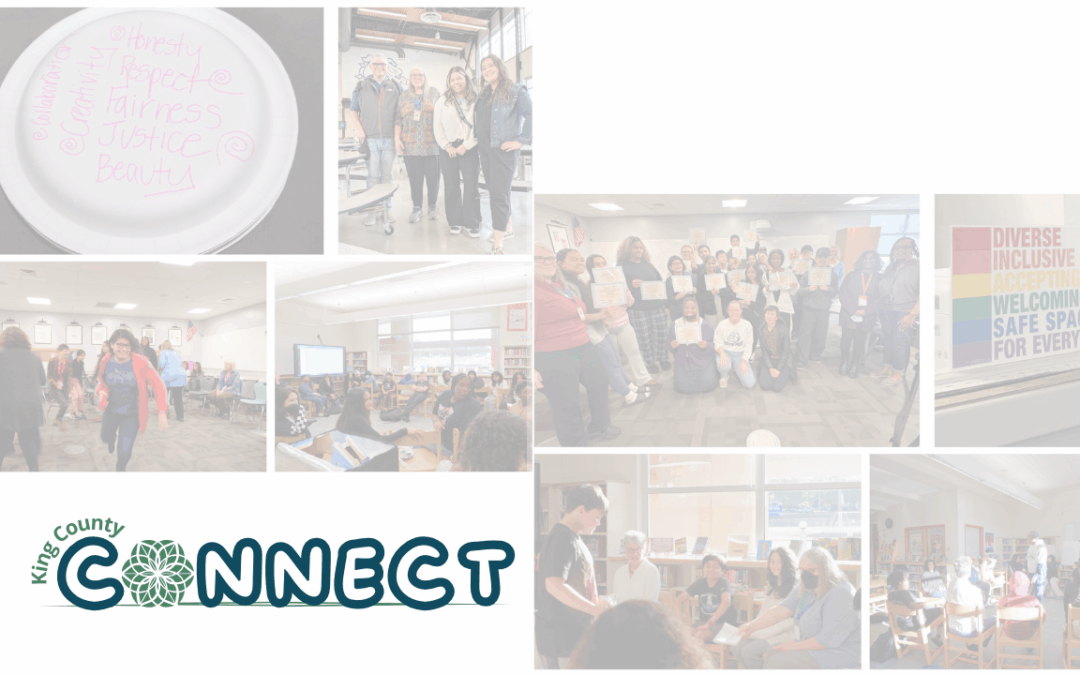
KC CONNECT ofrece dos formas de participar. Los colegios, las organizaciones sin ánimo de lucro dedicadas a la juventud y los grupos comunitarios pueden llevar los talleres directamente a las aulas, a los programas extraescolares, a los grupos juveniles o a entornos de participación familiar, adaptados en colaboración con el personal. Para las personas a título individual, el KCDRC también organiza talleres mensuales gratuitos en línea, abiertos a todos los jóvenes y familias del condado de King. Estas sesiones abarcan tres áreas temáticas: Fundamentos del conflicto (orígenes, comunicación, emociones e identidad); Desarrollo de habilidades (prácticas restaurativas, círculos familiares y conflictos digitales); y Conciencia crítica y poder cultural (el conflicto como cambio, círculos juveniles y recuperación del poder). En conjunto, estas opciones hacen que KC CONNECT sea accesible y responda a las necesidades de la comunidad.
Priorizar la inclusividad y la equidad
Tal y como explica Sharon, la fuerza de KC CONNECT reside en su carácter inclusivo. Cada participante sale del taller con herramientas prácticas para la comunicación y la resolución de problemas, pero también con la experiencia de sentirse escuchado y valorado. «Todo el mundo debería tener acceso a estas habilidades», reflexiona. «Cada persona que participa aprende nuevas formas de relacionarse que le ayudan a resolver sus propios problemas, a trabajar con los demás y a unirse como comunidad».
Una visión para el liderazgo juvenil
La visión de Fergie va más allá de los talleres y se extiende a un futuro módulo de liderazgo. Le apasiona ver cómo los jóvenes se adentran en espacios cívicos donde sus voces puedan influir en el cambio. Su esperanza es que KC CONNECT inspire a los jóvenes, especialmente a aquellos procedentes de comunidades históricamente excluidas de la toma de decisiones, a presentarse a los consejos consultivos del condado y del estado, y a verse a sí mismos como líderes capaces de dar forma a las políticas y las prioridades de la comunidad. Tal y como ella misma lo describe: «No se trata solo de ocupar un puesto en un consejo, sino de inspirar a los jóvenes para que sepan que tienen el poder de marcar la diferencia, de la forma que elijan».
Más que un programa: un movimiento
Esta transformación está estrechamente alineada con los valores del Centro de Resolución de Conflictos. Al centrarse en la sanación, la atención a las necesidades de la comunidad y la equidad, KC CONNECT garantiza que la resolución de conflictos no sea solo una herramienta para resolver problemas, sino también un medio para construir comunidades más fuertes y resilientes. Como señala Dave, director ejecutivo: «Esto no es solo un programa, es un movimiento. Estamos preparando a los niños para que se hagan cargo del mundo».
KC CONNECT es algo más que una continuación del trabajo realizado hasta ahora. Representa un cambio de enfoque: pasar de resolver conflictos uno a uno a dotar a comunidades enteras de las habilidades necesarias para sanar, liderar y promover el cambio. Es un programa arraigado en la historia, diseñado para el presente y que prepara a los líderes del mañana.
¡Infórmate o apúntate a un taller!
Este artículo se publicó originalmente en nuestro boletín informativo; suscríbete aquí.

por Meg S | 15 de julio de 2025
Uno de los programas principales que ofrece el Centro de Resolución de Conflictos del Condado de King (KCDRC) es la mediación familiar, en la que los mediadores del KCDRC ayudan a las personas a gestionar los planes de custodia, los divorcios u otros cambios y tensiones relacionados con la familia. En la mayoría de los casos, esto incluye a padres que deben acordar planes de custodia o modificar acuerdos existentes, así como situaciones de divorcio. No obstante, las mediaciones familiares también pueden abarcar otras cuestiones, como el cuidado de personas mayores por parte de hermanos o el reparto de responsabilidades compartidas entre familiares tras una pérdida.
A menudo, las partes acuden a una sesión de mediación familiar sintiéndose inseguras o resignadas. Durante la entrevista inicial, suelen comentar que ya han probado todo lo que se les ha ocurrido y que han planteado sus peticiones de diversas formas, a veces a lo largo de muchos años. Si hay menores de por medio, cada progenitor puede sentir que está actuando en el interés superior de los hijos, mientras que el otro no lo hace. La mediación no siempre se percibe como una opción esperanzadora, sino simplemente como algo que les ha indicado un tribunal o que figura en su plan de custodia y que tienen que intentar. La mediación familiar no consiste en arreglarlo todo en una sola conversación. Se trata de crear un espacio para que las personas en conflicto —a menudo personas con historias y responsabilidades compartidas— puedan salir de los viejos patrones y dispongan de un lugar donde comunicarse de otra manera. Para hablar con franqueza. Para ser escuchadas. Para imaginar cómo podría ser el futuro, aunque el camino no parezca claro.
¡La preparación es FUNDAMENTAL!
La autodeterminación es la piedra angular de una mediación familiar satisfactoria. A diferencia de los procedimientos judiciales tradicionales, la mediación pone el poder de decisión directamente en manos de las partes implicadas, lo que fomenta un sentido de responsabilidad y empoderamiento. Como explicó uno de los miembros del personal: «En el KCDRC, afortunadamente, no trabajamos a comisión y no necesitamos presionar a la gente para que recurra a nuestra mediación solo por el simple hecho de hacerlo. También prestamos un servicio a la comunidad asegurándonos de que las partes dispongan de la información y el apoyo necesarios para decidir qué es lo mejor para ellas entre las opciones disponibles».
Esa libertad y esas oportunidades conllevan una responsabilidad. Para que la mediación sea eficaz, cada parte debe decidir no solo recurrir a los servicios de mediación familiar del KCDRC, sino también comprometerse a prepararse a fondo y a participar de forma activa. La mediación familiar funciona mejor cuando las partes acuden preparadas, no solo con la documentación necesaria, sino también con una visión clara de la situación.
En el KCDRC, la gestión de casos familiares sienta las bases para que surjan opciones de resolución significativas, al ayudar a las partes a adquirir la perspectiva y las herramientas de comunicación que necesitan. El acompañamiento en la gestión de casos también ayuda a las personas a afrontar las emociones difíciles y las decisiones con las que tendrán que lidiar durante la mediación. El proceso de admisión de casos familiares del KCDRC ayuda a las partes a comprender las posibilidades reales de la mediación: qué puede ayudarles a resolver y qué no. Aunque no se celebre posteriormente una sesión de mediación con un acuerdo de conciliación, muchas personas encuentran alivio y claridad tras una entrevista inicial sobre asuntos familiares en el KCDRC. Durante estas entrevistas, se evalúa si los casos son aptos para la mediación y también proporcionamos numerosas referencias a recursos.
Apoyo a las partes
Cuando la admisión en el KCDRC da lugar a una sesión de mediación familiar, este proceso ayuda a las partes a acudir a la mediación con un objetivo claro y dispuestas a explorar posibles soluciones: ¿Qué información deben aportar las partes para que la conversación de mediación se desarrolle con fundamento? ¿Cuáles son las mejores, las peores y las opciones más realistas para cada una de ellas y para el resto de personas implicadas? Casi siempre, las partes no solo necesitan esta preparación, sino también un apoyo continuo durante la sesión de mediación familiar para expresar sus inquietudes con claridad y empatía.
Los mediadores familiares del KCDRC respetan que las partes sean las expertas en lo que respecta a su propia situación y no les dicen qué deben hacer ni les presionan para que acepten compromisos que quizá no estén dispuestas a cumplir o no puedan llevar a cabo. En cambio, los mediadores ayudan a los participantes a tomarse su tiempo, a identificar lo que realmente importa y a explorar opciones que ellos mismos —y no un tercero— podrán elegir. Cuando procede, se anima a las partes a consultar con un abogado para revisar cualquier acuerdo alcanzado. Las partes también pueden optar por que su abogado esté presente en la mediación.
Cambios en la conversación
Un cambio habitual que se produce durante la mediación familiar es la forma en que hablan las personas. Los mediadores suelen observar que, primero una de las partes y luego la otra, empiezan a utilizar expresiones como «desde mi punto de vista» o «lo que entiendo por lo que me dices es...». Como señala Beckey, mediadora del KCDRC Sukovaty comentó: «Gran parte de lo que hacemos como mediadores, y que resulta especialmente importante en las mediaciones familiares, consiste en ayudar a las personas a pasar de intentar demostrar que tienen razón a plantear preguntas. De culpar a centrarse en las realidades prácticas. De «esto es lo que siempre pasa» a «¿qué podríamos hacer de forma diferente de ahora en adelante?»» Son pequeños momentos, pero demuestran que la conversación está cambiando de rumbo. Lo que comenzó como una sensación de desesperanza y frustración está dando paso a un enfoque centrado en la resolución conjunta de problemas.
Esos cambios suelen conducir, aunque no siempre, a un acuerdo formal. Sin embargo, casi siempre significan que pueden concluir la mediación en una situación más favorable para ellos y sus familias que aquella en la que comenzaron. A veces, el mayor éxito en la mediación familiar no es un acuerdo firmado, sino un tono más conciliador, una pausa reflexiva mientras se escucha de verdad, la disposición a ver una historia familiar desde un nuevo ángulo o la elaboración de planes informales para seguir colaborando de una nueva forma con una mejor comunicación.

por Meg S | 14 de mayo de 2025
La prevención de ejecuciones hipotecarias a través de la mediación es una de las herramientas más eficaces e infrautilizadas de que disponen los propietarios de viviendas que se enfrentan a tensiones financieras. En el Dispute Resolution Center of King County (KCDRC), la mediación ayuda a los residentes a mantener conversaciones difíciles con los prestamistas, resolver malentendidos y encontrar alternativas antes de que la ejecución hipotecaria se convierta en una realidad.
Esta labor está estrechamente vinculada al programa HOMES-Homeowners' Outreach, Mentoring, and Education Services- que ayuda a personas mayores, veteranos y discapacitados a solicitar la exención del impuesto sobre bienes inmuebles del condado de King. Juntos, estos servicios proporcionan un apoyo significativo a los residentes en riesgo de inestabilidad de la vivienda.
¿Qué es la mediación?
La mediación es un proceso voluntario y confidencial en el que un tercero neutral ayuda a las personas a mantener conversaciones estructuradas y a llegar a acuerdos. En el KCDRC, nuestros mediadores formados no toman partido ni ofrecen asesoramiento jurídico. En su lugar, crean un espacio para el entendimiento, la resolución de problemas y la claridad en los momentos difíciles.
En el contexto de la vivienda, esto puede significar facilitar las conversaciones entre:
-
Propietarios de viviendas y administradores hipotecarios
-
Decisiones de propiedad compartida entre familiares
-
Propietarios de viviendas y funcionarios o asesores financieros del condado
Cómo ayuda la mediación a evitar la ejecución hipotecaria
Cuando los propietarios se retrasan en los pagos o tienen problemas con los impuestos, la comunicación suele romperse. La mediación sienta a todos a la mesa y ofrece una oportunidad para:
-
Aclarar la situación
-
Identificar opciones como planes de pago, desgravaciones fiscales o ajustes temporales.
-
Ponerse en contacto con recursos de apoyo, como asistencia jurídica y asesoramiento financiero.
-
Reconstruir la confianza y reducir la tensión emocional
La mediación puede ser especialmente eficaz cuando se combina con programas como HOMES (Homeowners' Outreach, Mentoring, and Education Services), que ayuda a los residentes que cumplen los requisitos a solicitar la exención del impuesto sobre bienes inmuebles del condado de King. Al abordar tanto el aspecto financiero como el relacional del estrés por la vivienda, los residentes tienen más probabilidades de encontrar una estabilidad a largo plazo.
Resultados en la vida real
Aunque cada situación es diferente, a continuación se exponen algunos resultados comunes de la mediación relacionada con la vivienda en el KCDRC:
-
Acuerdo sobre un nuevo calendario de amortización
-
Coordinación de la documentación relativa a la exención del impuesto sobre bienes inmuebles
-
Acuerdo familiar sobre propiedad compartida o responsabilidades financieras
-
Remisiones a asesores de vivienda o abogados cuando sea necesario
Cómo acceder a la ayuda
Si usted o alguien que usted conoce está en riesgo de ejecución hipotecaria o luchando con el estrés de la vivienda, llegar temprano. Cuanto antes comience la mediación, más opciones habrá disponibles.
Tú puedes:
No tiene por qué enfrentarse solo a una ejecución hipotecaria. La mediación puede ser el primer paso hacia la claridad, la estabilidad y la tranquilidad.