
Автор: Мег С | 15 июля 2026 г.
Вклад сообщества в обеспечение справедливости, стабильности и равных возможностей
Конфликты являются естественной частью любой рабочей среды, но если их не урегулировать, они могут подрывать моральный дух, производительность, сотрудничество и доверие. Последствия этого выходят за пределы рабочей среды и сказываются на сотрудниках, работодателях, семьях и сообществах в виде потери производительности, текучести кадров, финансовых затрат и ухудшения взаимоотношений.
Посредничество на рабочем месте предоставляет сотрудникам и организациям возможность добровольно, конфиденциально и по доступной цене разрешать конфликты при поддержке заслуживающего доверия и нейтрального специалиста. Процесс посредничества, учитывающий культурные особенности, исходит из того, что культура, идентичность, стили общения и жизненный опыт определяют то, как люди воспринимают конфликт. Создавая атмосферу уважения и инклюзивности, в которой услышано каждое мнение, посредничество помогает достичь взаимопонимания, укрепить отношения и разрешить споры до их эскалации.
Большинство сотрудников, работающих на полную ставку, проводят в будние дни больше времени в бодрствовании с коллегами, чем со своими семьями. Здоровая и инклюзивная рабочая среда — это не просто дополнительное преимущество, а залог благополучия сотрудников, успеха организации и процветания сообществ.
KCDRC предоставляет услуги медиации на рабочем месте на всей территории округа Кинг, помогая коллегам, командам и организациям решать сложные споры, улучшать коммуникацию и находить практические решения. Благодаря безопасному и четко структурированному процессу медиация способствует восстановлению доверия, укреплению сотрудничества и созданию более благоприятной рабочей среды.
Несколько замечаний от наших посредников
Два посредника — больший эффект:
Совместная медиация привносит дополнительную ценность в процесс медиации. Благодаря услугам по медиации в сообществе, предоставляемым KCDRC, мы имеем возможность проводить совместную медиацию по многим спорам, в том числе по сложным многосторонним конфликтам на рабочем месте.
Наличие двух медиаторов означает больше точек зрения, более внимательное выслушивание и более глубокое понимание опасений и целей каждой из сторон. Перед сессией мы можем сравнить свои наблюдения, разработать стратегии и подготовиться к возможным сложностям. Во время медиации один медиатор может направлять ход беседы, а другой — наблюдать за динамикой, отмечать важные моменты и способствовать продуктивности обсуждения.
Совместное посредничество также способствует достижению более четких договоренностей, позволяя нам сосредоточиться как на самом разговоре, так и на деталях урегулирования. Не менее важно то, что оно дает нам возможность анализировать ситуацию, учиться друг у друга и постоянно совершенствовать нашу практику.
Мы пришли к выводу, что в сложных спорах совместная медиация способствует укреплению как самого процесса, так и его результатов. Узнайте о способах урегулирования споров здесь.
Начнём с того, что для нас важно:
Один простой вопрос может стать началом содержательного разговора: «Расскажите мне о своём любимом месте работы».
Ответы редко касаются должностей или заработной платы. Люди рассказывают о тех местах работы, где они чувствовали уважение, доверие, поддержку и чувство общности. Они вспоминают командную работу, открытое общение, смех и общее стремление к достижению цели.
Эти истории зачастую выявляют общие черты даже у людей, находящихся в конфликте. Уделяя особое внимание общим ценностям, таким как доверие, справедливость и чувство принадлежности, команды могут выйти за рамки простого решения проблем и приступить к созданию такой рабочей среды, частью которой они хотели бы быть.
Потребность весьма значительна: пять фактов о стоимости конфликтов на рабочем месте
1. Конфликты приводят к скрытым затратам в размере миллиардов. Американские сотрудники тратят 2,8 часа в неделю на урегулирование конфликтов — это 359 миллиардов долларов в виде оплачиваемых часов в год или 385 миллионов потерянных рабочих дней. Эта цифра относится к 2008 году; сегодняшние показатели, почти наверняка, выше. (Отчет CPP Global Human Capital Report, 2008)
2. Наибольший ущерб несут небольшие организации: Для малых предприятий, некоммерческих организаций и общественных объединений цена неразрешенного конфликта может оказаться особенно разрушительной.
- Конфликты на рабочем месте приводят к:
- Текучесть кадров и проблемы с подбором персонала
-
- Снижение производительности и ухудшение морального духа
-
- Напряженные отношения между сотрудниками и руководством
-
- Повышенный риск дорогостоящих судебных споров
- Исследования показывают:
- 51 % сотрудников задумывались об уходе с работы из-за конфликтов на рабочем месте
-
- 41 % уволились с работы из-за конфликта
-
- Замена сотрудника может обойтись 50–200 % его годового оклада
Источники: Сборник исследований по конфликтам на рабочем месте (2026); исследование SHRM по текучести кадров и затратам на найм персонала. по данным Аллена и Унгера (2025).
3. Многим организациям нужна поддержка: Большинство работодателей стремятся эффективно решать конфликты, но многим из них не хватает для этого ресурсов и опыта.
- 72 % организаций не имеют официальной политики урегулирования конфликтов
- 98 % сотрудников признают важность обучения навыкам урегулирования конфликтов
- Лишь 27 % руководителей оцениваются как обладающие высокими навыками управления конфликтами
Некоммерческий центр по урегулированию споров восполняет этот серьезный пробел, предоставляя нейтральные и доступные услуги, которые многие организации не могут организовать собственными силами.
Источники: Сборник статистических данных о конфликтах на рабочем месте (2026 г.); Исследование конфликтов, проведенное компанией «Майерс-Бриггс».
4. Медиация позволяет добиться лучших результатов: медиация помогает людям решать конфликты напрямую, с уважением и на основе сотрудничества.
- Медиация приносит результаты и укрепляет доверие.
- В 2024 финансовом году 71,2 % жалоб на дискриминацию на рабочем месте, рассмотренных при посредничестве EEOC, были урегулированы
-
- Почти половина соглашений, достигнутых в ходе медиации, включала меры, выходящие за рамки финансовых урегулирований, такие как обучение, совершенствование политики или восстановление на работе
-
- 96 % участников готовы были бы снова воспользоваться услугами медиации
-
- 98,6 % работодателей готовы воспользоваться услугами посредничества вновь
Медиация позволяет сохранить отношения, способствует повышению ответственности и позволяет найти решения, которые зачастую недостижимы в рамках судебного разбирательства.
Источники: данные Комиссии США по равным возможностям в сфере занятости за 2024 финансовый год; оценка программы посредничества EEOC (2023 г.).
5. Судебные разбирательства отнимают время и деньги. Средняя стоимость иска, связанного с трудовыми отношениями, составляет 160 000 долларов, а судебное разбирательство затягивается на 318 дней. Большинство процедур медиации на рабочем месте завершаются за одно заседание продолжительностью 3–4 часа — это позволяет работодателям оставаться платежеспособными, сотрудникам — продолжать работать, а делам — не доходить до суда. (Руководство Hiscox по судебным искам работников; данные EEOC).
Итог:
Посредничество на рабочем месте оказывает долгосрочное влияние, превращая конфликты в возможности для взаимопонимания, сотрудничества и позитивных изменений. Представляя собой более быструю, доступную и эффективную альтернативу традиционным способам урегулирования споров, посредничество помогает людям находить решения, которые укрепляют отношения и восстанавливают доверие.
Преимущества этого подхода выходят далеко за рамки отдельных конфликтов. Медиация способствует созданию более здоровой рабочей среды, укрепляет устойчивость организаций и помогает сделать округ Кинг более сильным и сплочённым. Вкладывая средства в конструктивный диалог и справедливое урегулирование споров, мы поддерживаем работодателей, сотрудников и партнёров из местного сообщества, чьи совместные усилия способствуют процветанию нашего сообщества.
Узнать о разрешении
Эта статья впервые была опубликована в нашем ежемесячном информационном бюллетене. Подписаться можно здесь.
Автор: Мег С | 18 марта 2026 г.
В любых отношениях возникают трения. Сосед по комнате, который оставляет грязную посуду в раковине, партнер, у которого другой подход к деньгам, друг, который отменяет планы в последнюю минуту. Конфликты — неотъемлемая часть человеческих отношений. То, что отличает успешные отношения от тех, которые распадаются, зачастую заключается не в том, возникают ли конфликты, а в том, как люди с ними справляются. Именно здесь и приходит на помощь понимание стилей поведения в конфликте.
Что такое стили конфликта?
Стили ведения конфликтов — это привычные модели поведения, к которым мы прибегаем при возникновении разногласий. Можно представить их как ваш «режим по умолчанию» в стрессовой ситуации. Некоторые люди бросаются вперед, стремясь немедленно разобраться в ситуации. Другие отступают, надеясь, что проблема решится сама собой. Ни один из этих подходов не является по сути неправильным, но проблемы возникают, когда ваш стиль вступает в противоречие со стилем другого человека или когда вы применяете один и тот же подход ко всем ситуациям, не учитывая контекст.
Наиболее широко используемая концептуальная основа для понимания типов личности в конфликтных ситуациях основана на модели Томаса-Килмана, в которой стили распределяются по двум осям: напористость (насколько вы ставите во главу угла свои собственные потребности) и готовность к сотрудничеству (насколько вы ставите во главу угла потребности другого человека). В результате выделяется пять различных стилей.
Пять стилей конфликтного поведения
Соревнования
Высокая напористость, низкая готовность к сотрудничеству.
- Конкуренты рассматривают конфликт как игру с нулевой суммой. Они решительно отстаивают свою позицию, порой в ущерб отношениям. Такой стиль может быть эффективен в чрезвычайных ситуациях или когда необходимо твердо отстаивать неприкосновенные ценности, но чрезмерное его использование может вызвать у других ощущение, что их просто задавливают.
Как избежать
Низкая напористость, низкая готовность к сотрудничеству.
- Люди, склонные к избеганию, вообще обходят конфликты стороной. Они меняют тему, уходят из комнаты или позволяют проблемам тлеть бесконечно. Иногда избегание носит стратегический характер, ведь не за каждую мелочь стоит сражаться до последнего. Однако хроническое избегание приводит к накоплению обид и мешает найти реальное решение.
Удобный
Низкая напористость, высокая склонность к сотрудничеству.
- Люди, склонные к уступчивости, ставят гармонию и счастье другого человека превыше всего, зачастую в ущерб собственным потребностям. Они умеют сглаживать конфликты, но постоянное самопожертвование может породить обиду и подорвать самоуважение.
Компромиссный
Умеренная напористость, умеренная готовность к сотрудничеству.
- Сторонники компромисса ищут золотую середину, при которой каждая сторона идет на небольшие уступки. Это практичный и эффективный подход, который хорошо подходит для решений, не имеющих большого значения. Каков минус? Обе стороны могут остаться лишь частично удовлетворёнными, а основные проблемы могут остаться нерешёнными.
Сотрудничество
Высокая напористость, высокая готовность к сотрудничеству.
- Партнеры тщательно анализируют конфликт, стремясь найти решение, которое в полной мере учитывало бы интересы обеих сторон. Такой подход требует времени, доверия и искреннего интереса. Когда он работает, он укрепляет отношения. Когда же его пытаются применить к незначительным вопросам, это может вызывать чувство изнурения.
Почему важен ваш стиль по умолчанию
У большинства из нас есть один или два стиля поведения, к которым мы инстинктивно прибегаем. Эти «шаблоны» формируются в раннем возрасте под влиянием семейных отношений, культуры и прошлого опыта. Возможно, вы научились избегать конфликтов в нестабильной семье или развили в себе дух соперничества в условиях, когда высказываться было единственным способом быть услышанным.
Проблема в том, что стандартный подход — это всего лишь привычка, а не стратегия. Общение в отношениях улучшается, когда вы можете выбирать подход в зависимости от ситуации, а не прибегать каждый раз к одному и тому же сценарию. Цель — гибкость.
Как определить свой стиль поведения в конфликте
В следующий раз, когда возникнет напряжение, прислушайтесь к своим инстинктам:
- Вы склоняетесь к конфликту или отступаете? Движение в сторону конфликта свидетельствует о склонности к соперничеству или сотрудничеству. Движение в противоположную сторону указывает на стремление избежать конфликта или пойти на уступки.
- Что для вас важнее всего? Ставить свои потребности на первое место — значит вступать в конкуренцию. Ставить отношения на первое место — значит идти на уступки.
- Как вы себя чувствуете после этого? Обида часто свидетельствует о том, что вы пошли на уступки или старались избежать конфликта. Удовлетворение от частичных решений указывает на компромисс.
Вы также можете спросить у людей, которым доверяете, как они переживают конфликты с вами. Их точка зрения часто помогает обнаружить «слепые зоны».
Практические советы по урегулированию конфликтов в отношениях
1. Опишите, что происходит.
- Если вы заметили несоответствие в подходах, аккуратно обратите на это внимание. «Мне кажется, я стараюсь избежать этого разговора, а ты хочешь разобраться в этом прямо сейчас. Может, найдём компромисс?» Это позволяет сменить конфликтную динамику на конструктивную.
2. Подбирайте стиль в соответствии с важностью дела.
- Сохраняйте совместную работу для вопросов, которые действительно важны: ценности, повторяющиеся ситуации, решения, имеющие долгосрочные последствия. Не обращайте внимания на мелкие раздражители или разрешайте их с помощью быстрого компромисса.
3. Разграничивайте человека и проблему.
- Сосредоточьтесь на конкретной проблеме и поведении, а не на общих суждениях вроде «Ты всегда закрываешься в себе» или «Тебе нужно во всем побеждать».
4. Проявите интерес к стилю собеседника.
- Задавайте вопросы, а не делайте предположений. Фраза «Что помогло бы вам почувствовать, что вас сейчас выслушали?» свидетельствует об уважении к тому, как он или она переживает ситуацию.
5. Потренируйтесь в том стиле, которым вы пользуетесь реже.
- Если вы всегда вступаете в соревнование, попробуйте по-настоящему пойти навстречу. Если вы всегда уклоняетесь от конфликтов, попробуйте оставаться в разговоре на пять минут дольше, чем вам кажется комфортным.
Более широкий взгляд на ситуацию
Понимание типов личности в конфликтных ситуациях не заключается в том, чтобы навешивать ярлыки на себя или на других. Речь идет о расширении своего арсенала средств общения. Лучшие коммуникаторы умеют соперничать, когда это необходимо, сотрудничать, когда это важно, с достоинством идти навстречу, эффективно идти на компромисс и уходить от споров, которые не стоят того, чтобы в них вступать.
Конфликт не обязательно разрушает отношения. Если с ним правильно обращаться, он укрепляет доверие, углубляет взаимопонимание и создает благоприятную атмосферу для подлинной близости. Первый шаг — осознать свои поведенческие модели. Следующий — сознательно выбрать, как вы хотите себя вести.
Хотите узнать больше? Ознакомьтесь с нашими программами обучения по урегулированию конфликтов.
Автор: Мег С | 29 января 2026 г.
Когда возникают конфликты — будь то в сфере бизнеса, в семье или в сообществе — многие люди полагают, что их единственный выход — сразу обращаться в суд. Однако существует и другой путь, который зачастую оказывается более эффективным, менее затратным и гораздо менее стрессовым: медиация. Если вы когда-нибудь задавались вопросом «что такое медиация?» или как этот процесс может помочь в урегулировании вашего спора, то вы попали по адресу.
Понимание медиации: основы
Медиация — это добровольный и конфиденциальный процесс, в ходе которого нейтральная третья сторона помогает людям, находящимся в конфликте, самостоятельно найти решение. В отличие от судьи, который принимает решения за вас, медиатор способствует диалогу и помогает сторонам конфликта прийти к взаимоприемлемым договоренностям.
Представьте себе медиацию как возможность пообщаться с опытным собеседником, который поможет вам и другой стороне более эффективно общаться, рассмотреть варианты, о которых вы, возможно, не задумывались, и выработать решения, которые действительно устроят всех участников процесса. Речь идет не о победе или поражении, а о поиске пути вперед, который устроит всех.
Как проходит медиация?
Процесс медиации, как правило, состоит из следующих основных этапов. Во-первых, каждая сторона излагает свою точку зрения на ситуацию, не прерываясь. Речь идет не о том, чтобы доказать, кто прав, а кто виноват, а о том, чтобы понять опасения и интересы каждого участника.
Далее посредник помогает выявить ключевые вопросы, требующие решения, при этом часто выясняется, что реальные проблемы отличаются от того, из-за чего, как казалось участникам изначально, они и спорят. Затем все стороны совместно обсуждают возможные варианты решения. Такой совместный подход часто приводит к творческим результатам, которые ни один человек не смог бы достичь в одиночку. Наконец, под руководством посредника стороны работают над достижением соглашений, которые учитывают наиболее важные потребности и интересы всех участников.
Чем медиация отличается от судебного разбирательства?
В отличие от судебного разбирательства, медиация возвращает вам контроль над ситуацией. Вы сохраняете право принимать решения, поскольку ни один судья не навязывает вам какое-либо решение. Вместо этого вы сами вырабатываете договоренности, которые подходят именно для вашей конкретной ситуации. Всё, что обсуждается в ходе медиации, остаётся конфиденциальным, а совместный характер этого процесса часто помогает людям двигаться вперёд, улучшая взаимопонимание, а не разрушая отношения.
Большинство процедур медиации завершаются за часы или дни, а не за месяцы или годы, и, как правило, обходятся в разы дешевле, чем судебное разбирательство. И, пожалуй, самое главное — вы получаете решения, в выработке которых принимали участие сами, а не решения, навязанные кем-то, кто не до конца понимает ваши конкретные обстоятельства.
Роль нейтральной третьей стороны
Опытный медиатор — это не просто арбитр. Он создает безопасную атмосферу для честного диалога и помогает сторонам общаться более эффективно. Он задает вопросы, которые позволяют выявить скрытые интересы и потребности, направляет беседу в русло конструктивного решения проблем и обеспечивает всем участникам возможность высказаться в ходе процесса.
Посредник не принимает ничью сторону, не дает юридических консультаций и не принимает решений за вас. Вместо этого он содействует процессу, который позволяет вам самостоятельно урегулировать спор. Считайте его своим проводником, который помогает вам вести диалог и рассматривать варианты, о которых вы, возможно, не подумали бы самостоятельно.
В каких случаях может помочь медиация?
Медиация эффективно работает практически в любом конфликте, когда людям необходимо совместно найти путь к решению проблемы. Этот процесс особенно хорошо себя зарекомендовал в ситуациях, когда важны межличностные отношения, а творческие решения могут принести пользу всем участникам.
- Семейные конфликты часто сопровождаются сильными эмоциями и затронутыми длительными отношениями, что делает медиацию особенно ценной. Вопросы, связанные с бракоразводным процессом, опекой над детьми и графиком посещений, можно урегулировать с меньшими эмоциональными потрясениями и с большим упором на то, что лучше для всех, особенно для детей. Споры о наследстве, решения об уходе за пожилыми родственниками, а также разногласия между братьями и сестрами или другими членами семьи можно урегулировать, сохранив при этом семейные узы, которые судебные тяжбы могут разрушить навсегда.
Вопросы жилья и недвижимости:
- Конфликты, связанные с жильем, создают особые сложности, поскольку людям зачастую приходится продолжать жить или работать в непосредственной близости друг от друга. Споры между арендодателями и арендаторами по поводу залоговых депозитов, нарушений условий аренды или содержания недвижимости можно урегулировать без затрат времени и средств, связанных с процедурой выселения. В конфликтах между соседями, связанных с границами участков, проблемами шума или общими подъездными путями, медиация позволяет найти практические решения, способствующие мирному сосуществованию людей.
Вопросы, касающиеся прав потребителей и мелких исков:
- Многие повседневные споры, которые в противном случае могли бы оказаться в суде по мелким искам, можно урегулировать более удовлетворительным образом с помощью медиации. Жалобы потребителей на некачественные товары, споры с подрядчиками по поводу оказания услуг и претензии по гарантии зачастую приводят к лучшим результатам, когда обе стороны совместно ищут пути решения. В таких ситуациях часто речь идет о недопонимании или несоответствии ожиданий, и медиация позволяет урегулировать их более эффективно, чем решение судьи.
- В спорах, возникающих на рабочем месте, медиация зачастую оказывается эффективным средством, поскольку сотрудникам и работодателям, как правило, необходимо сохранить рабочие отношения. Иски о дискриминации, жалобы на домогательства и споры о неправомерном увольнении иногда можно урегулировать таким образом, чтобы устранить лежащие в их основе проблемы на рабочем месте и при этом учесть интересы всех сторон. Даже в тех случаях, когда трудовые отношения не удается сохранить, медиация зачастую приводит к более удовлетворительным результатам, чем официальное судебное разбирательство.
- Конфликты в сообществах требуют особого внимания к существующим взаимоотношениям и общим интересам. Споры в ассоциациях домовладельцев, разногласия по поводу ресурсов сообщества и конфликты между соседями можно урегулировать с помощью медиации, предлагая решения, которые учитывают потребности всех участников в мирном сосуществовании в одном районе. В этих спорах часто участвуют люди, которым предстоит регулярно взаимодействовать друг с другом, что делает подход медиации, направленный на сохранение взаимоотношений, особенно ценным.
Ключевым условием во всех этих ситуациях и других сферах конфликтов является готовность всех сторон добровольно участвовать в процессе и действовать добросовестно. Когда люди садятся за стол переговоров, готовые выслушать друг друга, поделиться своими точками зрения и работать над поиском решений, медиация может оказаться чрезвычайно эффективным средством преобразования конфликта в сотрудничество.
Почему стоит выбрать медиацию?
Помимо практических преимуществ, таких как оперативность и экономия средств, медиация предлагает нечто уникальное: возможность быть услышанным и активно участвовать в решении собственных проблем. В суде вы излагаете свою позицию и ждете, пока кто-то другой примет решение, определяющее ваше будущее. В рамках медиации вы выступаете в качестве активного участника процесса выработки решений, которые отражают ваши реальные потребности и приоритеты.
Многие люди считают, что медиация расширяет их возможности, поскольку она исходит из того, что те, кто находится ближе всего к конфликту, зачастую лучше всех его понимают и имеют наилучшие возможности для выработки действенных решений. Когда вы участвуете в разработке соглашения, у вас появляется больше мотивации его выполнять, поскольку в нем учитываются те аспекты, которые для вас наиболее важны.
Введение в медиацию
Если вы столкнулись с конфликтом и задаетесь вопросом, может ли медиация помочь, попробуйте ответить на следующие вопросы:
- Все ли стороны готовы участвовать в этом на добровольной основе?
- Важно ли для вас сохранять отношения?
- Хотите ли вы иметь больше контроля над исходом дела, чем предоставил бы суд?
- Вы ищете конфиденциальный способ решения проблем?
- Не хотели бы вы, чтобы этот процесс был быстрее и дешевле?
- Вы предпочитаете совместно искать решения, а не спорить?
Если вы ответили «да» на любой из этих вопросов, медиация может стать отличным решением в вашей ситуации. Чтобы получить дополнительную информацию или записаться на медиацию, нажмите здесь.
Двигаемся вперёд
Медиация представляет собой иной подход к восприятию конфликтов. Вместо того чтобы рассматривать споры как сражения, в которых нужно одержать победу, медиация рассматривает их как проблемы, которые необходимо решать совместно. Этот подход исходит из того, что устойчивые решения рождаются из понимания потребностей друг друга и совместной работы над достижением соглашений, которые устроят всех участников.
Когда в вашей жизни возникают споры, помните, что обращение в суд — не единственный вариант. Медиация предлагает путь, который учитывает мнение каждого, защищает важные отношения и дает вам возможность найти решения, которые действительно подходят именно для вашей конкретной ситуации. Речь идет о том, чтобы найти путь, позволяющий каждому сохранить своё достоинство и при этом решить стоящие перед вами реальные проблемы.
Независимо от того, сталкиваетесь ли вы с деловым разногласием, семейным конфликтом или спором в сообществе, медиация предоставляет инструменты и рамки, позволяющие перейти от конфликта к его урегулированию, сохранив при этом ваши отношения, ресурсы и душевное спокойствие. Иногда лучшие решения — это те, которые мы создаем вместе!
Автор: Мег С | 24 сентября 2025 г.
Наследие сверстнической медиации
Завершение программ межровественной медиации KCDRC ознаменовало не только конец одной главы, но и начало новой концепции. На протяжении многих лет межровественная медиация давала молодым людям возможность проявить лидерские качества, разрешая споры, внимательно выслушивая собеседников и укрепляя доверие со своими сверстниками. Этот опыт зародил идею о том, что молодые люди не только способны решать конфликты, но и обладают уникальными возможностями для того, чтобы вести свои сообщества к переменам.
Искра, разгоревшаяся на фоне глобального конфликта
Идея создания KC CONNECT уже зародилась, уходя корнями в многолетнюю работу по развитию молодежи и диалогу с местным сообществом. Но в начале этого года, когда по всему миру развернулись события, связанные с конфликтами, особенно когда появились кадры разлучения семей в Лос-Анджелесе во время рейдов ICE, эта искра превратилась в чёткое видение. Эти моменты подчеркнули настоятельную необходимость подготовить молодёжь и семьи не только к решению повседневных споров, но и к тому, чтобы справляться с системной несправедливостью, совместно преодолевать травмы и брать на себя лидерские роли. Именно из этой убеждённости и родилась концепция KC CONNECT.
Строим на прочном фундаменте
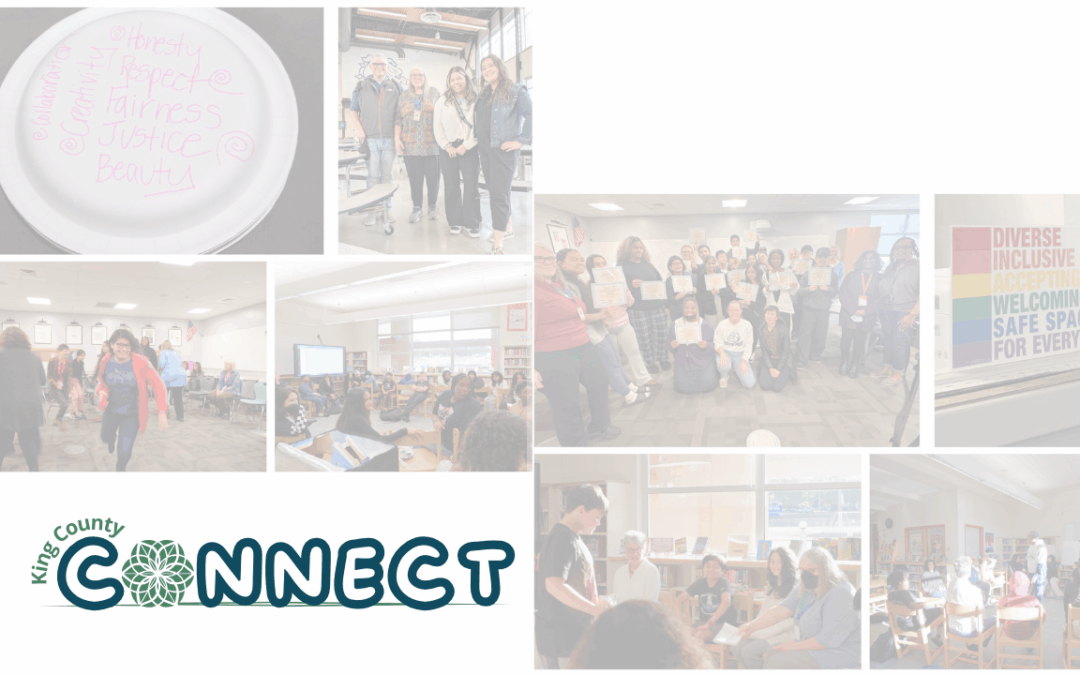
Программа KC CONNECT опирается на опыт межличностной медиации и уроки, извлеченные из пилотной программы «Bridge», реализованной в 2024 году. На этой основе были сформулированы два важных вывода: во-первых, разрешение конфликтов — это дело каждого, а не только специально подготовленных медиаторов; во-вторых, диалог, ориентированный на исцеление, способен укрепить целые сообщества. Вместо того чтобы ограничивать доступ к этим навыкам избранной группой студентов-медиаторов, программа KC CONNECT открывает его для молодежи и семей по всему округу Кинг.
Как принять участие
KC CONNECT предлагает два способа участия. Школы, некоммерческие организации, работающие с молодежью, и общественные группы могут проводить семинары непосредственно в классах, в рамках внешкольных программ, в молодежных группах или в форматах взаимодействия с семьями, разработанных в сотрудничестве с персоналом. Для отдельных участников KCDRC также ежемесячно проводит бесплатные онлайн-семинары, открытые для всех молодых людей и семей округа Кинг. Эти занятия охватывают три направления: «Основы конфликта» (причины, коммуникация, эмоции и идентичность), «Развитие навыков» (восстановительные практики, семейные круги и конфликты в цифровой среде) и «Критическое сознание и культурная сила» (конфликт как изменение, молодежные круги, возвращение власти). В совокупности эти варианты делают программу KC CONNECT доступной и отвечающей потребностям сообщества.
В центре внимания — инклюзивность и равенство
Как объясняет Шэрон, сила программы KC CONNECT заключается в её инклюзивности. Каждый участник покидает семинар не только с практическими навыками общения и решения проблем, но и с ощущением, что его услышали и ценят. «Каждый должен иметь доступ к этим навыкам», — размышляет она. «Каждый участник узнаёт новые способы взаимодействия, которые помогают ему решать собственные проблемы, работать с другими и объединяться в сообщество».
Концепция лидерства молодежи
Видение Ферги выходит за рамки семинаров и включает в себя будущий модуль по лидерству. Она с энтузиазмом наблюдает за тем, как молодые люди выходят на общественную арену, где их голоса могут повлиять на изменения. Она надеется, что программа KC CONNECT вдохновит молодежь, особенно представителей сообществ, исторически лишенных возможности участвовать в принятии решений, подавать заявки на вступление в консультативные советы округа и штата и воспринимать себя как лидеров, способных формировать политику и приоритеты сообщества. Как она сама описывает: «Дело не просто в месте в совете, а в том, чтобы вдохновить молодежь и дать ей понять, что у них есть сила изменить ситуацию к лучшему — каким бы способом они ни выбрали».
Больше, чем просто программа: целое движение
Эта трансформация тесно перекликается с ценностями Центра по урегулированию споров. Ставя во главу угла исцеление, отзывчивость к потребностям сообщества и равенство, KC CONNECT гарантирует, что урегулирование конфликтов является не просто инструментом для решения проблем, но и средством построения более сильных и устойчивых сообществ. Как отмечает Дэйв, исполнительный директор: «Это не просто программа, это целое движение. Мы готовим детей к тому, чтобы они завоевали мир».
Программа KC CONNECT — это не просто продолжение прежней работы. Она олицетворяет смену подхода: от урегулирования конфликтов по отдельности к вооружению целых сообществ навыками, необходимыми для преодоления травм, лидерства и продвижения перемен. Это программа, уходящая корнями в историю, созданная для сегодняшнего дня и готовящая лидеров завтрашнего дня.
Узнайте больше или запишитесь на мастер-класс!
Эта статья первоначально была опубликована в нашем информационном бюллетене. Подписаться можно здесь.

Автор: Мег С | 15 июля 2025 г.
Одной из основных программ, предлагаемых Центром урегулирования споров округа Кинг (KCDRC), является семейная медиация, в рамках которой медиаторы KCDRC оказывают поддержку людям, сталкивающимся с вопросами составления планов воспитания детей, разводом или другими изменениями и конфликтами в семье. Чаще всего речь идет о родителях, совместно разрабатывающих планы воспитания или вносящих изменения в существующие соглашения, а также о разводах. Однако семейная медиация может также касаться других вопросов, таких как организация братьями и сёстрами ухода за пожилыми родственниками или распределение совместных обязанностей между членами семьи после утраты близкого человека.
Стороны часто приходят на сеанс семейной медиации, испытывая неуверенность или смирение. Во время вступительной беседы они часто рассказывают, что уже перепробовали всё, что только могли придумать, и обращались с просьбами различными способами, порой на протяжении многих лет. Если в ситуации задействованы дети, каждый из родителей может считать, что действует в их лучших интересах, в то время как другой родитель — нет. Медиация не всегда вызывает надежду — это просто то, что им велел суд или что было прописано в плане воспитания детей, и что они должны попробовать. Семейная медиация не ставит целью решить все проблемы за один разговор. Ее цель — создать пространство для людей, находящихся в конфликте, зачастую имеющих общую историю и общие обязанности, чтобы они смогли выйти из старых шаблонов и обрести возможность общаться по-другому. Говорить откровенно. Быть услышанными. Представить себе, как может выглядеть движение вперед, даже если путь кажется неясным.
Подготовка — это КЛЮЧ!
Самоопределение — это краеугольный камень успешной семейной медиации. В отличие от традиционных судебных разбирательств, медиация передаёт право принятия решений непосредственно в руки вовлечённых сторон, способствуя формированию чувства ответственности и расширения возможностей. Как пояснил один из сотрудников: «В KCDRC, к счастью, мы не работаем на комиссионных и не нуждаемся в том, чтобы давить на людей, заставляя их прибегать к нашей медиации просто ради самой процедуры. Мы также служим обществу, обеспечивая сторонам информацию и поддержку, необходимые для того, чтобы они могли выбрать из доступных вариантов то, что лучше всего для них».
Эта свобода и возможность сопряжены с ответственностью. Для того чтобы медиация была эффективной, каждая сторона принимает решение не только воспользоваться услугами KCDRC по семейной медиации, но и взять на себя обязательство тщательно подготовиться и сознательно участвовать в процессе. Семейная медиация дает наилучшие результаты, когда стороны приходят на встречу подготовленными — не только с документами, но и с глубоким пониманием ситуации.
В KCDRC управление семейными делами создает основу для конструктивных вариантов урегулирования, помогая сторонам обрести необходимую точку зрения и освоить инструменты коммуникации. Коучинг по управлению делами также помогает людям справиться со сложными эмоциями и принятием решений, с которыми им придется столкнуться в ходе медиации. Процесс первичного приема по семейным вопросам в KCDRC помогает сторонам понять реальные возможности медиации: что она может помочь им решить, а что — нет. Даже если за этим не последует сессия медиации с заключением мирового соглашения, многие люди обретают облегчение и ясность после вступительной беседы в KCDRC по семейным делам. В ходе таких бесед дела проходят отбор на предмет пригодности для медиации, и мы также предоставляем множество рекомендаций по дополнительным ресурсам.
Поддержка сторон
Когда обращение в KCDRC действительно приводит к проведению сеанса семейной медиации, этот процесс помогает сторонам подойти к медиации с четкой целью и готовностью обсудить возможные результаты: какую информацию необходимо предоставить сторонам, чтобы сделать переговоры в рамках медиации более конструктивными? Каковы лучшие, худшие и наиболее реалистичные варианты для каждой из сторон, а также для других участников процесса? Сторонам почти всегда требуется не только такая подготовка, но и постоянная поддержка во время сеанса семейной медиации, чтобы они могли четко и с пониманием выражать свои опасения.
Семейные медиаторы KCDRC исходят из того, что стороны лучше всех разбираются в своей ситуации, и не указывают людям, что им делать, а также не подталкивают их к компромиссам, которые те, возможно, не захотят или не смогут выполнить. Вместо этого медиаторы помогают участникам не торопиться, определить, что действительно важно, и рассмотреть варианты, выбор которых остается за ними самими, а не за третьей стороной. В случае необходимости сторонам рекомендуется проконсультироваться с адвокатом для проверки заключенного соглашения. Стороны также могут принять решение о присутствии своего адвоката на сеансе медиации.
Изменения в ходе беседы
Одним из типичных изменений, наблюдаемых в ходе семейной медиации, является изменение манеры речи участников. Медиаторы часто замечают, что сначала одна из сторон, а затем и другая начинают использовать такие выражения, как «с моей точки зрения» или «я понимаю вас так, что…». Как отмечает медиатор KCDRC Бекки Суковаты рассказал: «Большая часть того, чем мы занимаемся как медиаторы — и что особенно важно в семейной медиации, — заключается в том, чтобы помочь людям перейти от попыток доказать свою правоту к постановке вопросов. От обвинений к сосредоточению на практических реалиях. От «так всегда бывает» к «что мы могли бы сделать по-другому в будущем?»» Это всего лишь небольшие моменты, но они показывают, что характер разговора меняется. То, что начиналось с чувства безнадежности и разочарования, теперь превращается в стремление к совместному решению проблем.
Эти изменения зачастую, хотя и не всегда, приводят к заключению официального соглашения. Однако они почти всегда означают, что участники могут завершить медиацию в ситуации, которая будет более благоприятной для них самих и их семей, чем та, с которой они начинали. Иногда самым большим успехом в семейной медиации является не подписанное соглашение, а смягчение тона, вдумчивая пауза, во время которой люди действительно слушают друг друга, готовность посмотреть на привычную ситуацию с новой точки зрения или составление неформальных планов по дальнейшему сотрудничеству в новом формате с более эффективным общением.

по ссылке Мэг С | 14 мая 2025 г.
Предотвращение взыскания через посредничество - один из самых эффективных и недостаточно используемых инструментов, доступных домовладельцам, столкнувшимся с финансовым стрессом. В Центре разрешения споров округа Кинг (KCDRC) медиация помогает жителям вести трудные разговоры с кредиторами, разрешать недоразумения и находить альтернативные варианты до того, как лишение права выкупа станет реальностью.
Эта работа тесно связана с программой HOMES-Homeowners' Outreach, Mentoring, and Education Services - которая помогает пожилым людям, ветеранам и людям с ограниченными возможностями подать заявку на освобождение от налога на недвижимость в округе Кинг. Вместе эти услуги оказывают значимую поддержку жителям, которым грозит нестабильность жилья.
Что такое медиация?
Медиация - это добровольный, конфиденциальный процесс, в котором нейтральная третья сторона помогает людям вести структурированные беседы и работать над достижением договоренностей. В KCDRC наши обученные медиаторы не занимают чью-либо сторону и не дают юридических советов. Вместо этого они создают пространство для понимания, решения проблем и прояснения ситуации в трудные моменты.
В контексте жилья это может означать содействие в проведении бесед между:
-
Владельцы жилья и управляющие ипотечными кредитами
-
Члены семьи, принимающие решения о разделе совместно нажитого имущества
-
Домовладельцы и чиновники округа или финансовые консультанты
Как медиация помогает предотвратить лишение права выкупа
Когда домовладельцы задерживают платежи или борются с налогами, связь часто нарушается. Посредничество позволяет всем собраться за столом переговоров и дает шанс:
-
Проясните ситуацию
-
Определите варианты, такие как планы платежей, налоговые льготы или временные корректировки
-
Подключение к ресурсам поддержки, включая юридическую помощь и финансовое консультирование
-
Восстановление доверия и снижение эмоционального напряжения
Медиация может быть особенно эффективной в паре с такими программами, как HOMES (Homeowners' Outreach, Mentoring, and Education Services), которая помогает соответствующим жителям подать заявку на освобождение от налога на недвижимость в округе Кинг. Если решить как финансовую, так и родственную сторону жилищного стресса, у жителей будет больше шансов обрести долгосрочную стабильность.
Результаты в реальной жизни
Хотя каждая ситуация индивидуальна, вот несколько распространенных результатов медиации по жилищным вопросам в KCDRC:
-
Соглашение о новом графике погашения задолженности
-
Координация документации по освобождению от налога на недвижимость
-
Семейное соглашение о совместном владении или финансовой ответственности
-
Направление к консультантам по жилищным вопросам или адвокатам, если это необходимо
Как получить помощь
Если вам или кому-то из ваших знакомых грозит лишение права выкупа или вы испытываете жилищный стресс, обратитесь к специалистам как можно раньше. Чем раньше начнется медиация, тем больше вариантов обычно доступно.
Вы можете:
Вам не придется в одиночку решать проблему взыскания. Посредничество может стать первым шагом к ясности, стабильности и душевному спокойствию.