
Qore: Meg S | Luulyo 15, 2026
Maalgashiga Bulshada ee Cadaaladda, Xasilloonida, iyo Fursadda
Khilaafku waa qayb dabiici ah oo ka mid ah goob kasta oo shaqo, laakiin marka aan la xallin, waxay wiiqaysaa niyadda, wax soo saarka, iskaashiga, iyo kalsoonida. Saamayntu waxay ka gudubtaa goobta shaqada, waxayna saamaysaa shaqaalaha, loo-shaqeeyayaasha, qoysaska, iyo bulshooyinka iyada oo loo marayo wax soo saar lumay, shaqo ka beddelka shaqaalaha, kharashaadka dhaqaale, iyo xiriirrada burburay.
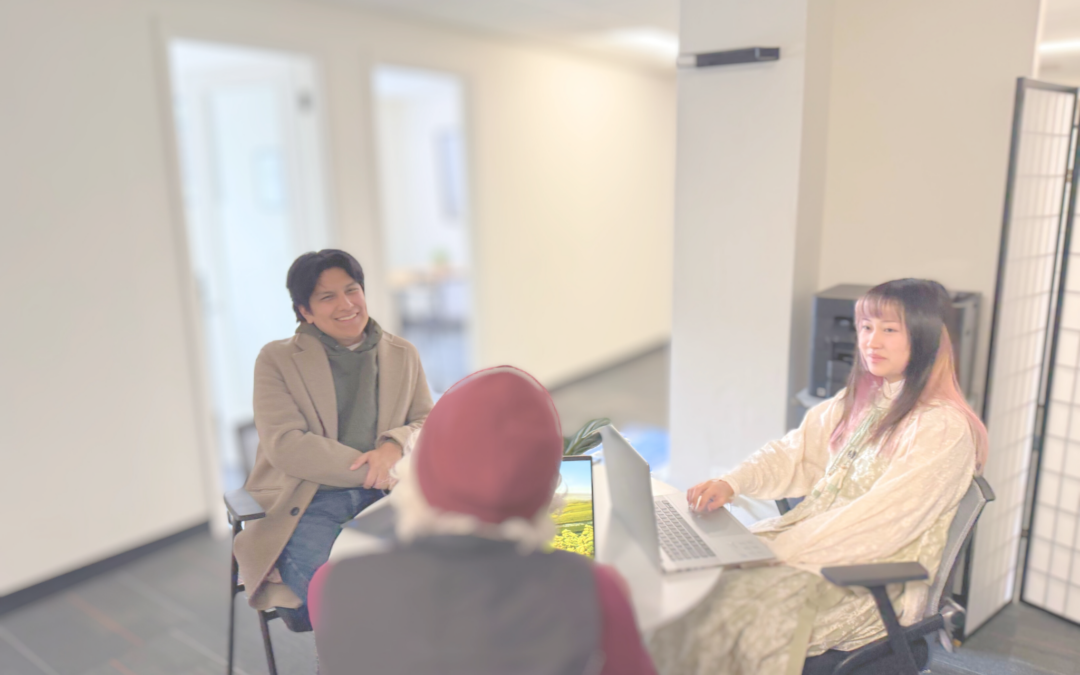
Dhexdhexaadinta goobta shaqadu waxay siisaa shaqaalaha iyo ururada hab ikhtiyaari ah, qarsoodi ah, oo la awoodi karo si ay u xalliyaan khilaafaadka iyagoo taageero ka helaya xirfadle la aamini karo oo dhexdhexaad ah. Habka dhexdhexaadinta ee dhaqan ahaan ka jawaaba wuxuu aqoonsan yahay in dhaqanka, aqoonsiga, qaababka isgaarsiinta, iyo waayo-aragnimada la noolaa ay qaabeeyaan sida dadku ula kulmaan khilaafka. Iyada oo la abuurayo meel ixtiraam leh oo loo dhan yahay oo cod kasta laga maqlo, dhexdhexaadintu waxay ka caawisaa dhisidda fahamka, xoojinta xiriirka, iyo xallinta khilaafaadka ka hor inta aysan sii xumaan.
Shaqaalaha waqtiga buuxa badankood waxay saacado badan oo shaqada ah la qaataan shaqaalaha marka loo eego qoysaskooda. Goob shaqo oo caafimaad qabta oo loo dhan yahay maaha faa'iido - waa lagama maarmaan u ah fayoobaanta shaqaalaha, guusha urureed, iyo bulshooyinka barwaaqooba.
KCDRC waxay bixisaa adeegyo dhexdhexaadin goobta shaqada oo dhan oo ka socda King County, iyadoo ka caawinaysa asxaabta, kooxaha, iyo ururada inay maareeyaan khilaafaadka adag, hagaajiyaan isgaarsiinta, iyo inay helaan xalal wax ku ool ah. Iyada oo loo marayo hab ammaan ah oo habaysan, dhexdhexaadintu waxay gacan ka geysataa soo celinta kalsoonida, xoojinta iskaashiga, iyo taageeridda goobaha shaqada ee caafimaadka qaba.
Dhawr Indha-indheyn oo ka yimid Dhexdhexaadiyayaasheena
Laba Dhexdhexaadiye, Saamayn Weyn :
Dhexdhexaadin wadajir ah waxay qiimo dheeraad ah u keentaa geeddi-socodka dhexdhexaadinta. Iyada oo loo marayo adeegyada dhexdhexaadinta bulshada ee KCDRC, waxaan awood u leenahay inaan si wadajir ah u dhexdhexaadino khilaafaadyo badan, oo ay ku jiraan isku dhacyada goobta shaqada ee dhinacyada badan leh.
In la helo laba dhexdhexaadiye macnaheedu waa aragtiyo badan, dhegeysi qoto dheer, iyo faham xooggan oo ku saabsan walaacyada iyo yoolalka dhinac kasta. Kahor kalfadhiga, waxaan isbarbar dhigi karnaa indha-indheynta, qorsheyn karnaa istaraatiijiyadaha, iyo u diyaargarowga caqabadaha. Inta lagu jiro dhexdhexaadinta, hal dhexdhexaadiye ayaa hagi kara wadahadalka halka kan kalena uu fiirinayo dhaqdhaqaaqa, uu dareemayo tilmaamo muhiim ah, wuxuuna ka caawiyaa in dooddu ay noqoto mid wax soo saar leh.
Dhexdhexaadintu waxay sidoo kale taageertaa heshiisyo cadcad iyadoo noo ogolaanaysa inaan diiradda saarno wadahadalka iyo faahfaahinta xallinta labadaba. Sidoo kale, waxay na siinaysaa fursad aan ku fekerno, wax ka baranno, oo aan sii wadno hagaajinta dhaqankeenna.
Khilaafaadka adag, waxaan ogaanay in dhexdhexaadintu ay xoojiso geeddi-socodka iyo natiijooyinka labadaba. Halkan ka weydii xallinta.
Ka Bilaabidda Waxa Aan Qiimeyno :
Su'aal fudud ayaa albaabka u furi karta wadahadallo macno leh: "Ii sheeg goobtaada shaqada ee aad ugu jeceshahay."
Jawaabaha badanaa kuma saabsana cinwaanada ama mushaharka. Dadku waxay ku qeexaan goobaha shaqada halkaas oo ay ka dareemeen ixtiraam, kalsooni, taageero, iyo isku xirnaan. Waxay xasuustaan shaqada kooxeed, isgaarsiin furan, qosol, iyo dareen ujeedo wadaag ah.
Sheekooyinkani waxay inta badan muujiyaan waxyaabaha ay wadaagaan, xitaa dadka isku dhaca. Iyagoo diiradda saaraya qiimayaasha la wadaago sida kalsoonida, caddaaladda, iyo ka mid ahaanshaha, kooxuhu waxay ka gudbi karaan xallinta dhibaatooyinka waxayna bilaabi karaan inay abuuraan goobta shaqada ee ay rabaan inay qayb ka noqdaan.
Baahidu Waa Muhiim : Shan Qodob oo Xogta ah oo ku saabsan Qiimaha Isku Dhaca Goobta Shaqada
1. Khilaafku wuxuu baabi'iyaa balaayiin kharash qarsoon. Shaqaalaha Mareykanka waxay gubaan 2.8 saacadood usbuucii iyagoo la dagaallamaya colaadaha - $359 bilyan oo saacado mushahar ah sannadkii, ama 385 milyan oo maalmood oo shaqo ah oo lumay. Tiradaasi waxay ku beegan tahay 2008; tirada maanta hubaal way ka badan tahay. (Warbixinta CPP Global Human Capital, 2008)
2. Ururada Yaryar ayaa Saamaynta ugu Badan Dareema: Ganacsiyada yaryar, hay'adaha aan faa'iido doonka ahayn, iyo ururada bulshada, kharashka khilaafka aan la xallin wuxuu noqon karaa mid si gaar ah waxyeello u geysta.
- Khilaafka goobta shaqadu wuxuu gacan ka geystaa:
- Caqabadaha shaqo-joojinta iyo shaqo-qorista shaqaalaha
-
- Wax soo saar lumay iyo niyad jab
-
- Xiriirka adag ee u dhexeeya shaqaalaha iyo hoggaanka
-
- Khatarta sii kordheysa ee khilaafaadka sharciga ee qaali ah
- Cilmi-baaristu waxay muujinaysaa:
- 51% shaqaaluhu waxay ka fikireen inay shaqada ka tagaan sababo la xiriira iskahorimaadka goobta shaqada
-
- 41% ayaa shaqo ka tagay sababo la xiriira khilaafaad.
-
- Beddelka shaqaalaha wuxuu ku kici karaa 50-200% mushaharkiisa sanadlaha ah
Ilo: Isu-dubaridka cilmi-baarista isku dhaca goobta shaqada (2026); Isbeddelka SHRM iyo cilmi-baarista kharashka-kirada-halkii-shaqo. sida ay soo sheegeen Allen & Unger (2025).
3. Ururo badan ayaa u Baahan Taageero: Goobaha shaqada badankood waxay rabaan inay si wax ku ool ah u maareeyaan khilaafaadka - laakiin qaar badan ma haystaan agab iyo khibrad ay sidaas ku sameeyaan.
- 72% ururada ma haystaan siyaasad rasmi ah oo lagu xallinayo khilaafaadka
- 98% shaqaaluhu waxay aqoonsadaan muhiimadda tababarka xallinta khilaafaadka
- Kaliya 27% maamulayaasha ayaa lagu qiimeeyaa inay yihiin kuwo aad u xirfad badan oo ku saabsan maaraynta khilaafaadka
Xarun aan faa'iido doon ahayn oo xallinta khilaafaadka ah ayaa buuxisa farqigan muhiimka ah iyadoo bixinaysa adeegyo dhexdhexaad ah oo la heli karo oo aan ururo badan gudaha ka dhisi karin.
Ilo: Ururinta tirakoobka isku dhaca goobta shaqada (2026); Cilmi-baarista isku dhaca ee Shirkadda Myers-Briggs.
4. Dhexdhexaadintu waxay abuurtaa natiijooyin wanaagsan: Dhexdhexaadintu waxay dadka ka caawisaa inay si toos ah, si xushmad leh, iyo si wada jir ah wax uga qabtaan khilaafaadka.
- Dhexdhexaadintu waxay keentaa oo kasbataa kalsooni.
- 71.2% ee dacwadaha takoorka goobta shaqada ee ay dhexdhexaadisay EEOC ayaa la xalliyay sanadka 2024
-
- Ku dhawaad kala bar heshiisyada dhexdhexaadinta ah waxaa ka mid ahaa xalal ka baxsan heshiisyada maaliyadeed, sida tababarka, horumarinta siyaasadda, ama dib u soo celinta
-
- 96% ka qaybgalayaashu waxay mar kale isticmaali doonaan dhexdhexaadin
-
- 98.6% loo-shaqeeyayaashu waxay mar kale isticmaali doonaan dhexdhexaadin
Dhexdhexaadintu waxay ilaalisaa xiriirka, waxay dhiirigelisaa isla xisaabtanka, waxayna abuurtaa xalal aysan dacwadaha inta badan bixin karin.
Ilo: Xogta Guddiga Fursadaha Shaqo ee Sinnaanta ee Mareykanka ee FY2024; Qiimaynta barnaamijka dhexdhexaadinta EEOC (2023).
5. Dacwaduhu waxay dhiigbaxaan waqtiga iyo lacagta. Celceliska sheegashada shaqada waxay ku kacaysaa $160,000 waxayna socotaa 318 maalmood. Inta badan dhexdhexaadinta goobta shaqada waxay ku dhammaataa hal kalfadhi oo 3-4 saacadood ah - oo ka dhigaya loo-shaqeeyayaasha inay xalliyaan, shaqaalaha shaqeeyaan, iyo kiisaska inay ka baxaan maxkamadda. (Tilmaamaha Hiscox ee Dacwadaha Shaqaalaha; xogta EEOC) .
Guntii iyo Gabagabadii:
Dhexdhexaadinta goobta shaqada waxay abuurtaa saameyn waarta iyadoo isku dhacyada u beddesha fursado isfaham, iskaashi, iyo isbeddel togan. Iyada oo bixinaysa beddel dhakhso badan, la awoodi karo, oo waxtar badan leh oo lagu beddeli karo xallinta khilaafaadka dhaqameed, dhexdhexaadintu waxay ka caawisaa dadka inay helaan xalal xoojiya xiriirka oo soo celiya kalsoonida.
Faa'iidooyinku waxay ka baxsan yihiin isku dhacyada shaqsiyeed. Dhexdhexaadintu waxay dhistaa goobo shaqo oo caafimaad qaba, waxay taageertaa ururo adkeysi badan, waxayna gacan ka geysataa abuurista King County oo xooggan oo isku xiran. Iyadoo la maalgelinayo wadahadal wax dhisaya iyo xallin siman, waxaan taageernaa loo-shaqeeyayaasha, shaqaalaha, iyo la-hawlgalayaasha bulshada kuwaas oo dadaalkooda wadajirka ah uu ka caawiyo bulshadeenna inay horumarto.
Weydii xallinta
Maqaalkan waxaa markii hore lagu daabacay warsideheena billaha ah, iska diiwaan geli halkan.
Qore: Meg S | Maarso 18, 2026
Xiriir kasta wuxuu ku dhacaa isqabqabsi. Qof qolka wadaaga oo suxuunta ku dhaafa saxanka, lammaane si kala duwan u maareeya lacagta, saaxiib baajiya qorshayaasha daqiiqadda ugu dambeysa. Khilaafku wuxuu ku dhex milmaa xiriirka aadanaha. Waxa kala sooca xiriirka ka sooca kuwa kala furfurma badanaa ma aha in khilaafku dhaco, laakiin waa sida dadku u maareeyaan. Taasi waa meesha ay ka soo gasho fahamka qaababka isku dhaca.
Waa maxay qaababka isku dhaca?
Qaababka isku dhacu waa qaababka caadiga ah ee aan ku dhacno marka khilaafaadku soo baxaan. Uga fikir inay yihiin qaabkaaga caadiga ah ee aad ku shaqeyneyso cadaadis. Dadka qaar ayaa horay u dhaqaaqa, iyagoo aad u xiiseynaya inay wax walba isla markiiba soo saaraan. Kuwa kale way dib u gurtaan, iyagoo rajeynaya in arrintu iskeed u xalliso. Midna habkaasi ma aha mid si dabiici ah u khaldan, laakiin dhibaatooyin ayaa soo baxa marka qaabkaagu uu la kulmo kan qof kale, ama marka aad isla habkaas u isticmaasho xaalad kasta iyadoon loo eegin macnaha guud.
Qaab-dhismeedka ugu badan ee loo isticmaalo fahamka noocyada shakhsiyadda isku dhaca wuxuu ka yimid qaabka Thomas-Kilmann, kaas oo kharibaya qaababka laba dhidib: kalsooni (inta aad mudnaanta siiso baahiyahaaga) iyo iskaashi (inta aad mudnaanta siiso baahiyaha qofka kale). Tani waxay abuurtaa shan qaab oo kala duwan.
Shanta Qaab ee Isku Dhaca
Tartamaya
Kalsooni sare, iskaashi hooseeya.
- Tartamayaashu waxay isku dhacyada ula dhaqmaan sidii ciyaar eber ah. Waxay si xooggan ugu doodaan mowqifkooda, mararka qaarkoodna waxay ku kacayaan xiriirka. Qaabkani wuxuu waxtar u yeelan karaa xaaladaha degdegga ah ama marka aad u baahan tahay inaad ku adkaysato qiimo aan gorgortan lahayn, laakiin isticmaalka xad-dhaafka ah wuxuu dadka kale ka dhigi karaa inay dareemaan inay kacsan yihiin.
Ka fogaansho
Kalsooni darro, iskaashi hooseeya.
- Ka-fogaanshaha waxay gebi ahaanba ka fogaadaan khilaafka. Waxay beddelaan mawduuca, waxay ka baxaan qolka, ama waxay u oggolaadaan arrimaha inay si aan xad lahayn u sii socdaan. Mararka qaarkood ka-fogaanshaha waa mid istaraatiiji ah, maadaama aan buur kasta u qalmin in lagu dhinto. Laakiin ka-fogaanshaha joogtada ah wuxuu u oggolaanayaa xanaaqa inuu koro oo uu ka hortago xallinta dhabta ah.
Hoy dejin
Kalsooni darro hoose, iskaashi sare.
- Dadka deegaanka waxay mudnaanta siiyaan is-waafajinta iyo farxadda qofka kale, badanaana waxay ku bixiyaan baahiyahooda. Waxay ku xeel dheer yihiin yareynta xiisadda, laakiin is-nafsadeynta joogtada ah waxay dhalin kartaa caro waxayna baabi'in kartaa is-ixtiraamka.
Is-afgarad
Kalsooni dhexdhexaad ah, iskaashi dhexdhexaad ah.
- Kuwa tanaasula waxay raadiyaan meel dhexe oo qof walba uu wax yar bixiyo. Waa wax ku ool ah oo hufan, taasoo ka dhigaysa mid waxtar u leh go'aannada dan yarta ah. Dhibaatadu? Labada dhinacba waxay ka tagi karaan oo keliya qayb ahaan qanacsan, arrimaha hoosena waxba kama qaban karaan.
Iskaashi
Kalsooni sare, iskaashi sare.
- Iskaashatadu waxay qodaan khilaafka, iyagoo raadinaya xal si buuxda uga hadlaya walaacyada labada dhinac. Qaabkani wuxuu u baahan yahay waqti, kalsooni, iyo xiiso dhab ah. Marka uu shaqeeyo, wuxuu xoojiyaa xiriirka. Marka lagu qasbo arrimo yaryar, wuxuu dareemi karaa daal.
Sababta Qaabkaaga Caadiga ah uu Muhiim u yahay
Inta badan annaga waxaan leenahay hal ama laba qaab oo aan si dabiici ah ugu tiirsannahay. Qaab-dhismeedkan caadiga ah wuxuu sameysmaa goor hore, iyadoo lagu saleynayo dhaqdhaqaaqa qoyska, dhaqanka, iyo waayo-aragnimadii hore. Waxaa laga yaabaa inaad baratay inaad ka fogaato isku dhaca qoyska oo kacsan, ama aad horumarisay fursad tartan ah oo aad ku gasho jawi ay hadalkaagu ahaa habka kaliya ee lagu maqli karo.
Dhibaatadu waxay tahay in caadi ahaan ay tahay caado, ee aysan ahayn xeelad. Xiriirka xiriirku wuu fiicnaadaa marka aad dooran karto habkaaga iyadoo lagu saleynayo xaaladda halkii aad mar walba ku ciyaari lahayd isla ciyaar. Dabacsanaantu waa yoolka.
Sida Loo Aqoonsado Qaabkaaga Khilaafka
Fiiro gaar ah u yeelo dareenkaaga marka xigta ee xiisad soo baxdo:
- Ma ku tiirsan tahay mise dib ayaad u laabanaysaa? U dhaqaaqidda dhinaca isku dhaca waxay tilmaamaysaa isbeddellada tartanka ama iskaashiga. Ka fogaanshaha qodobbada si looga fogaado ama loo waafajiyo.
- Waa maxay walaacaaga ugu weyn? Mudnaanta baahiyahaaga gaarka ah waxay soo jeedinaysaa inaad tartan gasho. Mudnaanta xiriirka waxay soo jeedinaysaa inaad la qabsato.
- Sideed dareemeysaa ka dib? Cadhada badanaa waxay calaamad u tahay la qabsasho ama ka fogaansho. Ku qanacsanaanta xalalka qayb ahaan waxay tilmaamaysaa tanaasul.
Waxaad sidoo kale weydiin kartaa dadka aad ku kalsoon tahay sida ay kula kulmaan iskahorimaadyo. Aragtidoodu badanaa waxay muujisaa meelo aan la garanayn.
Talooyin Wax Ku Ool Ah Oo Lagu Xalinayo Khilaafka Xiriirka
1. Magacaw waxa dhacaya.
- Markaad aragto is-khilaaf qaab, si tartiib ah ugu dhawaaq. "Waxaan u maleynayaa inaan isku dayayo inaan ka fogaado wadahadalkan, waxaadna rabtaa inaad hadda ka shaqeyso. Ma heli karnaa meel dhexe?" Tani waxay dhaqdhaqaaqa ka beddeshaa iska soo horjeedka una beddeshaa iskaashi.
2. Qaabka ku habboonow meelaha la rabo.
- Iskaashi u keydi arrimaha dhabta ah ee muhiimka ah: qiyamka, qaababka soo noqnoqda, go'aamada leh saameyn muddo dheer ah. Iska dhaaf xanaaqyada yaryar ama ku xalli tanaasul degdeg ah.
3. Qofka ka sooc dhibaatada.
- Diiradda saar arrinta gaarka ah iyo dhaqanka, ha ku koobin xukunno sida "Mar walba waad xiran tahay" ama "Waa inaad wax walba ku guuleysataa."
4. Xiiso u yeelo qaabka qofka kale.
- Weydii su'aalo halkii aad ka samayn lahayd male-awaal. "Maxaa kaa caawin lahaa inaad dareento in hadda la maqlay?" waxay muujinaysaa ixtiraamka geeddi-socodkooda.
5. Ku dhaqan qaabka aad si yar u isticmaasho.
- Haddii aad had iyo jeer tartanto, isku day inaad la qabsato xaaladdaada. Haddii aad had iyo jeer iska ilaaliso, isku day inaad wadahadalka ku sii jirto shan daqiiqo ka dheer inta aad dareemayso raaxo.
Sawirka Weyn
Fahmidda noocyada shakhsiyadda isku dhaca maaha calaamadaynta naftaada ama kuwa kale. Waa ku saabsan ballaarinta liiskaaga. Dadka ugu wanaagsan ee isgaarsiintu waxay tartami karaan marka loo baahdo, way iska kaashan karaan marka ay muhiim tahay, si qurux badan ayay ula qabsan karaan, si hufan ayay isu tanaasuli karaan, waxayna ka fogaan karaan dagaallada aan u qalmin.
Khilaafku uma baahna inuu xiriirka dhaawaco. Si fiican ayaa loo maareeyaa, waxay dhistaa kalsooni, waxay qoto dheereysaa fahamka, waxayna nadiifisaa hawada si loo helo xiriir dhab ah. Tallaabada ugu horreysa waa inaad ogaato qaababkaaga. Tan xigta waa inaad doorato, si ula kac ah, sida aad rabto inaad isu soo bandhigto.
Ma xiisaynaysaa inaad wax badan barato? Fiiri fursadaha tababarka xallinta khilaafaadka.
Qore: Meg S | Janaayo 29, 2026
Marka khilaafaadku soo baxaan, ha ahaato ganacsi, arrimaha qoyska, ama khilaafaadka bulshada, dad badan ayaa u arka ikhtiyaarka kaliya ee ay leeyihiin inuu yahay inay si toos ah u aadaan maxkamadda. Laakiin waxaa jira waddo kale oo inta badan waxtar badan, kharash yar, oo aan walaac badan lahayn: dhexdhexaadin. Haddii aad waligaa isweydiisay "waa maxay dhexdhexaadintu?" ama sida habkani u caawin karo xallinta khilaafkaaga, waxaad joogtaa meeshii saxda ahayd.
Fahmidda Dhexdhexaadinta: Aasaaska
Dhexdhexaadintu waa hab ikhtiyaari ah oo qarsoodi ah halkaas oo dhinac saddexaad oo dhexdhexaad ah uu ka caawiyo dadka isku dhaca inay helaan xalalkooda. Si ka duwan garsooraha kuu sameeya go'aannada, dhexdhexaadiye wuxuu fududeeyaa wadahadalka wuxuuna ku hagaa dhinacyada is haya heshiisyo la aqbali karo.
Ka fikir dhexdhexaadinta inaad haysato lammaane wadahadal oo xirfad leh oo kaa caawiya adiga iyo dhinaca kale inaad si wax ku ool ah isula xidhiidhaan, sahamiyaan fursadaha aad ka fiirsan weyday, oo aad u shaqaysaan xalal dhab ahaan u shaqeeya qof kasta oo ku lug leh. Ma aha guul ama guuldarro laakiin waa inaad heshaa waddo hore loo maro oo qof kastaa aqbali karo.
Sidee Dhexdhexaadintu u Shaqeysaa?
Habka dhexdhexaadintu wuxuu caadi ahaan raacaa tallaabooyinkan muhiimka ah. Marka hore, dhinac kastaa wuxuu la wadaagaa aragtidiisa xaaladda iyada oo aan la carqaladeyn. Tani kuma saabsana caddeynta cidda saxda ah ama khaldan laakiin waxay ku saabsan tahay fahamka walaacyada iyo danaha qof kasta.
Marka xigta, dhexdhexaadiyuhu wuxuu ka caawiyaa inuu aqoonsado arrimaha ugu muhiimsan ee u baahan in wax laga qabto, isagoo inta badan shaaca ka qaadaya in dhibaatooyinka dhabta ahi ay ka duwan yihiin waxa dadku markii hore u maleeyeen inay ku dagaallamayaan. Dhammaan dhinacyada oo dhan ayaa markaa ka fikira xalalka suurtagalka ah. Habkan wada-shaqayntu wuxuu inta badan keenaa natiijooyin hal-abuur leh oo aan qof kelidiis horumarin karin. Ugu dambeyntii, iyadoo la raacayo hagidda dhexdhexaadiyaha, dhinacyadu waxay u shaqeeyaan heshiisyada wax ka qabanaya baahiyaha iyo danaha ugu muhiimsan qof walba.
Maxaa Dhexdhexaadinta ka duwan Maxkamadda?
Si ka duwan dacwadaha, dhexdhexaadintu waxay gacantaada dib ugu soo celinaysaa xakamaynta. Waxaad haysataa awoodda go'aan qaadashada sababtoo ah ma jiro garsoore xal soo roga. Taa beddelkeeda, waxaad abuurtaa heshiisyo u shaqeeya xaaladdaada gaarka ah. Wax kasta oo laga wada hadlo dhexdhexaadinta waxay ahaanayaan kuwo qarsoodi ah, dabeecadda iskaashiga badanaa waxay ka caawisaa dadka inay hore u socdaan iyagoo leh isgaarsiin wanaagsan halkii ay ka ahaan lahaayeen xiriirro burburay.
Inta badan dhexdhexaadintu waxay ku xallisaa saacado ama maalmo, ma aha bilo ama sannado, badanaana waxay ku kacdaa qayb ka mid ah waxa aad ku bixin lahayd dacwadaha. Malaha tan ugu muhiimsan, waxaad la socotaa xalal aad ka caawisay abuurista halkii aad ka ahaan lahayd go'aanno uu soo rogay qof aan si buuxda u fahmin duruufahaaga gaarka ah.
Doorka Dhinac Saddexaad ee Dhexdhexaadka ah
Dhexdhexaadiye xirfad leh wuxuu u shaqeeyaa wax ka badan garsoore. Waxay abuuraan meel ammaan ah oo loogu talagalay wadahadal daacad ah waxayna ka caawiyaan dhinacyada inay si wax ku ool ah u wada xiriiraan. Waxay weydiiyaan su'aalo muujinaya danaha iyo baahiyaha hoose, waxay u hagaan wadahadalka xallinta dhibaatooyinka wax soo saar leh, waxayna hubiyaan in qof walba uu cod ku leeyahay geeddi-socodka.
Dhexdhexaadiyuhu dhinac ma raaco, talo sharci ma bixiyo, ama go'aanno kuuma sameeyo. Taa beddelkeeda, waxay kuu fududeeyaan geeddi-socod awood kuu siinaya inaad xalliso khilaafkaaga. Uga fikir inay yihiin hage kaa caawinaya inaad dhex marto wadahadalka oo aad sahamiso fursadaha aadan kaligaa tixgelin.
Goorma ayay Dhexdhexaadintu Caawin Kartaa?
Dhexdhexaadintu si wax ku ool ah ayay ugu shaqaysaa khilaaf kasta oo ay dadku u baahan yihiin inay helaan waddo hore loogu socdo. Hawshu waxay si gaar ah u iftiimaysaa xaaladaha ay xiriirradu muhiim yihiin xalalka hal-abuurka lehna ay ka faa'iideysan karaan qof kasta oo ku lug leh.
Khilaafaadka Qoyska iyo Shakhsiga:
- Khilaafaadka qoyska badanaa waxay ku lug leeyihiin shucuur qoto dheer iyo xiriiro socda oo ka dhigaya dhexdhexaadinta mid aad muhiim u ah. Dacwadaha furriinka, qabanqaabada daryeelka carruurta, iyo jadwalka booqashada waxaa lagu xallin karaa iyada oo aan wax dhaawac ah la gaarin oo diiradda la saarayo waxa ugu fiican qof walba, gaar ahaan carruurta. Khilaafaadka dhaxalka, go'aannada daryeelka waayeelka, iyo khilaafaadka ka dhexeeya walaalaha ama xubnaha kale ee qoyska waa la xallin karaa iyadoo la ilaalinayo xiriirka qoyska ee dagaallada maxkamaddu ay si joogto ah u burburin karaan.
Arrimaha Guryaha iyo Hantida:
- Khilaafaadka guryaha waxay abuuraan caqabado gaar ah sababtoo ah dadku badanaa waa inay sii wadaan inay ku noolaadaan ama ka shaqeeyaan meel u dhow. Khilaafaadka milkiilayaasha guryaha iyo kiraysteyaasha ee ku saabsan deebaajiga amniga, jebinta heshiiska kirada, ama dayactirka hantida waa la xallin karaa iyada oo aan la helin waqtiga iyo kharashka dacwadaha ka saarista. Khilaafaadka deriska ee ku saabsan xuduudaha hantida, arrimaha buuqa, ama waddooyinka la wadaago waxay ka faa'iideystaan diiradda dhexdhexaadinta ee ku aaddan helitaanka xalal wax ku ool ah oo ka caawiya dadka inay si nabad ah u wada noolaadaan.
- Khilaafaad badan oo maalinle ah oo haddii kale ku dambayn kara maxkamadda dacwadaha yaryar waxaa si qancin leh loogu xallin karaa dhexdhexaadin. Cabashooyinka macaamiisha ee ku saabsan alaabada cilladaysan, khilaafaadka adeegga ee qandaraaslayaasha, iyo sheegashooyinka dammaanadda badanaa waxay gaaraan natiijooyin wanaagsan marka labada dhinacba ay si wadajir ah u shaqeeyaan si ay u helaan xalal. Xaaladahan badanaa waxay ku lug leeyihiin isgaarsiin xumo ama rajooyin aan la dabooli karin oo dhexdhexaadintu ay si wax ku ool ah wax uga qaban karto marka loo eego xukunka garsooraha.
- Khilaafaadka goobta shaqada badanaa waxay ka faa'iideystaan dhexdhexaadinta sababtoo ah shaqaalaha iyo loo-shaqeeyayaashu waxay caadi ahaan u baahan yihiin inay ilaaliyaan xiriirka shaqada. Sheegashooyinka takoorka, cabashooyinka dhibaataynta, iyo khilaafaadka shaqo ka joojinta khaldan mararka qaarkood waxaa lagu xallin karaa siyaabo wax looga qabanayo arrimaha hoose ee goobta shaqada iyadoo la daboolayo baahiyaha qof walba. Xitaa marka xiriirka shaqada aan la badbaadin karin, dhexdhexaadintu waxay inta badan bixisaa natiijooyin ka qancin badan dacwadaha sharciga rasmiga ah.
Khilaafaadka Bulshada iyo Xaafadaha:
- Khilaafaadka bulshadu waxay u baahan yihiin fiiro gaar ah oo ku saabsan xiriirka socda iyo danaha la wadaago. Khilaafaadka ururada milkiilayaasha guryaha, khilaafaadka ku saabsan kheyraadka bulshada, iyo khilaafaadka u dhexeeya deriska waxaa lagu xallin karaa dhexdhexaadin iyadoo la adeegsanayo xalal tixgelinaya baahiyaha qof walba si uu si nabad ah ugu noolaado isla aaggaas. Khilaafaadkani waxay inta badan ku lug leeyihiin dad si joogto ah isula falgala, taasoo ka dhigaysa habka ilaalinta xiriirka dhexdhexaadinta mid aad muhiim u ah.
Shuruudaha ugu muhiimsan ee xaaladahan oo dhan iyo meelaha kale ee iskahorimaadka ayaa ah in dhammaan dhinacyadu ay diyaar u yihiin inay si ikhtiyaari ah uga qaybqaataan oo ay si niyad wanaag ah u falgalaan. Marka dadku miiska yimaadaan iyagoo diyaar u ah inay dhegeystaan, wadaagaan aragtidooda, iyo inay u shaqeeyaan xalalka, dhexdhexaadintu waxay si la yaab leh waxtar ugu yeelan kartaa isu beddelka isku dhaca iskaashi.
Maxaad u Dooranaysaa Dhexdhexaadin?
Marka laga reebo faa'iidooyinka dhabta ah ee xawaaraha iyo kaydinta kharashka, dhexdhexaadintu waxay bixisaa wax gaar ah: fursadda lagu dhageysan karo oo aad si firfircoon uga qayb qaadan karto xallinta dhibaatooyinkaaga. Maxkamadda dhexdeeda, waxaad soo bandhigaysaa kiiskaaga oo waxaad sugeysaa qof kale inuu go'aan ka gaaro mustaqbalkaaga. Dhexdhexaadinta dhexdeeda, waxaad tahay ka qaybgal firfircoon oo ku saabsan sameynta xalal ka tarjumaya baahiyahaaga dhabta ah iyo mudnaantaada.
Dad badan ayaa u arka dhexdhexaadintu inay awood siinayso sababtoo ah waxay aqoonsan tahay in kuwa ugu dhow khilaafku ay inta badan si fiican u fahmaan oo ay ku jiraan booska ugu wanaagsan ee lagu abuuri karo xalal la shaqayn karo. Markaad ka qayb qaadato dejinta heshiiska, waxaad u badan tahay inaad raacdo sababtoo ah waxay wax ka qabanaysaa waxa ugu muhiimsan.
Bilaabidda Dhexdhexaadinta
Haddii aad la kulanto iskahorimaad oo aad isweydiinayso in dhexdhexaadintu ay caawin karto, tixgeli su'aalahan:
- Dhammaan dhinacyadu ma diyaar u yihiin inay si ikhtiyaari ah uga qaybqaataan?
- Ma muhiim baa ilaalinta xiriirka?
- Ma rabtaa inaad si ka badan sidii maxkamaddu kuu siin lahayd awood aad ku maamusho natiijada?
- Ma raadineysaa hab qarsoodi ah oo aad ku xalliso arrimaha?
- Ma ka faa'iideysan lahayd hab dhaqso badan oo kharash yar?
- Ma doorbideysaan inaad si wadajir ah uga wada shaqeysaan xalalka halkii aad ka dagaalami lahaydeen?
Haddii aad haa kaga jawaabtay mid ka mid ah su'aalahan, dhexdhexaadintu waxay noqon kartaa ikhtiyaar aad u fiican xaaladdaada. Si aad wax dheeraad ah u weydiiso ama aad u ballansato dhexdhexaadin, halkan guji.
Hore u Socodka
Dhexdhexaadintu waxay u taagan tahay hab ka duwan oo looga fikiro khilaafka. Halkii laga arki lahaa khilaafaadka dagaallo la doonayo in lagu guuleysto, dhexdhexaadintu waxay ula dhaqantaa sidii dhibaatooyin la wada xallin karo. Habkani wuxuu aqoonsan yahay in xalalka waara ay ka yimaadaan fahamka baahiyaha midba midka kale iyo ka wada shaqeynta heshiisyada qof walba uu la noolaan karo.
Marka khilaafaad ka soo baxaan noloshaada, xasuuso in tagista maxkamaddu aysan ahayn ikhtiyaarkaaga kaliya. Dhexdhexaadintu waxay bixisaa waddo sharfaysa codka qof walba, ilaalinaysa xiriirka muhiimka ah, waxayna awood kuu siinaysaa inaad abuurto xalal runtii u shaqeeya xaaladdaada gaarka ah. Waxay ku saabsan tahay helitaanka waddo hore u socota oo u oggolaanaysa qof walba inuu ilaaliyo sharaftiisa isagoo wax ka qabanaya arrimaha dhabta ah ee gacanta ku jira.
Hadday tahay inaad la tacaalayso khilaaf ganacsi, khilaaf qoys, ama khilaaf bulsho, dhexdhexaadintu waxay bixisaa qalabka iyo qaab-dhismeedka aad uga gudbi karto khilaafka una gudbi karto xallinta iyadoo xiriirkiina, kheyraadkiina, iyo nabaddiina ay sugan yihiin. Mararka qaarkood xalalka ugu fiican waa kuwa aan wada abuurno!
Qore: Meg S | Sebteembar 24, 2025
Dhaxalka Dhexdhexaadinta Asxaabta
Markii barnaamijyada dhexdhexaadinta asxaabta ee KCDRC ay dhammaadeen, ma ahayn oo keliya dhammaadka cutub, laakiin sidoo kale bilowga aragti cusub. Sannado badan, dhexdhexaadinta asxaabta waxay siin jirtay dhalinyarada fursad ay ku dhaqmaan hoggaanka iyagoo xallinaya khilaafaadka, si qoto dheer u dhegeysanaya, iyo dhisidda kalsoonida asxaabta. Waayo-aragnimadaasi waxay beertay fikradda ah in dhallinyaradu aysan kaliya awood u lahayn inay wax ka qabtaan khilaafaadka, laakiin sidoo kale ay si gaar ah ugu jiraan inay hoggaamiyaan bulshooyinkooda iyada oo loo marayo isbeddel.
Dhacdo ay afaysay Khilaafka Caalamiga ah
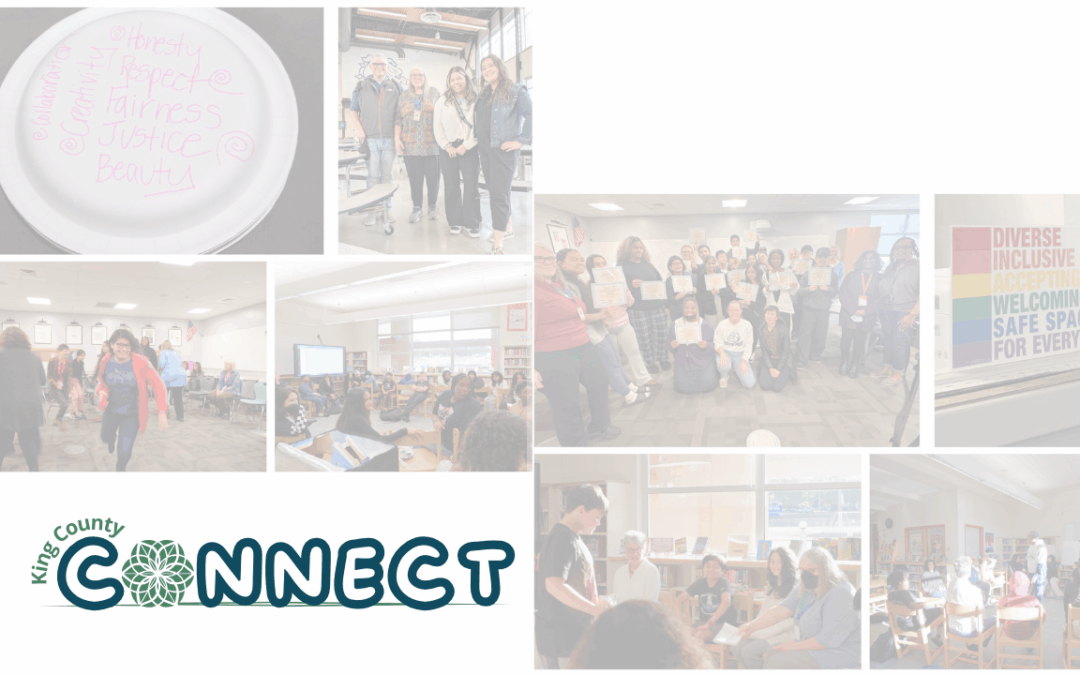
Daboolka KC CONNECT wuxuu horey u jiray, isagoo salka ku haya sannado badan oo horumarinta dhalinyarada iyo wadahadalka bulshada ah. Laakiin horraantii sanadkan, iyadoo sheekooyinka isku dhaca ay ka soo ifbaxeen adduunka oo dhan, gaar ahaan sawirrada qoysaska oo kala go'ay Los Angeles intii lagu jiray weerarrada ICE, dabku wuxuu noqday mid si cad loo arkay. Daqiiqadahani waxay iftiimiyeen baahida degdegga ah ee loo qabo in dhallinyarada iyo qoysaska loo diyaariyo ma aha oo kaliya inay maareeyaan khilaafaadka maalinlaha ah, laakiin sidoo kale inay xalliyaan caddaalad darrada nidaamsan, ay si wadajir ah u bogsadaan, oo ay galaan hoggaanka. Ka dib markii la ogaaday in naqshadda KC CONNECT ay kortay.
Dhisidda Aasaaska Xooggan
KC CONNECT waxay ku dhisan tahay dhaxalka dhexdhexaadinta asxaabta iyo casharrada laga bartay barnaamijka tijaabada ah ee Bridge sanadkii 2024. Aasaaskaas waxaa ka dhashay laba xaqiiqo oo muhiim ah: in xallinta khilaafaadka ay gacanta ku hayso qof walba, oo aan ahayn dhexdhexaadiyayaal tababaran oo keliya, iyo in wadahadalka ku salaysan bogsashada uu leeyahay awood uu ku xoojiyo bulshooyinka oo dhan. Halkii uu xirfadaha ku xaddidi lahaa koox arday ah oo dhexdhexaadiyayaal ah, KC CONNECT waxay u furaysaa fursad ay ku galaan dhalinyarada iyo qoysaska guud ahaan King County.
Sida Looga Qaybqaato
KC CONNECT waxay bixisaa laba siyaabood oo looga qayb qaato. Iskuulada, ururada aan faa'iido doonka ahayn ee u adeega dhalinyarada, iyo kooxaha bulshadu waxay si toos ah u keeni karaan aqoon-is-weydaarsiyada fasallada, barnaamijyada dugsiga ka dib, kooxaha dhalinyarada, ama goobaha ka-qaybgalka qoyska, oo loo habeeyey si iskaashi leh shaqaalaha. Shakhsiyaadka, KCDRC waxay sidoo kale martigelisaa aqoon-is-weydaarsiyo bilaash ah oo bilaash ah oo online ah oo u furan dhammaan dhalinyarada iyo qoysaska King County. Kalfadhiyadani waxay daboolayaan saddex qaybood: Aasaaska Khilaafaadka (xididdada, isgaarsiinta, shucuurta, iyo aqoonsiga), Dhisidda Xirfadda (dhaqamada soo celinta, wareegyada qoyska, iyo khilaafka dhijitaalka ah), iyo Wacyigelinta Muhiimka ah & Awoodda Dhaqanka (isku dhacu waa isbeddel, wareegyada dhalinyarada, dib u soo celinta awoodda). Wadajir ahaan, xulashooyinkani waxay ka dhigayaan KC CONNECT mid la heli karo oo ka jawaaba baahiyaha bulshada.
Midnimada iyo Sinnaanta ee Bartamaha
Sida Sharon ay sharraxayso, awoodda KC CONNECT waxay ku jirtaa ka-qaybgalkeeda. Ka-qaybgale kastaa wuxuu ka baxaa aqoon-is-weydaarsiga isagoo wata qalab wax ku ool ah oo loogu talagalay isgaarsiinta iyo xallinta mashaakilaadka, laakiin sidoo kale leh waayo-aragnimo ah in la maqlo oo la qiimeeyo. "Qof kastaa waa inuu helaa xirfadahan," ayay ka tarjumaysaa. "Qof kasta oo ka qayb qaata wuxuu bartaa siyaabo cusub oo uu ula xiriiro oo ka caawiya inuu xalliyo dhibaatooyinkiisa, la shaqeeyo dadka kale, iyo inuu si wadajir ah ugu biiro bulsho ahaan."
Aragtida Hoggaanka Dhallinyarada
Aragtida Fergie waxay ka baxsan tahay aqoon-is-weydaarsiyada ilaa qaab-dhismeedka hoggaaminta mustaqbalka. Waxay leedahay xiise ay ku aragto dhalinyarada oo galaya goobaha bulshada halkaas oo codkoodu saameyn ku yeelan karo isbeddelka. Rajadeedu waa in KC CONNECT ay dhiirrigelin doonto dhalinyarada, gaar ahaan kuwa ka soo jeeda bulshooyinka taariikh ahaan laga reebay go'aan qaadashada, si ay u codsadaan guddiyada la-talinta ee gobolka iyo gobolka oo ay isu arkaan hoggaamiyeyaal awood u leh inay qaabeeyaan mudnaanta siyaasadda iyo bulshada. Sida ay ku sharraxayso, "Ma aha oo kaliya kursi guddi, waa ku saabsan dhiirigelinta dhalinyarada inay ogaadaan inay leeyihiin awood ay ku sameeyaan farqi, si kasta oo ay doortaan."
Wax ka badan Barnaamij: Dhaqdhaqaaq
Isbeddelkani wuxuu si dhow ula jaan qaadayaa qiyamka Xarunta Xallinta Khilaafaadka. Iyada oo diiradda la saarayo bogsashada, ka jawaab celinta baahiyaha bulshada, iyo sinnaanta, KC CONNECT waxay hubineysaa in xallinta khilaafaadku aysan ahayn oo keliya qalab lagu xalliyo dhibaatooyinka, laakiin sidoo kale ay tahay hab lagu dhiso bulshooyin xooggan oo adkeysi badan. Sida Dave, Agaasimaha Fulinta, uu u arko, "Kani ma aha oo kaliya barnaamij, waa dhaqdhaqaaq. Waxaan carruurta u diyaarineynaa inay la wareegaan adduunka."
KC CONNECT waxay u taagan tahay wax ka badan sii wadida shaqadii hore. Waxay u taagan tahay isbeddel ku yimid habka loo wajaho: laga bilaabo xallinta khilaafaadka mid mid ilaa la qalabeeyo bulshooyinka oo dhan xirfadaha lagu bogsiiyo, lagu hoggaamiyo, loona doodo isbeddelka. Waa barnaamij ku salaysan taariikhda, oo loo dhisay maanta, iyo diyaarinta hoggaamiyeyaasha berri.
Baro wax badan ama iska diiwaan geli aqoon-is-weydaarsi!
Maqaalkan waxaa markii hore lagu soo bandhigay warsideheenna, halkan iska diiwaan geli .

Qore: Meg S | Luulyo 15, 2025
Mid ka mid ah barnaamijyada ugu muhiimsan ee ay bixiso Xarunta Xallinta Khilaafaadka ee King County waa dhexdhexaadinta qoyska , halkaas oo dhexdhexaadiyeyaasha KCDRC ay taageeraan dadka hagaya qorshayaasha waalidnimada, furriinka, ama isbeddellada iyo xiisadaha kale ee la xiriira qoyska. Inta badan, tan waxaa ka mid ah waalidiinta wadaaga ah ee ka shaqeynaya qorshayaasha waalidnimada ama wax ka beddelka heshiisyada jira, iyo sidoo kale furriinka. In kasta oo dhexdhexaadinta qoysku ay sidoo kale ku lug yeelan karto arrimo kale sida walaalaha maaraynta daryeelka waayeelka ama xubnaha qoyska oo qaybsanaya mas'uuliyadaha la wadaago ka dib marka la waayo.
Dhinacyadu waxay inta badan galaan kalfadhi dhexdhexaadin qoys iyagoo dareemaya shaki ama iscasilaya. Inta lagu jiro qaadashada, waxay inta badan wadaagaan inay horey u tijaabiyeen wax kasta oo ay ka fikiri karaan oo ay codsiyo u gudbiyeen siyaabo kala duwan, mararka qaarkood sannado badan. Haddii carruurtu ku lug leeyihiin, waalid kasta wuxuu dareemi karaa inuu u dhaqmayo danaha ugu wanaagsan carruurta halka waalidka kale uusan ahayn. Dhexdhexaadintu had iyo jeer ma dareento rajo - waa wax ay maxkamad ama qorshahooda waalidnimo u sheegeen inay isku dayaan. Dhexdhexaadinta qoysku maaha inay wax walba ku hagaajiso hal wadahadal. Waxay ku saabsan tahay in la sameeyo meel dadka isku dhaca ku jira, badanaa dadka leh taariikh iyo mas'uuliyado wadaag ah, si ay uga baxaan qaababkii hore oo ay u helaan meel ay si kala duwan ugu wada xiriiraan. Si cad u hadlaan. In la maqlo. In la qiyaaso sida ay u ekaan karto, xitaa haddii waddadu u muuqato mid aan caddayn.
Diyaargarowgu waa MUHIIM!
Go'aan gaarista shaqsiga waa aasaaska dhexdhexaadinta qoyska ee guuleysta. Si ka duwan dacwadaha sharciga ee dhaqameed, dhexdhexaadintu waxay awoodda go'aan qaadashada si toos ah ugu riddaa gacanta dhinacyada ku lugta leh, taasoo kobcinaysa dareenka lahaanshaha iyo awoodsiinta. Sida uu sharraxay mid ka mid ah shaqaalaha, "KCDRC, nasiib wanaag ma nihin guddi mana u baahnin inaan dadka ku cadaadino inay nala dhexdhexaadiyaan si ay u sameeyaan oo keliya. Waxaan sidoo kale u adeegnaa bulshada annagoo hubinayna in dhinacyadu ay helaan macluumaadka iyo taageerada si ay u go'aamiyaan waxa ugu fiican iyaga oo ka mid ah fursadaha ay heli karaan."
Xorriyaddaas iyo fursaddaas waxaa la socda mas'uuliyad. Si dhexdhexaadintu u noqoto mid wax ku ool ah, dhinac kastaa wuxuu go'aansadaa ma aha oo kaliya inuu sii wado adeegyada dhexdhexaadinta qoyska ee KCDRC, laakiin sidoo kale inuu ballanqaado diyaargarow taxaddar leh iyo ka qaybgal ula kac ah. Dhexdhexaadinta qoyska waxay si fiican u shaqeysaa marka dhinacyadu yimaadaan iyagoo diyaarsan, ma aha oo kaliya warqado, laakiin sidoo kale leh aragti.
KCDRC, maaraynta kiisaska qoyska waxay dejisaa marxalado loogu talagalay ikhtiyaarro macno leh oo loogu talagalay xallinta iyadoo gacan ka geysaneysa in dhinacyada la siiyo aragti iyo qalab isgaarsiineed oo ay u baahan yihiin. Tababarka maaraynta kiisaska ayaa sidoo kale ka taageera shakhsiyaadka inay dhex maraan shucuurta adag iyo go'aannada ay u baahan doonaan inay la qabsadaan inta lagu jiro dhexdhexaadinta. Habka qaadashada qoyska ee KCDRC wuxuu ka caawiyaa dhinacyada inay fahmaan fursadaha dhabta ah ee dhexdhexaadinta: waxa ay ka caawin karto inay xalliyaan iyo waxa aysan awoodin. Xitaa haddii kalfadhi dhexdhexaadin ah oo leh heshiis dejin uusan raacin, dad badan ayaa hela gargaar iyo caddeyn ka dib wadahadal qaadashada qoyska ee KCDRC. Inta lagu jiro qaadashada qoyska ee KCDRC, kiisaska waxaa laga baaraa inay ku habboon yihiin dhexdhexaadinta, waxaanan sidoo kale bixinnaa tixraacyo badan oo kheyraad ah.
Taageeridda Dhinacyada
Marka qaadashada KCDRC ay horseeddo kalfadhi dhexdhexaadin qoys, habkani wuxuu taageeraa dhinacyada galaya dhexdhexaadinta iyagoo diiradda saaraya oo diyaar u ah inay sahamiyaan natiijooyinka: Macluumaad noocee ah ayay dhinacyadu u baahan yihiin inay keenaan si ay uga caawiyaan wargelinta wadahadalka dhexdhexaadinta? Waa maxay xulashooyinka ugu fiican, ugu xun, iyo kuwa ugu macquulsan mid kasta oo ka mid ah, iyo kuwa kale ee ku lug leh? Dhinacyadu had iyo jeer uma baahna oo keliya diyaargarowgan, laakiin sidoo kale taageero joogto ah inta lagu jiro kalfadhiga dhexdhexaadinta qoyska iyagoo muujinaya walaacyo si cad oo naxariis leh.
Dhexdhexaadiyeyaasha qoyska ee KCDRC waxay ixtiraamaan in dhinacyadu ay yihiin khabiiro ku takhasusay xaaladdooda oo aysan dadka u sheegin waxa ay qabanayaan ama aysan ku riixin inay gaaraan tanaasul ay u baahan yihiin ama aysan awoodin inay raacaan. Taa beddelkeeda, dhexdhexaadiyayaashu waxay ka caawiyaan ka qaybgalayaasha inay gaabiyaan, magacaabaan waxa runtii muhiimka ah, iyo inay sahamiyaan fursadaha ay iyagu naftooda - ee aan ahayn cid saddexaad - ay dooran karaan. Marka ay habboon tahay, dhinacyada waxaa lagu dhiirigelinayaa inay la hadlaan qareen si ay dib ugu eegaan heshiis kasta oo la gaaro. Dhinacyadu waxay sidoo kale dooran karaan inay qareenkoodu joogo dhexdhexaadinta.
Isbeddellada Wadahadalka
Isbeddelka caadiga ah inta lagu jiro dhexdhexaadinta qoyska waa sida dadku u hadlaan. Dhexdhexaadiyayaashu waxay inta badan ogaadaan in marka hore dhinac ka dibna kan kale uu bilaabi doono inuu isticmaalo weedho sida "aragtidayda" ama "waxa aan kaa maqlayo waa." Iyada oo ah dhexdhexaadiyaha KCDRC Beckey Sukovaty ayaa la wadaagay, "Wax badan oo ka mid ah waxa aan sameyno dhexdhexaadiyayaal ahaan oo si gaar ah muhiim ugu ah dhexdhexaadinta qoyska, waa ka caawinta dadka inay isku dayaan inay caddeeyaan qodob una weecdaan weydiinta su'aal. Laga bilaabo eedda ilaa diiradda la saaro xaqiiqooyinka dhabta ah. Laga bilaabo 'tani waa waxa had iyo jeer dhaca' ilaa 'maxaan si ka duwan u sameyn karnaa mustaqbalka?'" Kuwani waa daqiiqado yar, laakiin waxay muujinayaan in wadahadalku uu isbeddelayo qaabkiisa. Waxa ku bilaabmay dareen rajo la'aan ah iyo niyad jab ayaa ah in diiradda la saaro xallinta dhibaatooyinka labada dhinac.
Isbeddelladaasi badanaa, laakiin had iyo jeer ma keenaan heshiis rasmi ah. Si kastaba ha ahaatee, isbeddelladaasi waxay had iyo jeer macnaheedu tahay inay dhexdhexaadinta ku dhammayn karaan meel ka wanaagsan naftooda iyo qoysaskooda marka loo eego meeshii ay ka bilaabeen. Mararka qaarkood, guusha ugu weyn ee dhexdhexaadinta qoyska ma aha heshiis la saxiixay. Waa cod jilicsan, hakad feker leh inta aad runtii dhegaysanayso, rabitaan ah inaad sheeko la yaqaan ka aragto dhinac cusub ama aad samayso qorshayaal aan rasmi ahayn si aad u sii wada shaqeyso si cusub oo leh isgaarsiin wanaagsan.

by Meg S | May 14, 2025
Ka-hortagga la wareegidda iyada oo loo marayo dhexdhexaadin waa mid ka mid ah qalabka ugu waxtarka badan ee aan la isticmaalin ee ay heli karaan mulkiilayaasha guryaha ee soo food saaray culays dhaqaale. Xarunta Xallinta Khilaafaadka ee Degmada King (KCDRC), dhexdhexaadintu waxay ka caawisaa dadka deegaanka inay dhex maraan wada-hadallada adag ee deymaha, xaliyaan ismaandhaafka, oo ay helaan beddelaad ka hor inta aysan la wareegin run noqon.
Shaqadani waxay si dhow ugu xidhan tahay barnaamijka HOMES -Guryaha Guryaha, La-talinta, iyo Adeegyada Waxbarashada-kaasoo caawiya dadka waaweyn ee waaweyn, mujaahidiinta, iyo dadka naafada ah inay codsadaan cashuur dhaafka hantida ee Degmada King. Si wada jir ah, adeegyadani waxay taageero macno leh u fidiyaan deganeyaasha halista ugu jira degenaansho la'aanta guryaha.
Waa maxay Dhexdhexaadintu?
Dhexdhexaadintu waa hab mutadawac ah, oo qarsoodi ah halkaas oo qolo saddexaad oo dhexdhexaad ah ay dadka ka caawiso inay yeeshaan wadahadal habaysan oo ay ka shaqeeyaan heshiisyada. KCDRC, dhexdhexaadiyayaasheenna tababaran ma qaataan dhinac mana bixiyaan talo sharci. Taa beddelkeeda, waxay abuuraan meel lagu fahmo, mushkilad xalinta, iyo caddaynta xilliyada adag.
Marka la eego xaaladda guriyeynta, tani waxay macnaheedu noqon kartaa fududaynta wada-hadallada u dhexeeya:
-
Milkiilayaasha guryaha iyo adeegayaasha guryaha
-
Xubnaha qoyska ee dhex maraya go'aamada hantida la wadaago
-
Milkiilayaasha guriga iyo saraakiisha degmada ama la-taliyayaasha dhaqaalaha
Sida Dhexdhexaadintu Uga Caawinayso Ka Hortagga La wareegida
Marka mulkiilayaasha gurigu ay dib uga dhacaan lacag bixinta ama ay la halgamaan cashuuraha, isgaadhsiinta inta badan way burburtaa. Dhexdhexaadintu waxay keentaa qof walba miiska waxayna siinaysaa fursad:
-
Caddee xaaladda
-
Aqoonso xulashooyinka sida qorshooyinka lacag bixinta, dhimista canshuurta, ama hagaajinta ku meel gaarka ah
-
Ku xidhid ilaha taageerada , oo ay ku jiraan gargaarka sharciga iyo la-talinta maaliyadeed
-
Dib u dhiska kalsoonida oo yaree cadaadiska dareenka
Dhexdhexaadintu waxay si gaar ah waxtar u yeelan kartaa marka lagu lammaaniyo barnaamijyada sida GURYAHA (Guryaha Guryaha, La-talinta, iyo Adeegyada Waxbarashada), taas oo ka caawisa deganayaasha xaqa u leh inay codsadaan cashuur dhaafka hantida ee Degmada King. Markaad wax ka qabato labada dhinac ee maaliyadeed iyo kuwa xidhiidhka ee walaaca guriyeynta, deganayaashu waxay u badan tahay inay helaan xasillooni wakhti dheer ah.
Natiijooyinka Nolosha Dhabta ah
In kasta oo xaalad kastaa ay ka duwan tahay, halkan waxaa ah dhowr natiijooyin caadi ah oo dhexdhexaadinta la xiriirta guryeynta ee KCDRC:
-
Heshiis ku saabsan wakhtiga lacag bixinta cusub
-
Isku-dubbaridka dukumeentiyada cashuur dhaafka hantida
-
Heshiiska qoyska ee lahaanshaha la wadaago ama masuuliyadaha maaliyadeed
-
U-diridda la-taliyayaasha guryaha ama qareennada marka loo baahdo
Sida Caawinta Loo Helo
Haddii adiga ama qof aad taqaan uu halis ugu jiro in guriga lagala wareego ama uu la halgamayo walaaca guriyeynta, goor hore la xiriir . Dhexdhexaadinta ugu dhakhsaha badan waxay bilaabataa; fursadaha badan ayaa caadi ahaan la heli karaa.
Waxaad awoodaa:
Uma baahnid inaad wajahdo la wareegid kaligaa. Dhexdhexaadintu waxay noqon kartaa tillaabada ugu horreysa ee xagga caddaynta, xasilloonida, iyo xasilloonida maskaxda.