

Mid ka mid ah barnaamijyada ugu muhiimsan ee ay bixiso Xarunta Xallinta Khilaafaadka ee King County waa dhexdhexaadinta qoyska , halkaas oo dhexdhexaadiyeyaasha KCDRC ay taageeraan dadka hagaya qorshayaasha waalidnimada, furriinka, ama isbeddellada iyo xiisadaha kale ee la xiriira qoyska. Inta badan, tan waxaa ka mid ah waalidiinta wadaaga ah ee ka shaqeynaya qorshayaasha waalidnimada ama wax ka beddelka heshiisyada jira, iyo sidoo kale furriinka. In kasta oo dhexdhexaadinta qoysku ay sidoo kale ku lug yeelan karto arrimo kale sida walaalaha maaraynta daryeelka waayeelka ama xubnaha qoyska oo qaybsanaya mas'uuliyadaha la wadaago ka dib marka la waayo.
Dhinacyadu waxay inta badan galaan kalfadhi dhexdhexaadin qoys iyagoo dareemaya shaki ama iscasilaya. Inta lagu jiro qaadashada, waxay inta badan wadaagaan inay horey u tijaabiyeen wax kasta oo ay ka fikiri karaan oo ay codsiyo u gudbiyeen siyaabo kala duwan, mararka qaarkood sannado badan. Haddii carruurtu ku lug leeyihiin, waalid kasta wuxuu dareemi karaa inuu u dhaqmayo danaha ugu wanaagsan carruurta halka waalidka kale uusan ahayn. Dhexdhexaadintu had iyo jeer ma dareento rajo - waa wax ay maxkamad ama qorshahooda waalidnimo u sheegeen inay isku dayaan. Dhexdhexaadinta qoysku maaha inay wax walba ku hagaajiso hal wadahadal. Waxay ku saabsan tahay in la sameeyo meel dadka isku dhaca ku jira, badanaa dadka leh taariikh iyo mas'uuliyado wadaag ah, si ay uga baxaan qaababkii hore oo ay u helaan meel ay si kala duwan ugu wada xiriiraan. Si cad u hadlaan. In la maqlo. In la qiyaaso sida ay u ekaan karto, xitaa haddii waddadu u muuqato mid aan caddayn.
Diyaargarowgu waa MUHIIM!
Go'aan gaarista shaqsiga waa aasaaska dhexdhexaadinta qoyska ee guuleysta. Si ka duwan dacwadaha sharciga ee dhaqameed, dhexdhexaadintu waxay awoodda go'aan qaadashada si toos ah ugu riddaa gacanta dhinacyada ku lugta leh, taasoo kobcinaysa dareenka lahaanshaha iyo awoodsiinta. Sida uu sharraxay mid ka mid ah shaqaalaha, "KCDRC, nasiib wanaag ma nihin guddi mana u baahnin inaan dadka ku cadaadino inay nala dhexdhexaadiyaan si ay u sameeyaan oo keliya. Waxaan sidoo kale u adeegnaa bulshada annagoo hubinayna in dhinacyadu ay helaan macluumaadka iyo taageerada si ay u go'aamiyaan waxa ugu fiican iyaga oo ka mid ah fursadaha ay heli karaan."
Xorriyaddaas iyo fursaddaas waxaa la socda mas'uuliyad. Si dhexdhexaadintu u noqoto mid wax ku ool ah, dhinac kastaa wuxuu go'aansadaa ma aha oo kaliya inuu sii wado adeegyada dhexdhexaadinta qoyska ee KCDRC, laakiin sidoo kale inuu ballanqaado diyaargarow taxaddar leh iyo ka qaybgal ula kac ah. Dhexdhexaadinta qoyska waxay si fiican u shaqeysaa marka dhinacyadu yimaadaan iyagoo diyaarsan, ma aha oo kaliya warqado, laakiin sidoo kale leh aragti.
KCDRC, maaraynta kiisaska qoyska waxay dejisaa marxalado loogu talagalay ikhtiyaarro macno leh oo loogu talagalay xallinta iyadoo gacan ka geysaneysa in dhinacyada la siiyo aragti iyo qalab isgaarsiineed oo ay u baahan yihiin. Tababarka maaraynta kiisaska ayaa sidoo kale ka taageera shakhsiyaadka inay dhex maraan shucuurta adag iyo go'aannada ay u baahan doonaan inay la qabsadaan inta lagu jiro dhexdhexaadinta. Habka qaadashada qoyska ee KCDRC wuxuu ka caawiyaa dhinacyada inay fahmaan fursadaha dhabta ah ee dhexdhexaadinta: waxa ay ka caawin karto inay xalliyaan iyo waxa aysan awoodin. Xitaa haddii kalfadhi dhexdhexaadin ah oo leh heshiis dejin uusan raacin, dad badan ayaa hela gargaar iyo caddeyn ka dib wadahadal qaadashada qoyska ee KCDRC. Inta lagu jiro qaadashada qoyska ee KCDRC, kiisaska waxaa laga baaraa inay ku habboon yihiin dhexdhexaadinta, waxaanan sidoo kale bixinnaa tixraacyo badan oo kheyraad ah.
Taageeridda Dhinacyada
Marka qaadashada KCDRC ay horseeddo kalfadhi dhexdhexaadin qoys, habkani wuxuu taageeraa dhinacyada galaya dhexdhexaadinta iyagoo diiradda saaraya oo diyaar u ah inay sahamiyaan natiijooyinka: Macluumaad noocee ah ayay dhinacyadu u baahan yihiin inay keenaan si ay uga caawiyaan wargelinta wadahadalka dhexdhexaadinta? Waa maxay xulashooyinka ugu fiican, ugu xun, iyo kuwa ugu macquulsan mid kasta oo ka mid ah, iyo kuwa kale ee ku lug leh? Dhinacyadu had iyo jeer uma baahna oo keliya diyaargarowgan, laakiin sidoo kale taageero joogto ah inta lagu jiro kalfadhiga dhexdhexaadinta qoyska iyagoo muujinaya walaacyo si cad oo naxariis leh.
Dhexdhexaadiyeyaasha qoyska ee KCDRC waxay ixtiraamaan in dhinacyadu ay yihiin khabiiro ku takhasusay xaaladdooda oo aysan dadka u sheegin waxa ay qabanayaan ama aysan ku riixin inay gaaraan tanaasul ay u baahan yihiin ama aysan awoodin inay raacaan. Taa beddelkeeda, dhexdhexaadiyayaashu waxay ka caawiyaan ka qaybgalayaasha inay gaabiyaan, magacaabaan waxa runtii muhiimka ah, iyo inay sahamiyaan fursadaha ay iyagu naftooda - ee aan ahayn cid saddexaad - ay dooran karaan. Marka ay habboon tahay, dhinacyada waxaa lagu dhiirigelinayaa inay la hadlaan qareen si ay dib ugu eegaan heshiis kasta oo la gaaro. Dhinacyadu waxay sidoo kale dooran karaan inay qareenkoodu joogo dhexdhexaadinta.
Isbeddellada Wadahadalka
Isbeddelka caadiga ah inta lagu jiro dhexdhexaadinta qoyska waa sida dadku u hadlaan. Dhexdhexaadiyayaashu waxay inta badan ogaadaan in marka hore dhinac ka dibna kan kale uu bilaabi doono inuu isticmaalo weedho sida "aragtidayda" ama "waxa aan kaa maqlayo waa." Iyada oo ah dhexdhexaadiyaha KCDRC Beckey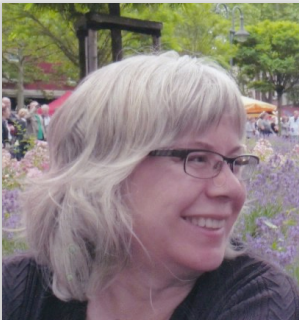 Sukovaty ayaa la wadaagay, "Wax badan oo ka mid ah waxa aan sameyno dhexdhexaadiyayaal ahaan oo si gaar ah muhiim ugu ah dhexdhexaadinta qoyska, waa ka caawinta dadka inay isku dayaan inay caddeeyaan qodob una weecdaan weydiinta su'aal. Laga bilaabo eedda ilaa diiradda la saaro xaqiiqooyinka dhabta ah. Laga bilaabo 'tani waa waxa had iyo jeer dhaca' ilaa 'maxaan si ka duwan u sameyn karnaa mustaqbalka?'" Kuwani waa daqiiqado yar, laakiin waxay muujinayaan in wadahadalku uu isbeddelayo qaabkiisa. Waxa ku bilaabmay dareen rajo la'aan ah iyo niyad jab ayaa ah in diiradda la saaro xallinta dhibaatooyinka labada dhinac.
Isbeddelladaasi badanaa, laakiin had iyo jeer ma keenaan heshiis rasmi ah. Si kastaba ha ahaatee, isbeddelladaasi waxay had iyo jeer macnaheedu tahay inay dhexdhexaadinta ku dhammayn karaan meel ka wanaagsan naftooda iyo qoysaskooda marka loo eego meeshii ay ka bilaabeen. Mararka qaarkood, guusha ugu weyn ee dhexdhexaadinta qoyska ma aha heshiis la saxiixay. Waa cod jilicsan, hakad feker leh inta aad runtii dhegaysanayso, rabitaan ah inaad sheeko la yaqaan ka aragto dhinac cusub ama aad samayso qorshayaal aan rasmi ahayn si aad u sii wada shaqeyso si cusub oo leh isgaarsiin wanaagsan.